Self Drive Tanzania | 4x4 Car Rental for Safari Trips
Yes, you can self-drive in Tanzania, and a growing number of travellers do, especially on the northern safari circuit from Arusha. It is also the East African country where self-drive demands the most homework: licensing, park rules, fee systems, and distances all differ from its neighbors. Car Rental 4×4 provides 4×4 vehicles for self-drive travel across Tanzania, from Arusha to the Serengeti, Ngorongoro, Tarangire, Lake Manyara, Ruaha, and Nyerere, built for travelers who want full control over their route and schedule.
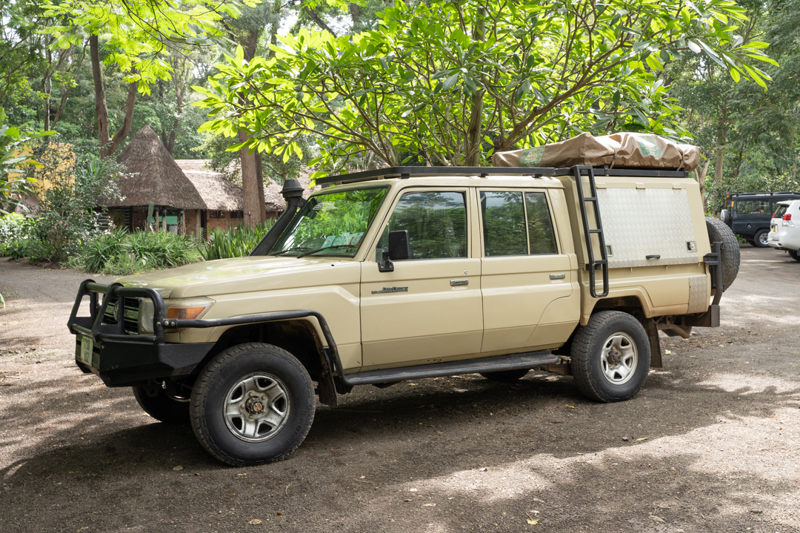 Self-drive car rental in Tanzania means collecting a 4×4 and driving it yourself for the length of your trip, rather than booking a vehicle with a driver-guide. It requires a valid driving license, generally an international driving permit alongside it, and meeting the minimum age and experience set out in the rental agreement. Tanzania drives on the left, and night driving within national parks is restricted under Tanzanian park regulations, so self-drive itineraries are planned around daylight park hours. Self-drive vehicles can reach the Serengeti, Ngorongoro Conservation Area, Tarangire, Lake Manyara, Ruaha, and Nyerere and can be fitted with a rooftop tent, a pop-up roof, or camping equipment for travelers building a self-contained safari road trip. Self-drive rentals can be booked one-way, long-term, or extended across the border into Kenya, subject to advance approval, with standard comprehensive insurance, roadside support, and a security deposit applying to every booking.
Self-Drive Tanzania At A Glance
| You are asking. | The short answer |
| Can tourists self-drive in Tanzania? | Yes. You need a valid license, and Tanzanian authorities may also require a temporary Tanzanian driving license, which we can help you arrange. Traffic drives on the left. |
| Is a 4×4 necessary for self-driving in Tanzania? | For the Serengeti, Ngorongoro Crater, Ruaha, Nyerere, and any wet-season travel, yes. For the paved highway to Tarangire or Lake Manyara in dry weather, a lighter vehicle can manage. |
| Which vehicles do you offer? | Toyota Land Cruiser 78 and 76 Series (pop-up roof), Land Cruiser Prado, Hilux Double Cab, and lighter options on request. |
| Which parks can I drive to with a self-drive rental car in Tanzania? | You can drive to all the main parks, which have varying levels of difficulty. |
| Where do I pick up my self-drive rental car in Tanzania? | Arusha and Kilimanjaro Airport are the natural starting points. Other locations, such as Dar es Salaam, Kogatende airstrip, Seronera Airstrip, Moshi, Sirare border, Tarakea border, and Namanga border, are confirmed at booking. |
| Can I camp with the self-drive rental car in Tanzania? | Yes, in designated campsites only. Camping gear and rooftop tents are available. |
| What does the insurance cover? | The insurance covers head-on collisions and theft, with an excess of USD 1,500 to USD 2,000 depending on the vehicle. Punctures, underbody damage, and water damage are not covered. |
| What is the deposit? | USD 500, refundable at the end of the trip if the vehicle returns without offenses. |
| Can I take the vehicle out of Tanzania? | You can take the vehicle to Kenya, Uganda, and Rwanda, but only with prior arrangement. Tanzania is not a COMESA member, so cross-border cover is confirmed case by case. |
| What if the self-drive rental car in Tanzania breaks down? | You call us at once. We arrange repair and, in a mechanical breakdown, a replacement vehicle, with timings that depend on where you are. |
Can You Self-Drive in Tanzania?
You can, and it is far less exotic than it sounds. Tanzania has a well-developed highway spine, an established park network, and a long tradition of overland travel. What distinguishes it is the layering of authorities: the national roads agency, the traffic police, the Tanzania National Parks Authority (TANAPA), the Ngorongoro Conservation Area Authority (NCAA), and, for some areas, local conservancies each have their own rules. A successful self-drive here is largely a matter of knowing which rule applies where.
Who can rent and drive?
Anyone who holds a valid driving license, meets the minimum age set by our agreement and insurer, can present a passport and can pay the security deposit. Every driver must be named in the agreement and sign it.
Do tourists need a Tanzanian driving license?
This is the question that surprises visitors most. Tanzanian rules require foreign visitors to hold a Tanzanian driving license, which is often obtained as a temporary license through the Tanzania Revenue Authority upon presentation of a valid foreign license. Requirements and procedures change, so we confirm your nationality’s current position at booking and guide you through arranging it, usually at the start of your trip in Arusha. We recommend building the time into your first morning.
Do you need an International Driving Permit?
We recommend one alongside your national license, particularly if your license is not in English. It also helps at checkpoints, where officers appreciate a recognizable document.
What documents should be in the vehicle?
Your passport, your license (and any permit), the signed rental agreement, the vehicle registration and insurance documents we supply, and the receipts for park and conservancy fees. Police checkpoints are frequent, and a folder with everything in it saves time.
What Is Self-Drive Car Rental in Tanzania?
Self-drive car rental means exactly what it sounds like: you collect the vehicle, you hold the keys for the length of your trip, and you make every decision about where to go, when to stop, and how long to stay at a sighting. It is the opposite end of the spectrum from a driver-guided safari, where someone else manages the route and the game drives on your behalf, and it suits travelers who value independence over having logistics handled for them.
Who Self-Drive in Tanzania Suits
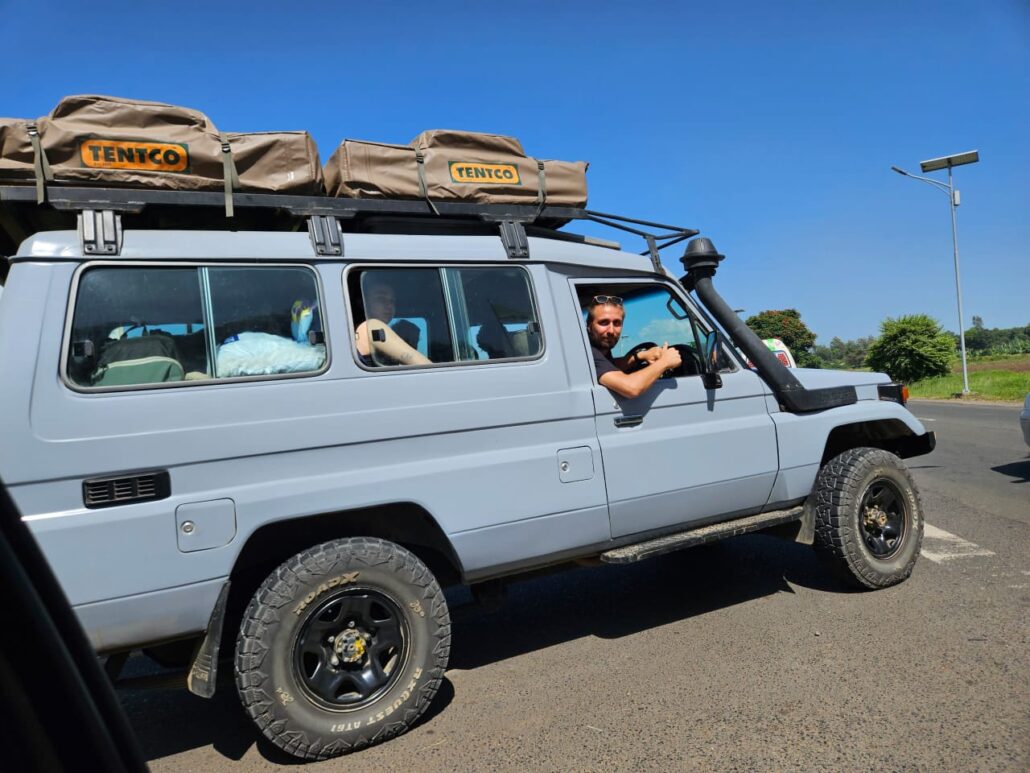 Self-drive in Tanzania suits confident, independent travelers who are comfortable navigating an unfamiliar country, couples and small families who want full control over their daily pace on safari, and returning visitors to East Africa who already know what driving on rougher park roads involves. It is less suited to first-time visitors who want wildlife genuinely explained as they go and to travelers whose itinerary is built around tightly timed multi-park logistics where a driver-guide’s local knowledge of realistic drive times removes a real source of stress.
Driving Requirements for Self-Drive Tanzania
A valid driving license is required for every self-drive booking, generally alongside an international driving permit where your home license is not otherwise recognized locally. You will need to meet the minimum age and driving experience set out in the rental agreement, and a security deposit is required at the start of your rental, which will be refunded at the end of the agreement, subject to the vehicle’s condition. Where more than one person in your group wants to drive, a second driver can be added at no additional charge, since the vehicle itself has already been paid for in full as part of your rental; both drivers should meet the same requirements and be recorded on the rental agreement.
What It’s Like to Drive in Tanzania
Tanzania drives on the left, which is straightforward for travelers arriving from the UK, East Africa, or much of southern Africa and worth a deliberate adjustment period for anyone used to right-hand traffic. Arusha’s own traffic is manageable but busy, mixing dala-dalas, motorbikes, pedestrians, and the occasional herd of livestock, and it is a reasonable place to get comfortable with the vehicle before heading out on longer drives. The main highways that connect Arusha to the northern parks and Dar es Salaam are generally tarmac and in reasonable condition, though they require steady attention due to potholes and speed bumps in towns. Once off the highway, park roads are a different proposition entirely: dusty and corrugated in the dry season and prone to mud and standing water after rain, with the descent into the Ngorongoro Crater and the more remote tracks of Ruaha and Nyerere testing both vehicle and driver. Night driving within national parks is restricted under Tanzanian park regulations, so a self-drive day is planned to end well before dark rather than pushing to reach a camp or gate after the light has gone. Fuel stations are reliable in and around the main towns but thin out considerably on rural stretches, so topping up before a longer leg is standard practice rather than an optional precaution.
Tanzania Self Drive: The Rules That Surprise Visitors
Every country has quirks. These are the quirks that most often catch Tanzanian self-drivers by surprise.
| Rule or reality | What it means for you |
| License formalities | A temporary Tanzanian license may be required in addition to your own. We confirm and help you arrange it. |
| Cashless park payments | TANAPA parks, including the Serengeti, Tarangire, and Lake Manyara, use electronic payment systems. Fees are paid in advance or at the gate by card or by a park payment card, so do not arrive expecting to pay in cash. |
| Two fee systems on the northern circuit | The Serengeti and Tarangire are TANAPA parks. The Ngorongoro Conservation Area has its own authority, its own fees, and its own rules, including crater descent requirements. |
| Strict speed enforcement | Speed cameras and radar are common, particularly on the Arusha to Dar highway and around towns. Limits are posted and vary between 50 and 80 km/h or more, and fines are charged to you. |
| Frequent police checkpoints | Routine and usually brief. Slow down, greet politely, and have your documents ready. |
| Wildlife on the highway at Mikumi | The main Dar es Salaam to Iringa road crosses Mikumi National Park. Animals use the road, and the authorities enforce low speed limits; killing an animal is a serious matter. |
| Designated camping only | In national parks you may camp only in designated campsites. Wild camping is not allowed. |
| Park hours | National parks are generally open from around 6:00am to 6:00pm. You must be through the gate in time and out before closing. Our rental agreement also sets driving hours of 6:00am to 7:00pm. |
| No off-road driving | Stay on designated tracks. Going off track is a breach of park rules and of our agreement. |
| Drones | Restricted. Please ensure you have the correct permit before bringing a drone. |
| Photography | Do not photograph government buildings, military installations, bridges, or airports. |
| Camouflage clothing | Illegal for civilians. Wear neutral safari colors instead. |
| Plastic bags | Plastic carrier bags are banned. Bring reusable bags, and expect to be asked at the airport. |
| Tsetse flies | Common in Tarangire, parts of the Serengeti National Park, and Ruaha. Wear neutral colors and avoid dark blue and black. |
Which Vehicles Are Available for Self-Drive in Tanzania?
The extended Toyota Land Cruiser Safari forms the core of the self-drive fleet, typically configured with forward-facing seating for up to seven travelers and the ground clearance, fuel range, and four-wheel-drive system suited to Tanzania’s park roads. A shorter-wheelbase Land Cruiser LX suits couples and smaller groups wanting the same off-road capability in a more compact vehicle, and the lighter Toyota RAV4 4×4 is available for travelers prioritizing maneuverability and running cost on routes built mainly around main roads and well-maintained park tracks rather than the most remote circuits. A safari minivan is also available but is more commonly booked with a driver-guide than for self-drive in Tanzania.
Toyota Rav4 With Camping Gear Tanzania
Land Cruiser LX With Pop Up Roof Tanzania
Land Cruiser with Rooftop Tent Tanzania
Toyota Land Cruiser GX with Roof Top Tent
Land Cruiser Extended with Pop Up Roof
4x4 Toyota Land Cruiser Double Cab
In Tanzania the vehicle is judged by the Serengeti road, the crater descent, and the last 50 kilometers to Ruaha. We select vehicles with these tests in mind.
Vehicle | Where it excels in Tanzania | Where to be cautious |
Land Cruiser 78 Series (pop-up roof) | Serengeti circuits, Ndutu, Ruaha, long camping trips, and groups | Firm ride on the long tarmac sections; fuel use |
Land Cruiser 76 Series (pop-up roof) | Northern circuit for couples and small groups; Ngorongoro | Less cargo room for large camping loads |
Land Cruiser LX | Arusha to Tarangire and Manyara, Kilimanjaro foothills, comfort-first trips | Not the first choice for deep Serengeti or Ruaha tracks |
Toyota Hilux Double Cab | Gear-heavy and long-term trips, field teams | Open-bed loads must be secured, but this setup is less comfortable for game viewing. |
Lighter vehicle (on request) | Paved highway to Tarangire and Manyara in the dry season | Not suitable for the Serengeti, Ngorongoro Crater, or wet-season travel |
A word on the Ngorongoro Crater: the descent and ascent roads are steep, and a 4×4 is required. On the Serengeti, the long run from the Ngorongoro to the central plains is corrugated and tiring, and a robust 4×4 with excellent tires makes it a pleasure instead of an endurance test. A pop-up roof earns its place on the Serengeti plains, where standing in the open top at dawn is half of what you came for.
Vehicle | Travellers | Luggage | Safari | Rough roads | Camping | Rooftop tent |
Land Cruiser 78 Series | 4 to 6 | High | Excellent | Excellent | Excellent | Yes. |
Land Cruiser 76 Series | 4 to 5 | Medium to high | Excellent | Excellent | Very good | Yes. |
Land Cruiser Prado | 4 to 5 | Medium | Good | Very good | Good | On request |
Toyota Hilux Double Cab | 4 to 5 | High (open bed) | Good | Excellent | Very good | Yes. |
Self Drive or Driver-Guide in Tanzania?
Tanzania is the country where the question is least clear-cut, because some of its best experiences are on foot with licensed guides, regardless of how you arrived. Mount Kilimanjaro and Mount Meru climbs, for example, are always guided. Beyond that, the choice is yours.
If you want to… | Choose |
Choose your own hours and routes. | Self-Drive |
Stand and photograph from a pop-up roof. | Pop-Up Roof |
Camp on the Serengeti plains | Rooftop Tent + Camping Gear |
Never navigate or deal with a gate. | Car + Driver |
Find leopards and track the herds with expert eyes. | Driver-Guide |
Drive in one place and fly or drive out from another. | One-Way Rental |
Spend months in the country. | Long-Term Rental |
Combine Tanzania with Kenya or Uganda. | Cross-Border Rental |
Choose a driver-guide if you are new to safari, travelling in the Migration season when river-crossing sites are crowded, or heading for Ruaha, Nyerere, or the far west, where a breakdown is expensive and a good guide is a safeguard. The daily rate is confirmed in your quotation, and park and conservancy fees are separate.
Where Can You Self-Drive in Tanzania?
Tanzania is large, and it is worth thinking in regions. Below is an honest verdict on each, from the easiest drives to the ones where we strongly advise a guide or do not recommend self-drive at all.
Serengeti National Park
Ngorongoro Conservation Area
Tarangire National Park
Lake Manyara National Park
Mikumi National Park
Ruaha National Park
The Northern Circuit
Destination | Self-drive verdict | Notes |
Arusha | Yes. | Usual starting point. Fuel, supplies, and your license formalities. Close to Arusha National Park. |
Arusha National Park | Yes. | Compact, scenic, and easy: Momella Lakes, Mount Meru views, and walking safaris with rangers. About 35 km from Arusha. |
Yes. | About 120 km from Arusha, on a paved road. Elephants and baobabs are best seen in the dry season. Watch for tsetse flies. | |
Lake Manyara National Park | Yes. | About 125 km from Arusha. Forest, flamingos, and hippos; compact. |
Ngorongoro Conservation Area | Yes, with care. | A 4×4 is required for the crater. Separate NCAA fees and rules, including a crater descent permit if you plan to explore the crater floor. |
Serengeti National Park | Yes, with planning | Expect a long gravel approach from Ngorongoro, limited fuel availability inside the park, and cashless fees. Rewarding and demanding. |
Ndutu area (southern Serengeti) | Yes, seasonally. | Calving season is roughly January to March. Black cotton soil makes wet-season travel difficult. |
Lake Eyasi and Lake Natron | Only with expert advice | Very rough 4×4 tracks beyond the highway. A driver guide is advisable. |
Kilimanjaro, Moshi, and the Northeast
Destination | Self-drive verdict | Notes |
Moshi and Kilimanjaro foothills | Yes. | It is about 80 km from Arusha, along a paved road. Waterfalls, coffee farms, and the mountain’s lower slopes. Climbing is on foot with licensed guides. |
Mkomazi National Park | Yes, with a 4×4 | This quiet park, located near Same, is dedicated to the conservation of black rhinos and wild dogs. |
Usambara Mountains (Lushoto) | Yes. | A cool, green, winding mountain drive; allow extra time on steep roads. |
Pangani and Tanga coast | Yes. | Beaches and old coastal towns can be reached from the main highway. |
Dar es Salaam, the South and the Coast
Destination | Self-drive verdict | Notes |
Dar es Salaam | Yes, with patience. | Expect heavy traffic, unpredictable minibuses (daladalas), and motorcycles. Avoid peak hours. |
Bagamoyo | Yes. | About 65 km north of Dar. Historic coastal town. |
Saadani National Park | Yes, with a 4×4 | The coastal park where the savannah meets the sea. Tracks worsen in the rains. |
Mikumi National Park | Yes. | It is about 280 km from Dar on the main highway to Iringa. You can see wildlife from the road. |
Udzungwa Mountains National Park | Yes. | Forest hiking base near Mikumi; trails are on foot. |
Ruaha National Park | Yes, strongly advise 4×4 and experience. | Remote, via Iringa. Expect long distances, rough tracks, and no fuel available. A guide is a sensible safeguard. |
Nyerere National Park (Selous) | With expert planning | Remote, with rough seasonal access from Dar; many travelers fly. Confirm road conditions and rules first. |
Lake Victoria and the West
Destination | Self-drive verdict | Notes |
Mwanza and the western Serengeti approach | Yes, with planning | The distances from Arusha are very long. The western gates offer a different experience of the Serengeti. |
Katavi, Mahale, and Gombe | Not recommended | Extremely remote, with limited road access and lake or air transfers. Plan with a specialist. |
Zanzibar and the islands | Not applicable | Rental vehicles do not cross to the islands. |
Serengeti Self-Drive: A Season-by-Season Guide
The Serengeti is not one place but a calendar. The herds move in a vast clockwise loop, and where you point the vehicle should depend on when you travel. Treat the dates as a guide; the animals follow the rain and not the almanac.
Time of year | Where the action is | Self-drive notes |
January to March | Calving on the southern plains and the Ndutu area | Ndutu tracks can be deep black cotton soil after rain. A strong 4×4 is essential. |
April to June | Herds moving north through the central Serengeti and the Western Corridor | The long rains make some tracks impassable; some lodges and camps close. |
June to July | Grumeti River crossings in the west | Quieter than the north; road conditions vary. |
July to October | Northern Serengeti, Mara River crossings | Very long drive to Kogatende; crossing points are crowded. Book accommodation well ahead. |
November to December | Herds returning south with the short rains | Green, quiet, and good value; some tracks are muddy. |
Whatever the season, the Serengeti rewards patience and an early start. Seronera, the central hub, is a reliable base for big cats. Fuel inside the park is limited, so arrive with a full tank and the range to leave again. Distances are deceptive: a short line on the map can be several hours of corrugated track.
Park rules for the Serengeti and other TANAPA parks
Rule | What to do |
Speed | Park speed limits are set by TANAPA and are enforced. Our agreement applies its penalty for overspeeding in parks. |
Tracks | Stay on designated tracks. Going off track carries a penalty under our agreement. |
Wildlife | Give animals the right of way and keep at least 100 meters from elephants, lions, and other dangerous animals. |
Roof | Stand inside the raised pop-up roof; never sit on top of the vehicle. |
Gates | Be through the gate before it closes, and be at your campsite or lodge before dusk. |
Payment | Pay entry and vehicle fees in advance or at the gate through TANAPA’s electronic systems. |
Self Drive Tanzania for the Great Wildebeest Migration
Every year, well over a million wildebeest, accompanied by zebra and gazelle, travel a vast circular route between the Serengeti and the masai mara in search of fresh grazing. It is not a single event but a continuous movement driven by rain, and no one can promise where the herds will be on a given day. That uncertainty is precisely why self-drive suits it: you can follow the news from the park, change your plan, and be where the herds are, instead of being tied to a fixed route.
Where the Herds Are, and How to Reach Them
Period | Where the herds usually are | Self-drive route and notes |
December to March | Southern plains and the Ndutu area, with calving from roughly late January to March | From Karatu through Ngorongoro Conservation Area. Ndutu lies in the NCA, so NCAA fees apply, and black cotton soil can be deep after rain. |
April to June | Moving north through the central Serengeti towards the Western Corridor | Base at Seronera. Long rains can make tracks impassable and some camps close. |
May to July | Western Corridor and the Grumeti River crossings | Western approach from Mwanza or a long drive from Seronera. The western approach is quieter than the north, but road conditions can be variable. |
July to October | Northern Serengeti and the Mara River crossings near Kogatende | A very long drive north from Seronera on gravel. Crossings are dramatic and crowded; book accommodation early. |
November to December | Herds returning south with the short rains | Green, quiet, and excellent value. Some tracks are muddy. |
Treat these windows as a guide, not a guarantee. The herds follow the rain, which varies year to year, so check recent sightings with park rangers and your camp before committing to a long drive north.
Self-Drive Rules at River Crossings and Migration Sightings
Topic | Rule or etiquette |
Speed | Keep to the posted park limit and slow right down near herds. Our agreement penalizes overspeeding in parks. |
Tracks | Stay on designated tracks. Driving off track to approach a crossing or a herd is a breach of park rules and of our agreement. |
Wildlife | Give animals the right of way and keep at least 100 meters from elephants, lions, and other dangerous animals. Never drive through or split a herd. |
River crossings | Park in an existing line at the viewpoint, do not block other vehicles or the herds’ approach, and switch off your engine. Crossings can take hours or may not happen at all. |
Roof | Stand inside the raised pop-up roof; never sit on top of the vehicle. |
Gates | Be through the gate before it closes and out before dusk. The northern Serengeti is a long way from any gate. |
Payment | Pay entry and vehicle fees in advance or at the gate through TANAPA’s electronic systems. Ndutu and the southern plains fall under NCAA fees. |
Where to Stay During the Migration
Move your base with the herds: Karatu or the Ndutu area in the calving season, Seronera in the central months, Grumeti or Ikoma on the western side, and Kogatende in the north for the Mara River. Lodges, tented camps, and public and special campsites are available in each area, and all of them sell out well ahead for the northern crossings from July to October.
Vehicle Choice for the Migration
A Land Cruiser 78 or 76 Series with a pop-up roof is the natural choice. The plains are corrugated, the black cotton soil is treacherous after rain, and the distances are long, so good tires and recovery gear are not optional. A lighter vehicle is not suitable.
What Time Should You Arrive for the Migration?
Be at the gate when it opens, since early light is the best time for the herds and the predators that follow them. For the northern crossings, arrive at your camp the evening before and be in position at the viewpoint soon after dawn. Plan to be inside a camp or lodge before dusk, within our 6:00am to 7:00pm driving hours.
Parking and Local Transport During the Migration
At river crossings, park only in the designated viewing areas and leave room for other vehicles. Rangers may direct you, and you should follow their instructions. At camps, park in the allotted area, keep food secure, and keep valuables out of sight. Fuel is limited inside the park, so arrive with a full tank and the range to leave.
Ngorongoro Crater Self Drive: The Rules
The Ngorongoro Crater is the world’s largest intact volcanic caldera, around 600 meters deep and holding one of Africa’s densest concentrations of wildlife on its floor. It sits inside the Ngorongoro Conservation Area, managed by the NCAA, which sets its own rules, fees, and time limits.
Is Self-Drive Allowed in the Ngorongoro Crater?
Yes, you can self-drive in a suitable 4×4, but you must follow NCAA rules, which may include a guide requirement or other conditions for self-drive vehicles on the crater floor including: Mandatory Park Ranger, Pre-Arranged Permits, General Entry Fees, 4×4 High-Clearance Only, Mandatory Safety Equipment. We will confirm the current position with you when you book and recommend a driver guide if you would like to avoid any uncertainty.
Topic | Rule or what to expect |
Speed | A strict limit applies on the crater rim and floor, lower than on public roads, and it is posted. Our agreement also penalizes overspeeding in parks. Drive slowly: the descent roads are steep, and dust and animals are everywhere. |
Tracks | Stay on the marked tracks. Off-track driving on the crater floor is prohibited and carries a penalty under our agreement. |
Wildlife | Animals have the right of way. Keep at least 100 meters from dangerous animals such as lions, elephants, and buffalo, and do not crowd rhinos. Do not feed animals or leave the vehicle except at the designated picnic site. |
Roof | Stand inside the raised pop-up roof; never sit on top of the vehicle, which attracts a USD 100 penalty under our agreement. |
Gates and one-way roads | The crater is entered through the NCA gate and reached by one-way descent and ascent roads (the Seneto and Lemala roads down and the Lerai road up). Gates open at dawn, and there is a time limit on the crater floor, commonly around six hours, with all vehicles out before closing in the evening. |
Vehicle | A 4×4 is required for the descent and ascent. Two-wheel-drive vehicles are not permitted. |
Payment | NCAA charges are separate from TANAPA fees: concession or conservation fees for each person, plus vehicle charges and a crater service fee for each descent. Payment is made through NCAA’s electronic systems, so do not rely on cash. |
Where to Stay Before Driving the Ngorongoro Crater
Sleep on the crater rim or in Karatu, about 30 to 40 minutes below it, so that you can be at the gate when it opens. Options include lodges on the rim, a public campsite on the rim with spectacular views, and a wide range of lodges, guesthouses, and campsites in Karatu, which is also the last major fuel stop.
Vehicle Choice for the Ngorongoro Crater
A Land Cruiser 76 or 78 Series, ideally with a pop-up roof, handles the steep descent roads and the crater floor well. A Prado is also capable, but the pop-up roof is a real advantage for photography.
What Time Should You Arrive at the Ngorongoro Crater?
Descend as early as the gate permits. The early hours give the best light, the most active animals, and the shortest queues, and the time limit on the floor makes a late start costly. Plan the ascent so that you are comfortably out before closing time.
Parking and Local Transport at the Ngorongoro Crater
On the crater floor, you must remain in the vehicle except at the designated picnic site, usually near the Ngoitokitok springs, where you may use the toilets and eat. Park only in the marked areas at the rim viewpoints and the picnic site, and never leave valuables in view. Hungry kites snatch food from open vehicles and hands, so eat inside or at the designated area.
Lake Manyara National Park Self Drive
Lake Manyara is a compact park of contrasts: groundwater forest, an alkaline lake with seasonal flamingos, hippo pools, baboons, and a famous population of tree-climbing lions. It is one of the easiest self-drives in Tanzania, about two hours from Arusha on a paved road, and a natural first or last stop on the northern circuit.
Topic | Rule or advice |
Self-drive access | Yes. Enter at the gate near Mto wa Mbu and follow the park tracks. |
Speed | Keep to the posted TANAPA limit, commonly around 50 km/h, and slower in the forest where baboons and elephants cross. |
Tracks | Stay on designated tracks; the forest and lakeshore tracks are narrow. |
Wildlife | Give elephants, buffalo, and the baboon troops the right of way and keep at least 100 meters from dangerous animals. Do not feed baboons. |
Roof | Stand inside the raised pop-up roof; never sit on top of the vehicle. Mind low branches in the forest before raising the roof. |
Gates | Be through the gate before it closes and out before dusk. The park is small, so a half day is enough. |
Payment | TANAPA entry and vehicle fees can be paid electronically in advance or at the gate. |
Where to stay | Lodges and campsites in Mto wa Mbu, along the escarpment and near Karatu. The lakeside setting suits a night before or after Ngorongoro. |
Vehicle choice | A Prado or Land Cruiser is ideal. A lighter vehicle can manage in the dry season. |
What time to arrive? | Arrive when the gate opens for the best forest and lakeshore game viewing. Afternoon light on the lake is also lovely. |
Parking and local transport | You can park at the gate, at the picnic sites, and at the designated viewpoints. Walking trails and the canopy walkway are done with rangers; ask at the gate about current availability. |
Tarangire National Park Self Drive
Tarangire National Park is the park of elephants and baobabs. In the dry season, from roughly June to October, large herds of elephants, wildebeest, zebras, and buffalo gather along the Tarangire River, and the landscape is dotted with ancient baobab trees. It is about two hours from Arusha on a paved road, which makes it a particularly enjoyable self-drive for first-timers.
Topic | Rule or advice |
Self-drive access | Yes. Enter at the main gate and use the park tracks, which are well signposted around the river loops. |
Speed | Keep to the posted TANAPA limit, commonly around 50 km/h, and slow near elephants. |
Tracks | Stay on designated tracks. In the dry season the river tracks are busy; do not cut across to get closer. |
Wildlife | Give elephants and buffalo right of way, never come between a mother and her calf, and keep at least 100 metres from dangerous animals. |
Roof | Stand inside the raised pop-up roof; never sit on top of the vehicle. |
Gates | Be through the gate before it closes and out before dusk. Distances inside the park are significant, so plan your loop in advance. |
Payment | TANAPA entry and vehicle fees, paid electronically in advance or at the gate. |
Where to stay | Lodges and campsites inside and around the park, and in Karatu or Mto wa Mbu. Public campsites inside the park book up in the dry season. |
Vehicle choice | A Prado or Land Cruiser is ideal. A 4×4 is advised, especially in the wet when tracks soften. |
What time to arrive | Arrive when the gate opens. The animals concentrate along the river early and in the late afternoon, and midday is quiet. |
Parking and local transport | Park only at the gate, the picnic sites and designated viewpoints. Watch for tsetse flies, wear neutral colours, and keep windows up near the flies. Guided walks and night drives are arranged only through authorised operators. |
Self Drive Tanzania for Every Other National Park
The same six questions apply in every park: speed, tracks, wildlife, roof, gates, and payment. Rules are set by the managing authority and posted at each gate. The general position is to obey the posted speed limit (commonly around 50 km/h in TANAPA parks), stay on designated tracks, give wildlife the right of way and keep at least 100 meters from dangerous animals, stand inside the pop-up roof and never sit on top, be through the gate before it closes and out before dusk, and pay through the electronic systems. The tables below show what is different in each.
Arusha National Park Self-Drive
Arusha National Park is a compact park near the city, with Momella Lakes, the Ngurdoto Crater, colobus monkeys, and Mount Meru rising behind. It is the easiest park in the country to self-drive.
Topic | Advice |
Self-drive access | Yes. The gate is about 35 km from Arusha, along a paved road. |
Rules | The posted TANAPA speed limit is 50 km/h, and you should stay on the tracks. Wildlife has the right of way, so be cautious of buffalo and giraffe, which are common. Always stand inside the vehicle, keep the gates closed, and be aware of dusk. Electronic payment is accepted. |
Where to stay | Lodges and campsites around the park and in Arusha. |
Vehicle choice | Any capable vehicle; a Prado is ideal. |
What time to arrive? | Arrive in the morning for clear Meru views. A half to full day is enough. |
Parking and local transport | Park at the gate and viewpoints. Walking safaris and canoeing are with rangers. Mount Meru climbs are guided and on foot. |
Mikumi National Park Self Drive
Mikumi Natinal Park is the savannah park on the highway between Dar es Salaam and Iringa, with elephants, giraffes, buffalo, lions, and hippos. The main road crosses it, so wildlife is visible even in transit.
Topic | Advice |
Self-drive access | Yes. Game drives start from the main highway at the park gate, and the highway itself is a speed-controlled zone. |
Rules | The TANAPA speed limit is posted inside the park, and a low, strictly enforced limit applies to the highway section. Wildlife has the right of way; killing an animal is a serious offense. Stand inside the roof, observe gate times, and pay electronically. |
Where to stay | Lodges and campsites are available inside and around the park, as well as in Morogoro. |
Vehicle choice | A Prado or Land Cruiser; 4×4 for the park tracks in the wet. |
What time to arrive? | It takes about four to five hours to drive from Dar. Leave early to arrive for an afternoon game drive. |
Parking and local transport | Park at the gate and picnic sites. Watch for animals and speed cameras on the highway. |
Ruaha National Park Self Drive
Ruaha is Tanzania’s largest park, a wild landscape of baobabs, rocky hills, and the Great Ruaha River, with elephants, lions, kudu, and wild dogs. It is remote, and a strong 4×4 and experience are essential.
Topic | Advice |
Self-drive access | Yes, you can self-drive with a strong 4×4 and careful planning. A guide is a sensible safeguard. |
Rules | Follow the posted TANAPA speed limit, stay on the tracks, give wildlife the right of way, stand inside the roof, observe gate times, and use electronic payment. |
Where to stay | Lodges and campsites inside the park and in Iringa the night before. |
Vehicle choice | Choose either a Land Cruiser 78 Series, a Land Cruiser 76 Series, or a Hilux. Carry recovery gear, spare range, and a second spare wheel if possible. |
What time to arrive? | The distance from Iringa to the gate is about 120 km on rough gravel. Leave early to arrive well before dusk. |
Parking and local transport | Park at the gate and designated areas. There is no fuel inside, so fill fully at Iringa and plan your range. |
Nyerere National Park (Selous) Self-Drive
Nyerere, formerly the Selous, is a vast wilderness of rivers, lakes, and miombo woodland. Many travelers fly in, and access by road is long and seasonal.
Topic | Advice |
Self-drive access | With expert planning only. Please confirm road conditions, entry points, and park rules with us and the park before committing. |
Rules | Follow the posted TANAPA speed limit, stay on the tracks, give wildlife the right of way, stand inside the roof, observe gate times, and use electronic payment. Boat and walking safaris are with authorized guides. |
Where to stay | Lodges and campsites in and around the park, which close or become difficult in the long rains. |
Vehicle choice | A strong 4×4 with recovery equipment and spare range. A driver guide is advisable. |
What time to arrive at Nyerere National Park? | Allow a full day from Dar es Salaam and arrive before dusk. |
Parking and local transport | Park at your camp or lodge. Boat trips and walking safaris start from there. |
Saadani National Park Self Drive
Saadani is where the savannah meets the Indian Ocean, with the chance of seeing giraffes, buffalo, and warthogs near the beach. It is the closest park to Dar es Salaam.
Topic | Advice |
Self-drive access | Yes, with a 4×4. The tracks become worse in the rains. |
Rules | Follow the posted TANAPA speed limit, stay on the tracks, give wildlife the right of way, stand inside the roof, observe gate times, and use electronic payment. |
Where to stay | Beach lodges and campsites inside and near the park. |
Vehicle choice | A Prado or Land Cruiser with decent tires. |
What time to arrive? | Allow most of a day to get from Dar. Arrive before dusk. |
Parking and local transport | Park at your lodge or the gate. Boat trips on the Wami River are arranged on site. |
Mkomazi National Park Self Drive
Mkomazi is a quiet park near Same, known for its black rhino and African wild dog conservation work.
Topic | Advice |
Self-drive access | Yes, with a 4×4. |
Rules | Follow the posted TANAPA speed limit, stay on the tracks, give wildlife the right of way, stand inside the roof, observe gate times, and use electronic payment. |
Where to stay | Lodges and campsites are available near the park and in Same. |
Vehicle choice | A Land Cruiser or Prado with a 4×4. |
What time to arrive? | Arrive in the morning for the best wildlife viewing. |
Parking and local transport | Park at the gate and designated areas. Check which sectors are open to visitors. |
Udzungwa Mountains National Park Self Drive
Udzungwa is a forest park of waterfalls, endemic primates, and hiking trails, close to Mikumi.
Topic | Advice |
Self-drive access | Yes, to the gate and visitor area. Activities are on foot with rangers. |
Rules | Stay on trails, follow rangers’ instructions, observe wildlife distances, and pay electronically. |
Where to stay | Lodges and campsites near the gate and in Mikumi. |
Vehicle choice | A Prado or Land Cruiser; roads soften in the rains. |
What time to arrive? | Arrive early for the Sanje Waterfall hike and other trails. |
Parking and local transport | Park at the gate while you hike. Do not leave valuables in view. |
Kilimanjaro National Park Self-Drive
Kilimanjaro is Africa’s highest mountain, and its national park is a hiking destination, not a game-viewing one.
Topic | Advice |
Self-drive access | Drive to the gates, such as Marangu and Machame, but climbs are on foot with licensed guides and porters. |
Rules | Climbs require a registered operator. Park rules and fees are set by TANAPA and paid electronically. |
Where to stay | Lodges and guesthouses in Moshi and near the gates. |
Vehicle choice | Any capable vehicle will do, but a Prado is the most comfortable option. |
What time to arrive? | Arrive the day before your climb for briefings and gear checks. |
Parking and local transport | Leave your vehicle at your hotel or the gate for the climb, as agreed with your operator. |
Katavi, Mahale, and Gombe
These three remote western parks are extraordinary but are not suitable for self-driving. Access is by long, difficult roads, air charter, or lake boat.
Topic | Advice |
Self-drive access | Not recommended. Plan with a specialist operator. |
Rules | TANAPA sets park rules that apply to all visitors. |
Where to stay | Remote lodges and camps must be arranged in advance. |
Vehicle choice | Not applicable. |
What time to arrive? | As arranged with your operator. |
Parking and local transport | Air and boat transfers are used instead. |
Tanzania Road Conditions by Corridor
Corridor | What to expect |
Arusha to Moshi and Kilimanjaro Airport | Paved, busy. Speed enforcement. Roadside markets. |
Arusha to Tarangire and Lake Manyara | Paved to the park turnoffs. Trucks and buses; speed bumps in villages. |
Mto wa Mbu to Karatu and Ngorongoro | Paved climb to the highlands, with bends and heavy tourist traffic. Fuel at Karatu. |
Ngorongoro to the Serengeti | The road is gravel and corrugated, with long stretches of rough surface and dust. Slower than the map suggests. |
Serengeti tracks | Gravel and earth. Black cotton soil on the plains is treacherous after rain. |
Arusha to Dar es Salaam (A104 and the Chalinze road) | Paved, long and busy, with speed cameras and heavy trucks. Plan a full day. |
Dar es Salaam to Morogoro, Mikumi, and Iringa | The road is paved, with heavy trucks and animal crossings at Mikumi, and it winds through the Kitonga Gorge near Iringa. |
Iringa to Ruaha | Paved to the turn-off, then rough gravel to the gate. No fuel inside. |
Dar es Salaam to Bagamoyo and Saadani | Paved to Bagamoyo, then rougher tracks to Saadani; worse in the rainy season. |
Tanzania has two rainy seasons: the long rains from roughly March to May and the short rains around November to December. During the long rains, black cotton soil, flooded river crossings, and washed-out tracks can close roads altogether, and some camps close for the season. If you travel then, take a 4×4, allow generous time, and check conditions daily.
Is Self Drive in Tanzania Safe?
Yes, self-drive in Tanzania is safe, but no journey is risk-free, and we will not pretend otherwise. What we can do is name the risks and show how experienced travelers manage them.
Risk | How to manage it |
Long distances and fatigue | Tanzania is big. Limit driving days, take breaks, and build in rest days. |
Heavy trucks and overtaking | Highways carry slow, heavy traffic. Overtake only when you have clear sight, and expect oncoming vehicles in your lane. |
Speed enforcement | Obey posted limits. Fines are charged to you. |
Remote tracks | Tell us your route. Carry water, food, a tire kit, and a charged phone. |
Wildlife | Give animals the right of way. Never leave the vehicle except at designated points. |
Weather | Rain turns tracks to mud within hours. Check forecasts and be prepared to wait. |
Night driving | Avoid it. Unlit vehicles, pedestrians, and animals are difficult to see. Our driving hours are 6:00am to 7:00pm. |
Security | Do not leave valuables visible. Park in lots in towns, keep doors locked in traffic, and avoid carrying large amounts of cash. |
Communication | Mobile coverage is good on highways and patchy in parks. Download offline maps and keep our number saved. |
Emergency | Keep our emergency number and Tanzania’s emergency number (112) available offline. |
Best Tanzania Self Drive Routes
Arusha to Tarangire and Lake Manyara
Detail | Information |
Distance and time | Tarangire about 120 km (2 hrs); Manyara about 125 km (2 hrs). |
Road type | Paved to the gates; park tracks. |
Vehicle | Prado, Land Cruiser; lighter vehicles in the dry season. |
Highlights | Elephants and baobabs, flamingos, hippos, and forests. |
Overnight | Lodges and campsites are located near the gates at Mto wa Mbu. |
Fuel | Fill at Arusha or Makuyuni. |
Watch for | Tsetse flies; gate closing time. |
Arusha to Ngorongoro and the Serengeti
Detail | Information |
Distance and time | Ngorongoro rim is about 180 km (3 to 4 hrs); Seronera is about 335 km (7 to 8 hrs, including the gravel). |
Road type | The road to Ngorongoro is paved, while the road to the Serengeti is gravel and corrugated. |
Vehicle | Land Cruiser 78 or 76 Series. 4×4 required. |
Highlights | Crater floor, plains, big cats, the Migration. |
Overnight | Crater rim campsites and lodges; Serengeti campsites and lodges. |
Fuel | Fill fully at Karatu; limited fuel at Seronera. |
Watch for | Separate NCAA and TANAPA fees; cashless payment; rain. |
Arusha to Moshi and Kilimanjaro
Detail | Information |
Distance and time | About 80 km (1.5 hrs); Kilimanjaro Airport is on the way. |
Road type | Paved. |
Vehicle | Any capable vehicle. |
Highlights | Mountain views, coffee farms, and waterfalls. |
Overnight | Moshi and the lower slopes. |
Fuel | Plentiful. |
Watch for | Climbs are on foot with licensed guides, not by vehicle. |
Dar es Salaam to Mikumi and Ruaha
Detail | Information |
Distance and time | Mikumi is about 280 km (4 to 5 hrs); Iringa is about 500 km; and Ruaha Gate is about 120 km further. |
Road type | Paved to Iringa; rough gravel to Ruaha. |
Vehicle | Land Cruiser or Hilux. 4×4 strongly advised for Ruaha. |
Highlights | Mikumi plains, Udzungwa forests, and Ruaha’s elephants and predators. |
Overnight | Mikumi, Iringa, and Ruaha lodges and campsites. |
Fuel | Fill at Iringa; none inside Ruaha. |
Watch for | Animals on the highway at Mikumi: the Kitonga Gorge descent. |
Dar es Salaam to Bagamoyo, Saadani, and Pangani
Detail | Information |
Distance and time | Bagamoyo is about 65 km; Saadani and Pangani are further north. |
Road type | Paved to Bagamoyo; tracks beyond. |
Vehicle | Prado or Land Cruiser. |
Highlights | Historic towns, beaches, and coastal savannahs. |
Overnight | Beach lodges and campsites. |
Fuel | Fill at Dar es Salaam or Bagamoyo. |
Watch for | Humidity, rain, and sandy tracks. |
Arusha to Nairobi (cross-border)
Detail | Information |
Distance and time | About 270 km via Namanga (about 5 to 6 hrs including the border). |
Road type | Paved. |
Vehicle | Any vehicle with cross-border permission. |
Highlights | Amboseli, Mount Kilimanjaro views, Nairobi. |
Overnight | Namanga, Amboseli area. |
Fuel | Fill at Arusha; fuel is plentiful along the route. |
Watch for | Border formalities, authorization, and insurance are arranged in advance. |
Best Tanzania Self Drive Itineraries and Roadtrip Packages.
4-Day Northern Highlights
Vehicle: Prado or Land Cruiser. Return: Arusha or Kilimanjaro Airport.
Day | Drive | Sleep | Notes |
Day 1 | Arusha to Tarangire (about 2 hrs) | Tarangire | Elephants and baobabs; afternoon game drive. |
Day 2 | Tarangire to Lake Manyara and Karatu | Karatu | Fuel at Karatu. |
Day 3 | Karatu to Ngorongoro Crater and back | Crater rim or Karatu | 4×4 descent; plan exit before closing. |
Day 4 | Karatu to Arusha (about 3 hrs) | Return vehicle | Early start for flights. |
6-Day Serengeti Self Drive
Vehicle: Land Cruiser 78 or 76 Series. Camping optional. Return: Arusha.
Day | Drive | Sleep | Notes |
Day 1 | Arusha to Karatu (about 2.5 hrs) | Karatu | Fuel and supplies. |
Day 2 | Karatu to Ngorongoro Crater, then rim | Crater rim | Descend early. |
Day 3 | Ngorongoro to Seronera (about 4 to 5 hrs) | Seronera | Corrugated gravel; arrive before dusk. |
Day 4 | Serengeti game drives | Seronera | Dawn start for big cats. |
Day 5 | Seronera to Karatu (about 5 hrs) | Karatu | Fill fuel before leaving the park. |
Day 6 | Karatu to Arusha | Return vehicle | Allow time for traffic. |
9-Day Northern Circuit with Kilimanjaro
Vehicle: Land Cruiser 76 Series. Camping optional. Return: Kilimanjaro Airport.
Day | Drive | Sleep | Notes |
Day 1 | Arusha: licence formalities and Arusha National Park | Arusha | Settle in; confirm any permit. |
Day 2 | Arusha to Tarangire | Tarangire | Dry-season highlight. |
Day 3 | Tarangire to Lake Manyara | Karatu | Short drive. |
Day 4 | Ngorongoro Crater | Crater rim | 4×4 descent. |
Day 5 | To the Serengeti | Seronera | Long gravel drive. |
Day 6 | Serengeti game drives | Seronera | Dawn start. |
Day 7 | Seronera to Karatu | Karatu | Fuel. |
Day 8 | Karatu to Moshi | Moshi | Coffee farms and waterfalls. |
Day 9 | Moshi to Kilimanjaro Airport | Return vehicle | Easy final drive. |
14-Day Tanzania and Kenya
Vehicle: Land Cruiser 78 Series. Camping optional. Return: Nairobi (one-way, cross-border arranged in advance).
Day | Drive | Sleep | Notes |
Days 1 to 3 | Arusha, Tarangire and Lake Manyara | Tarangire, Karatu | Build in licence formalities. |
Days 4 to 5 | Ngorongoro and the Serengeti plains | Crater rim, Seronera | Long gravel drive. |
Days 6 to 7 | Serengeti game drives | Seronera | Season determines the best area. |
Days 8 to 9 | Karatu to Moshi and Kilimanjaro foothills | Moshi | Rest days. |
Day 10 | Moshi to Namanga and Amboseli | Amboseli | Cross-border; COMESA and authorisation arranged. |
Days 11 to 12 | Amboseli | Amboseli | Elephants beneath Kilimanjaro. |
Days 13 to 14 | Amboseli to Nairobi | Return vehicle at Nairobi | One-way fee applies. |
24 Days Tanzania Self Drive Safari
22 Days Tanzania Self Drive Safari
10 Days Tanzania Self Drive Safari
7 days Tanzania Self drive Safari
11 Days Tanzania Self Drive Safari
8 Days Tanzania Safari With Private Driver
How Much Does Self Drive Cost in Tanzania?
Self-drive pricing depends on the vehicle, rental duration, season, and any camping equipment, rooftop tent, or pop-up roof added, as well as what you choose to add. The structure below shows every element.
Cost element | How it works |
Daily, weekly, and monthly rental | Quoted for your vehicle and dates. Longer rentals are priced more favorably per day. Peak demand typically runs June to October and December to January. |
Security deposit | USD 500, refundable at the end of the trip if the vehicle returns without offenses. |
Insurance | Basic cover for head-on collision and theft is included, with an excess of USD 1,500 to USD 2,000 depending on the vehicle. |
Fuel and oil | Paid by you. Vehicles are supplied on a quarter-to-quarter basis, with no credit for unused fuel. |
Camping gear and rooftop tent | Optional extras are available, priced as a package or per item. |
Driver-guide | Optional. Daily rate confirmed in your quotation. |
TANAPA and NCAA fees | Paid by you separately for people and for the vehicle. Ngorongoro and the Serengeti have different authorities. |
Campsite fees | Vary by site; paid directly or through the park system. |
Temporary Tanzanian license | Where required, you must pay a small government fee. |
One-way fee | Where applicable, depending on route. |
Cross-border charges | Where applicable, including cross-border insurance and a driver abroad at USD 50 per day if required. |
Payment | Cash on arrival or bank transfer to our USD account. The visa is accepted with a 4% surcharge, paid 7 days before the rental starts. |
After the rental | Extra days, late return, damage, traffic fines, tolls, and border fines are payable at the end. |
What You Need to Rent a Car in Tanzania For Self Drive
Requirement | Details |
Passport | Valid for the whole trip. |
Driving license | A valid national license, plus a temporary Tanzanian license where required. |
International Driving Permit | Recommended. |
Minimum age | Set by the rental agreement and insurer. Confirmed at booking. |
Deposit | USD 500, refundable. |
Rental agreement | Signed at pickup by the primary driver and any additional driver. |
Additional driver | Only named drivers may drive. |
Personal insurance | Our policy does not include personal life insurance. Bring your own life and travel cover. |
Shortening or extending | No refund for a shortened rental. Extensions are allowed only with mutual consent and payment. |
Insurance and Excess for Self-Drive Tanzania
Our rental fleet has licensed insurers, and the owner warrants valid third-party insurance as required by law. The cover for the vehicle itself is specific: head-on collision and theft only. We would rather say so plainly than let you find out on a track in the Serengeti.
Topic | Position |
Excess | Land Cruiser Prado TZ and TX: USD 1,500. Land Cruisers and luxury jeeps: USD 2,000. The excess for the Hilux is confirmed at booking. |
Not covered | Punctures and wheels, underbody damage, water damage and deep-water crossings, negligence (including drink-driving), cigarette burns, radio covers and badges, and fuel from non-approved stations are not covered. |
Single-vehicle accident or rollover | USD 1,000 plus any uncovered excess. |
Careless driving or deep-water engine damage | USD 1,500 on a Toyota Land Cruiser. |
Driving outside 6:00am to 7:00pm without consent | All damages plus a USD 1,200 fine. |
Rooftop tent and camping gear | The replacement cost is USD 1,200 or the actual cost, whichever is higher. |
Accident procedure | Notify the police and us immediately, give a statement, and do not arrange repairs without our authority. |
Fuel, Mileage, and Range in Tanzania
Fuel is at your expense. Vehicles are supplied on a quarter-to-quarter basis, so no credit is given for unused fuel. Mileage terms are stated in your quotation, and the fuel type and consumption of each vehicle are confirmed at handover. The list of approved fuel stations is confirmed at handover; fuel from non-approved stations that damages the engine is not covered.
Fuel point | Advice |
Arusha | Fill fully before heading to the parks. |
Karatu | The last major fuel stop before Ngorongoro and the Serengeti. Fill fully. |
Seronera (Serengeti) | Limited fuel. Do not rely on it; arrive with a full tank and the range to leave. |
Moshi and the highway towns | Plentiful. |
Iringa | Fill fully before Ruaha; there is no fuel inside the park. |
Dar es Salaam | Plentiful, with heavy queues at peak times. |
Navigation, SIM Cards, and Communication
Download offline maps for your whole route before you leave coverage, and carry a paper map as a backup. Tanzania’s major mobile networks cover towns and highways well but are patchy in parks and remote areas. SIM registration requires your passport, so buy your SIM at an official shop in Arusha or at the airport. Carry a vehicle charger and a power bank, and keep our emergency number and Tanzania’s emergency number (112) saved offline and written down.
What Happens If Your Rental Car Breaks Down in Tanzania?
Step | What happens |
1. Call us | Please notify us immediately with full details, regardless of the cause. If a warning light comes on, stop driving and call. |
2. Stay put. | Do not arrange repairs or leave an accident scene without our authority. After an accident, notify the police and provide a statement. |
3. Repair | We arrange repairs within a reasonable time depending on location. If the breakdown results from a breach of your obligations, the cost is yours. |
4. Replacement | In a mechanical breakdown, we provide a replacement vehicle. Timing depends on where you are; remote parks take longer than the Arusha area. |
5. Fuel | We fuel the replacement car; you fuel the broken-down car on its return. |
6. Tyres | A flat tire is at your cost. If a tire is damaged beyond repair, the replacement is arranged at a shared cost. |
One-Way Self Drive Tanzania
Question | Answer |
Can I pick up in one location and return to another? | Yes, by prior arrangement and subject to availability. |
Which routes are popular for one-way self-drive in Tanzania? | Arusha to Dar es Salaam, Kilimanjaro Airport to Arusha, and Arusha to Nairobi. |
Is there a fee? | Yes, depending on the route. Confirmed in your quotation. |
Can camping vehicles go one-way? | Yes, subject to availability. |
Can one-way be combined with a border crossing? | Yes, with advance notice. |
Cross-Border Self Drive From Tanzania
Self-drive travel can extend from Tanzania into Kenya, typically crossing near Namanga toward the Masai Mara National Reserve, subject to advance approval, correct vehicle documentation, and confirmed insurance coverage. Please mention this requirement during your enquiry to ensure that the necessary documentation can be arranged well in advance of your travel.
Country | Status | Notes |
Kenya | Available by arrangement | Crossings at Namanga, Isebania, and Taveta. Drives on the left. |
Uganda | Available by arrangement | Via Kenya, or through the northwest by arrangement. Drives on the left. |
Rwanda | By arrangement and inquiry | Rwanda drives on the right. |
Burundi, Zambia, Malawi, Mozambique | Not routinely offered | Enquire; assessed case by case. |
Topic | What to know |
Authorization | The vehicle may not cross a border without our prior consent. |
Insurance | Vehicles are insured for use in the country of rental only. Tanzania is not a COMESA member, so the correct cross-border cover is confirmed case by case before departure. |
Documents | Passport, any visa, proof of authorization, and the vehicle and insurance papers. |
Charges | Cross-border cover, any border fees or fines, and a driver abroad at USD 50 per day if required. |
Without authorization | A surcharge applies, and the vehicle must return to the country of origin. |
Advance notice | Arrange at booking; permission cannot be added at the border. |
Long-Term Self Drive Rental in Tanzania
For travelers staying in Tanzania for several weeks, months, or longer, a self-drive rental can be booked long-term, priced so that the longer you commit, the lower your effective daily rate becomes, with scheduled servicing and maintenance carried out throughout the agreement.
Monthly and multi-month rentals suit researchers, filming teams, volunteers, and long-stay travelers. You agree on mileage, servicing, and maintenance in advance, the insurance continues under the same terms, and the same breakdown process applies. You can extend your rental, subject to availability, and the agreement sets out the early return terms. The Hilux and Land Cruiser are the usual choices. Tell us your intended start date and duration when you inquire, and we will confirm a long-term rate and vehicle suited to your stay
Pickup, Handover, and Return
Stage | What happens |
Pickup | Pickup is at Arusha or Kilimanjaro Airport by arrangement, with other locations confirmed at the time of booking. |
Documents | We verify your passport, license, and any permit and help with license formalities if needed. |
Agreement | We go through every term in plain language, and the primary and additional drivers sign. |
Inspection | We walk the vehicle with you, recording and photographing any existing damage. |
Controls | Lights, wipers, fuel type, gearbox, and dashboard; 4×4 controls explained. |
Equipment | Spare wheel, jack, recovery gear, tent, and camping gear were checked against the list. |
Route briefing | Roads, fuel stops, park gates, and what to expect. |
Return | We inspect again with you, verify fuel and equipment, and release the deposit according to the agreement. |
What to Pack for a Tanzania Self-Drive
Category | Items |
Documents | Passport, license, International Driving Permit, rental agreement, park receipts, and copies stored offline. |
Clothing | Neutral layers, a warm layer for the highlands and crater rim, a rain jacket, sturdy shoes, and a hat. No camouflage and avoid dark blue and black near tsetse flies. |
Navigation | Offline maps, paper maps, and phone mounts. |
Electronics | Phone, camera, spare batteries, power bank, and vehicle charger. |
Food and water | Drinking water and snacks; supplies for camping. (can be bought from a supermarket in Arusha) |
Safari kit | Binoculars, field guides, a camera with a long lens, and dust covers. |
Camping | Sleeping bags, a headlamp, and items not in your package. |
Emergency | First-aid kit, torch, water, and emergency numbers. |
Personal | Medication, sunscreen, repellent, reusable bags (plastic carrier bags are banned), and cash for small purchases. |
Safety Tips for Self Driving in Tanzania
- Keep your pace measured on park roads regardless of how firm the track looks, since dust, sudden animal crossings, and uneven surfaces can all appear with little warning.
- Carry enough fuel for the stretch ahead rather than assuming a station will appear when you need one, and plan every day’s driving to end well before dark, both because night driving within parks is restricted and because wildlife and road hazards are far harder to spot once the light has gone.
- Around wildlife, keep a safe distance and remain inside the vehicle at all times, following any ranger or signage guidance at each park.
- Our support line is there for route questions as much as genuine emergencies, so use it if a road or a decision feels uncertain rather than pressing on regardless.
What to Check Before Booking
Before confirming a self-drive booking, it is worth working through the vehicle type and whether it suits your route, your rental period and rate, what the insurance and excess cover, mileage and fuel policy, whether a rooftop tent, pop-up roof, or camping equipment is included or optional, cross-border permission if your route needs it, any one-way fee, what breakdown support looks like in practice, and the deposit and cancellation policy that apply to your booking
Who Is Self-Drive Tanzania? Best For?
Couples
A 76 Series with a pop-up roof, a mix of lodges, and a night or two of camping.
Families
The 78 Series is best for families who want more space, shorter days, and to visit the easier northern parks first.
Solo travelers
Possible on the northern circuit for confident drivers; consider a driver guide for the Serengeti and the south.
Friends and groups
Shared costs and a 78 Series carrying people and camping gear.
Experienced drivers
The long approach through the Serengeti, Ndutu, and Ruaha are the rewards.
Camping travelers
Camping travelers need a rooftop tent, gear, booked sites, and a strong appetite for early starts.
What to Check Before Booking a Self-Drive Tanzania Rental Car
- Your licence is valid, and you know whether you need a temporary Tanzanian licence.
- You have an International Driving Permit.
- You have chosen a 4×4 if your route includes Ngorongoro, the Serengeti, Ruaha or any wet-season travel.
- You have read the insurance: head-on collision and theft only, with an excess of USD 1,500 to USD 2,000.
- You understand the USD 500 deposit and when it is refunded.
- You know the fuel policy and where to refuel (Karatu and Arusha before the Serengeti; Iringa before Ruaha).
- You have planned for cashless TANAPA and NCAA payments.
- You have booked campsites or lodges, especially in the Migration season.
- You have told us about any border crossing or one-way plan.
- You have offline maps, emergency numbers and a plan for each day’s daylight.
Frequently Asked Questions Self-Drive Tanzania Car Rental
Can tourists self-drive in Tanzania?
Yes. You need a valid driving license, and we can help you arrange a temporary Tanzanian license if required. Traffic drives on the left.
Do I need a Tanzanian driving license?
Tanzanian rules have required visitors to hold a temporary Tanzanian license, obtained through the Tanzania Revenue Authority. We confirm the current requirement for your nationality at booking.
Is Tanzania suitable for a self-drive safari?
Yes, especially the northern circuit. It demands more planning than neighboring countries because of licensing, fee systems, and long distances.
What vehicle should I rent for self drive in Tanzania?
A Land Cruiser or Hilux 4×4 for the Serengeti, Ngorongoro, and Ruaha; a Prado or lighter vehicle for the paved roads to Tarangire and Manyara in dry weather.
Do I need a 4×4 for self-drive in Tanzania?
Yes, you need a 4×4 for the Ngorongoro Crater descent, and for wet-season travel in the Serengeti, Ruaha, and Nyerere.
Can I drive in the Serengeti myself?
Yes, on designated tracks, with TANAPA fees paid electronically. Fuel inside is limited, so arrive with a full tank.
Can I self-drive the Great Wildebeest Migration in Tanzania?
Yes. Follow the herds through the southern plains, central Serengeti, Western Corridor, and northern Serengeti with a 4×4. The herds follow the rain, so confirm recent sightings before making a long drive, and book camps early for the northern river crossings from July to October.
What are the rules for driving in the Ngorongoro Crater?
Stay on marked tracks, keep to the posted speed limit, give animals the right of way, stand inside the pop-up roof and never sit on top, enter and leave by the one-way descent and ascent roads within the gate and floor time limits, and pay NCAA fees electronically. A 4×4 is required.
Can I self-drive Lake Manyara and Tarangire national parks?
Yes. Both are about two hours from Arusha on paved roads and are the easiest self-drive safaris on the northern circuit. The same park rules on speed, tracks, wildlife, roof, gates, and payment apply.
Can I self-drive into the Ngorongoro Crater?
Yes, in a 4×4, subject to NCAA rules and fees, which can include a guide requirement and time limits. Confirm before you travel.
Can I self-drive to Tarangire, Lake Manyara, and Arusha National Park?
Yes. They are the easiest self-drive parks in the country.
Can I self-drive to Mikumi, Ruaha, and Nyerere?
Mikumi is straightforward. Ruaha needs a strong 4×4 and experience. Nyerere is remote and best planned with expert advice.
Can I climb Kilimanjaro on a self-drive trip?
You can drive to the mountain, but climbs are always on foot with licensed guides.
Can I take the vehicle to Zanzibar?
No. Rental vehicles do not cross to the islands.
How much does self-driving in Tanzania cost?
Rates depend on vehicle, season, duration, and extras and are quoted in writing. Fuel, parking, and conservancy fees are separate.
Is insurance included?
Yes. The policy covers head-on collisions and theft, with an excess of USD 1,500 for the Prado TZ and TX and USD 2,000 for Land Cruisers. Punctures, underbody damage, and water damage are not covered.
How much is the deposit?
USD 500, refunded at the end of the trip if the vehicle returns without offenses.
Is mileage unlimited?
Mileage terms are stated in your quotation.
How do I pay park fees?
You can pay park fees through TANAPA and NCAA electronic systems, either in advance or at the gate. Do not rely on cash.
Can I camp in my Tanzania self-drive rental car?
Yes, in designated campsites only. Rooftop tents and camping gear are available.
Can I drive at night in Tanzania with my self-drive rental car?
We advise against it. Our driving hours are 6:00am to 7:00pm, and parks close their gates around 6:00pm.
What are Tanzania’s roads like?
Tanzania has paved highways between major towns, while the roads in the parks and between Ngorongoro and the Serengeti are corrugated gravel, and they become muddy during the long rains.
Is it safe to drive in Tanzania?
It is manageable with preparation. Obey speed limits, avoid night driving, carry offline maps and emergency numbers, and drive to the conditions.
Can I cross into Kenya or Uganda?
Yes, by prior arrangement. Tanzania is not a COMESA member, so cross-border cover is confirmed case by case.
Is it possible to return the vehicle to a different location?
Yes. One-way returns, such as Arusha to Dar es Salaam or Nairobi, are arranged in advance with a one-way fee.
What happens if my vehicle breaks down?
You call us at once and do not arrange repairs yourself. We arrange repairs and, in a mechanical breakdown, a replacement vehicle, with timing depending on location.
Can I use a drone in my self-drive Tanzania Rental Car?
Drones are restricted in Tanzania. Do not bring one without the correct permit.
Can I pay by card?
Yes. The visa is accepted with a 4% surcharge, paid 7 days before the rental starts. Cash on arrival and bank transfer are also accepted.
What do I need to self-drive in Tanzania?
A valid driving license, generally an international driving permit alongside it, and meeting the minimum age and experience set out in the rental agreement, along with a refundable security deposit.
Which side of the road does Tanzania drive on?
Tanzania drives on the left.
Can I self-drive to the Serengeti and Ngorongoro?
Yes, self-drive vehicles can reach both, and a pop-up roof can be fitted to selected vehicles for elevated game viewing.
Can I drive at night in the national parks?
No, night driving within Tanzania’s national parks is restricted under park regulations, and self-drive itineraries are planned around daylight hours.
Is self-drive difficult in Tanzania?
Main highways are well maintained, but park roads are frequently unsealed and can be demanding, particularly after rain; the right vehicle and route are matched to your experience before you book.
Can I add a rooftop tent to a self-drive rental?
Yes, selected vehicles can be fitted with a rooftop tent or a full camping equipment package.
Can I self-drive one way?
Yes, subject to vehicle availability and an additional one-way fee.
Can I self-drive across the border into Kenya?
Yes, typically via Namanga, subject to advance approval, correct documentation, and confirmed insurance.
Can I self-drive long-term in Tanzania?
Yes, long-term self-drive rental is available for extended stays of several weeks, months, or longer.
What happens if the vehicle breaks down?
Contact our support line, share your location, and roadside assistance is dispatched, followed by a repair or replacement vehicle where needed.
Is insurance included?
Yes, standard insurance is included, with an excess or deductible and specific exclusions set out in your rental agreement.
Can two people share the driving?
Yes, a second driver can be added at no additional charge, provided both drivers meet the standard requirements and are recorded on the rental agreement.
Do I need cash for park fees?
Generally no; most Tanzanian park gates now operate on a cashless basis, with fees settled by Visa or Mastercard rather than cash.
Get Your Tanzania Self Drive Quote
You have imagined it for a while: the crater rim in first light, a lion pride on a granite outcrop, and the strange freedom of a road that goes exactly where you ask.
We would like to take care of everything between that picture and the real thing. The vehicle is chosen for your route, not simply the one that happened to be free. The license formalities walked through with you, the fuel stops planned, and the park payments understood before you reached the gate. The tires were checked yesterday, the tent opens in minutes, and the recovery kit you will almost certainly never touch.
No detail is left to chance, because it is the details that separate a good journey from the one you will describe for years. Whether you take the wheel or share the road with a driver-guide, you will arrive prepared and leave unhurried.
When you are ready, tell us when you travel, who is coming, and where you hope to wake. We will take it from there. Request your Tanzania self-drive quote