Day 1: Pick The Car From Jommo Kenyatta International Airport- Drive To the Hotel
After arriving inKenya’s Jomo Kenyatta International Airport, you will be met by a representative who will either hand the car over to you or take you to your hotel in the city center. You will be given information about the tour and the car, and you will have time to rest after your trip.
Accommodation at Wildebeest Eco Camp.
Day 2: Drive to Samburu National Reserve.
You get up early and drive north to Samburu National Reserve. Along the way, you’ll see small towns, dry plains, and country villages that really show what northern Kenya is like. The “Samburu Special Five” are the five animals that only live in Samburu. They are the Grevy’s zebra, the reticulated giraffe, the Somali ostrich, the gerenuk, and the beisa oryx. You can take it easy at your campsite in the evening and listen to the sounds of nature.
The Samburu Public Campsite is open to the public.
Day 3: Exlore Samburu National Reserve
If you want to see lots of animals, start your trip early in the morning with a game drive. 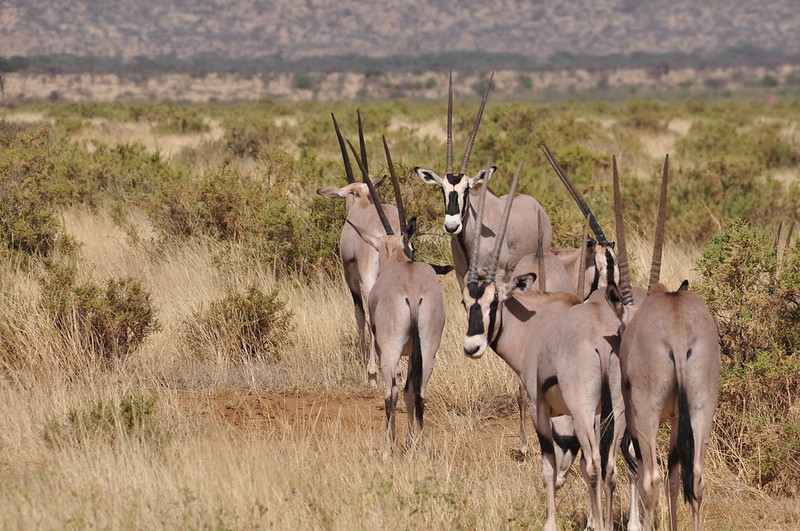 The park has elephants, lions, giraffes, zebras, and the rare Samburu species and more. There are semi-arid areas, riverine woods, and rocky hills in the park, so the scenery is very different. You can take pictures and eat a packed lunch if you want to. The afternoon game drive keeps going, this time to different parts of the reserve. In the evening, go back to your tent to unwind and enjoy the quiet of the bush.
The Samburu Public Campsite is open to the public.
Day 5: Drive To Lake Nakuru national Park, with Game drive in the afternoon.
When you get to Lake Nakuru National Park in Kenya, you can go on a game drive in the afternoon. People love the park because it has flamingos, rhinos, giraffes, zebras, and big groups of antelopes. You can drive along the lakeshore and through the nearby woods, looking for wildlife and taking pictures of the lovely scenery. Before going to Masai Mara, you can have a short but exciting tour day to see some animals for the first time.
The Enjoro Campsite is open to the public.
Day 5: Get to Masai Mara and Visit the Masai Cultural Villages
It takes about 6 hours to drive from Lake Nakuru to Masai Mara National Reserve. You’ll see beautiful fields and the town of Narok on the way. Once you get there, go and learn about their customs, homes, and way of life. You can meet people from the area and learn about Maasai customs. Enjoy a night’s rest at your campsite after a day of seeing wildlife and learning about other cultures.
You can camp at either the Oloololo Public Campsite or the Rover Public Campsite.
Day 6,7: Full-day game drive in Masai Mara National Reserve.
If you want to see lions and cheetahs, you should go on a game drive early in the morning. You will see elephants, zebras, giraffes, and big cats as you walk through different parts of the reserve.
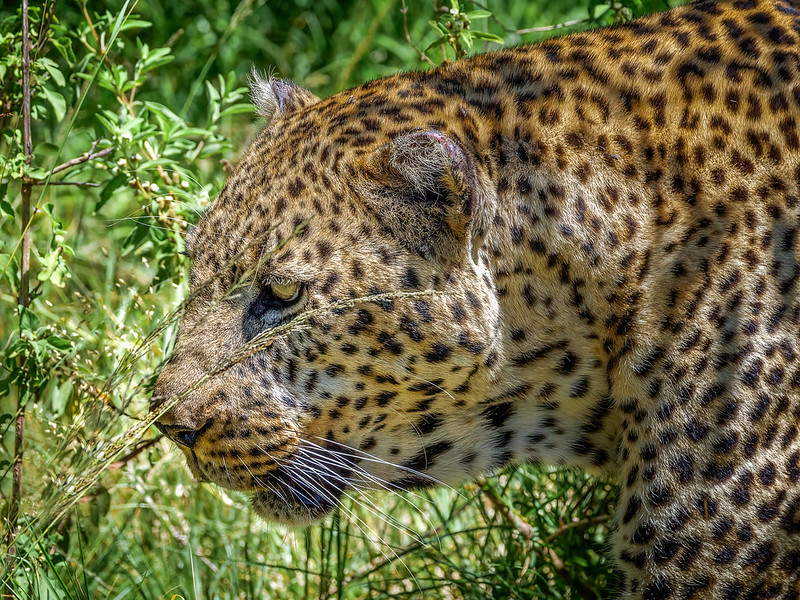
Some of the best wildlife viewing in Kenya can be found in the Mara, and the vast landscapes make for great photo possibilities.
a game drive in the Mara in the afternoon to see lions, elephants, giraffes, zebras, and wildebeest. Wildlife is easy to see on the fields, and the sunset over the savannah is beautiful.
You can camp at either the Oloololo Public Campsite or the Rover Public Campsite.
Day 8: Go on a game drive and then Drive at Lake Naivasha.
First, take a short game drive in Masai Mara in the morning. Then, drive for about 6–7 hours to get to Lake Naivasha. The grassy plains of the Mara give way to the lush, green Rift Valley, which has farms and hills. As you get to Lake Naivasha, take it easy for the afternoon by the water. You can have a quiet evening and get ready for things to do at the lake the next day.
Fisherman’s Camp is a public campground.
Day 9: Take a boat ride on Lake Naivasha and go on a walking tour on Crescent Island
Take a boat ride on Lake Naivasha to see hippos, cormorants, and other water birds. After that, go on a walking tour on Crescent Island to get a close look at giraffes, zebras, and antelopes. This is a safe, guided walk that gives you a different view than normal game rides. Enjoy the peaceful views of the lake from your tent in the evening.
Fisherman’s Camp is a public campground.
Day 10: Drive to Amboseli National Park; game drive in the evening
It takes about 5–6 hours to drive from Lake Naivasha to Amboseli National Park. People love the park because it has elephant groups and great views of Mount Kilimanjaro. When you get there in the evening, you can go on a game drive and see elephants, lions, giraffes, and buffalo. This is a great way to get to know Amboseli before going on a full tour the next day.
Both the Kimana Public Campsite and the Amboseli Community Camp Site are open to the public.
Day 11: Explore Amboseli National Park
Spend the whole day in Amboseli National Park. Start the day with a morning game drive to see animals at their busiest, with Mount Kilimanjaro in the background. Amboseli National Park is known for having big groups of elephants, so you will likely see a lot of them. You may also see lions, cheetahs, buffalo, zebras, and giraffes. Many kinds of birds, like flamingos and pelicans, come to the park’s waterways. Have a picnic lunch in a beautiful area of the park before going on a game drive in the afternoon to see more of the park. At the end of the day, enjoy the beautiful sunset over the vast fields. Then, go back to your campsite for dinner and some rest.
Both the Kimana Public Campsite and the Amboseli Community Camp Site are open to the public.
Day 12: Get to Tsavo West and go on a game drive in the afternoon.
Going to Tsavo West National Park is what you do after breakfast after leaving Amboseli. You will drive from Amboseli National Park to Tsavo West National Park in the morning. The trip takes four to five hours. The drive goes through beautiful scenery, such as the Chyulu Hills and the savannah fields. As soon as you get to Tsavo West, you go on a game drive through the park’s rolling hills, rivers, and forest. There should be elephants, cats, buffalo, giraffes, and zebras around. Mzima Springs is another place you can go. Hippos and crocodiles live in the clear water of the springs. Camp out for the night and enjoy the quiet of the African bush after the game drive.
Kamboyo Public Campsite is a public campsite.
Day 13: Full Day Game Drive In Tsavo West
You Explore Tsavo West National Park for the whole day. People love the park because it has elephants, lions, giraffes, cows, zebras, and beautiful scenery. Hippos and crocodiles live in the clear water at Mzima Springs, a natural spring that you can visit. You can watch wildlife as you drive through rolling hills, open fields, and riverine forests. You can visit more remote places and take lots of pictures on this full day. Enjoy the peace and quiet of the African bush when you get back to your camping in the evening.
Kamboyo Public Campsite is a public campsite.
Days 14 and 15: Get to the coast of Mombasa for a beach vacation.
It takes about 5–6 hours to drive from Tsavo West to the coast of Mombasa. The environment shifts from dry savannah to lush coastal woodland. Get to Diani Beach, which is a lovely Indian Ocean beach with white sand. You can take it easy in the afternoon, swim, or walk along the shore. After days of exciting safaris, this is the start of a relaxed beach vacation.
Cheap place to camp or stay at the beach: Diani Backpackers Camp
Day 15: Vacation in Mombasa Daina Beach
The Indian Ocean is warm, and you can swim in it and enjoy the sun. You can also do things nearby, like snorkeling, fishing, or a short trip to Colobus Conservation. The day has no plans, so it’s a great time to relax after your tour, enjoy the beach, and look out at the ocean.
Camping spot or cheap beach stay: Diani Backpackers Camp
Day 16: Beach week in Mombasa and Diani
Diani Beach is yours for the whole day on Day 16. You can swim, lay out in the sun, or walk along the white sand all day. You can choose to go on boat rides, snorkel, or tours of nearby towns. Today is a calm day to enjoy the coast before going back to Nairobi or finishing your trip.
Cheap place to camp or stay at the beach: Diani Backpackers Camp
Day 17: Drive and cross to Tanzania via Dar es salaam Border
After departing from Mombasa or Diani Beach, you proceed north to the Tanzanian border near Dar es Salaam. Formalities at the border may take some time, so plan to drive for 6–8 hours, with stops. After crossing, you keep driving through Tanzania to get to your next stop. Today is mostly a day for transfers, but along the way you can see towns, farms, and beautiful views. The overnight stop is close to the road so that you can rest before going to Sadaani.
Low-cost Stay: Take a break near the border before continuing,
Day 18: Get to Sadaani National Park
A visit to Sadaani National Park is on Day 18. Saadani National Park is Tanzania’s only coastal wildlife park, and it has animals from both the beach and the plains. If you get there in the afternoon, it will be easy to go on a game drive along the grassland or beach areas. You can see elephants, lions, cows, hippos, and monkeys in Saadani, and sometimes you can even see them right by the water. In the evening, you should unwind at your campground while taking in the sounds of the African bush beside the ocean.
Public Campsite: Saadani Public Campsite
Day 19: Drive to see animals and take a boat ride on the Wami River
In the morning, go on a game drive in Saadani to see giraffes, elephants, and lions. Take a boat ride on the Wami River in the afternoon to see hippos, alligators, and waterbirds. There are game trips and river safaris in this park, which makes it stand out. In the evening, go back to the tent to unwind under the stars.
Campsite: Saadani Public Campsite
Day 20: Get to Mkomazi National Park by bus.
It takes about 6–8 hours to drive to Mkomazi National Park, based on how bad the roads are. The park Mkomazi is known for protecting black rhinos and African wild dogs. It is partly dry. When you get there in the evening, you can go on a short game drive and look for giraffes, zebras, and antelopes. There aren’t as many people in the park, so you can have a more private trip.
Public Campsite: Mkomazi Public Campsite
Day 21: Enjoy a game drive and visit the rhinos.
Game drives in the morning and afternoon are a great way to see animals, including the park’s rare rhinos. Wildlife like giraffes, zebras, elands, and wildebeest can also be seen. The safari experience at Mkomazi is remote and quiet, making it perfect for photos and watching animals. Later, go back to your campsite to unwind.
Public Campsite: Mkomazi Public Campsite
Day 22: Transfer to Mount Kilimanjaro
The trip from Mkomazi to the area around Mount Kilimanjaro takes five to six hours by car. The view changes to green hills, farms, and small towns close to Kilimanjaro. On this day, you will be transferring to your next safari or trekking adventure around Kilimanjaro. The highest mountain in Africa can be seen on clear days.
Public campsites: Kilimanjaro Campsites or the Marangu Public Site
Day 23: Visit the water falls & Drive to Tarangire national park
Start the day by taking a drive to a nearby waterfall to take pictures and enjoy the view. After you’re done enjoying the waterfalls, take a three- to four-hour drive to get to Tarangire National Park. The big elephant groups, baobab trees, lions, giraffes, and zebras that live in Tarangire are well known. After you get to the park, you can go on a short afternoon game drive to see animals and enjoy the scenery. Spend the evenings at the campsite, taking in the serene surroundings and unwinding under the stars.
Public Campsite: Tarangire Public Campsite
Day 24: Go to Lake Natron and then Ngorongoro crater.
Head north to Lake Natron, which is known for its flamingos, alkaline water, and beautiful cliffs. Take some pictures and enjoy the view for a while. Proceed to the Ngorongoro Highlands, which will take around 4–5 hours, after Lake Natron. Upon your arrival at the campsite near the crater in the evening, you will be able to appreciate the cooler highland temperatures and the stunning views of the surrounding hills.
Campsite: Simba Public Campsite
Day 25: Visit the crater and proceed to Serengeti
Start the day by going down into Ngorongoro Crater early in the morning. This is the world’s biggest intact volcanic caldera. Go on a game drive for a few hours and look for lions, elephants, buffalo, rhinos, zebras, and hippos. Drive for about 4–5 hours to get to Serengeti National Park (Central Serengeti/Seronera area) after the crater tour. In the afternoon or evening, you can take a short game drive on the way to your camping.
Campsite: Seronera Public Campsite
Day 26: Serengeti game drive (from the middle to the western Serengeti)
You can go on game drives in the Serengeti all day. You can start in the Central Serengeti (Seronera) and work your way to the Western Serengeti. People come from far and wide to see the big cats, large groups of zebras and wildebeest, and other animals. You should spend the day looking for animals and predators in open fields, riverine forests, and kopjes. The Western Serengeti is less busy, so you can have a more private tour there. In the evening, go back to your campsite to settle down.
Public Campsite: Western Serengeti Public Campsite
Day 27: Proceed to Ndutu Serengeti and Enjoy the Wildebeest Migration
In the Southern Serengeti, which is famous for the Great Migration, you drive south to Ndutu. From December to March, when you plan to journey, this is the time of year when thousands of wildebeest, zebras, and predators gather to have calves. Go on game drives in the morning and afternoon to see lions, cheetahs, hyenas, elephants, and the groups that are migrating. Ndutu provides exceptional photographic opportunities and expansive plains. The evening is dedicated to leisurely activities at the campsite.
Public Campsite: Ndutu Public Campsite
Day 28: Game Drive and exit Serengeti heading to Karatu
Start your day with a game drive in the morning in Ndutu or Central Serengeti as you slowly make your way northwest to Karatu. The Ngorongoro Highlands are close to Karatu, making it a good place to stay before going to the crater or other northern game areas. Relax and enjoy the view of the Serengeti fields, kopjes, and animals that are spread out along the way. Upon your arrival in Karatu in the afternoon, take some time to unwind at your campsite and prepare for a brief respite before you depart for Arusha the following day.
Public Campsite: Karatu Safari Camp Lodge or Flamingo Safari Lodge Karatu
Day 29: Head to Arusha and relax
With stops, the drive from Karatu to Arusha takes about two to three hours. People often rest in Arusha before their trips because it is a quiet town. Have a day of leisure, visit a nearby market, or soak up the town’s ambiance. This is a day of relaxation to recuperate from extended safaris and outings. The night is spent at a safe campground or cheap hotel close to town.
Kibo Palace Hotel, a budget hotel, and a diplomatic hotel
Day 30: Go to the airport to catch your trip home.
To get home, drive to Kilimanjaro International Airport (JRO) or Arusha airport. Depending on what time your flight leaves, you might have a short stop in Arusha to do some last-minute shopping or take pictures.