Aberdare National Park Travel Guide: Moorland, Waterfalls, Treetops and The Ark, and How to Plan Your Visit
Aberdare National Park is a high-altitude park in central Kenya, protecting the forested slopes, open moorland, and deep gorges of the Aberdare Range, roughly 160 kilometers from Nairobi. It is known for the tree hotels Treetops and The Ark, where guests watch wildlife at floodlit waterholes after dark, and for waterfalls such as Karuru and Chania, for its cool misty weather, and for walking in the moorland. Most visitors spend one to two days here, often combined with Nyeri, Ol Pejeta, or the Rift Valley.
The Aberdares do not look like the Kenya of the postcards. Instead of golden savanna, there are steep bamboo forests, tree ferns hung with moss, rivers that tumble over cliff edges, and, above the treeline, open moorland where giant lobelias and tussock grass wave in the wind. The air is thin and cold, and cloud rolls in off the ridges with surprising speed. Down in the forest, elephants emerge like gray ghosts from the mist, and at night, from the safety of a high wooden platform, you can watch buffalo, rhinos, and leopards come to drink at a floodlit pool.
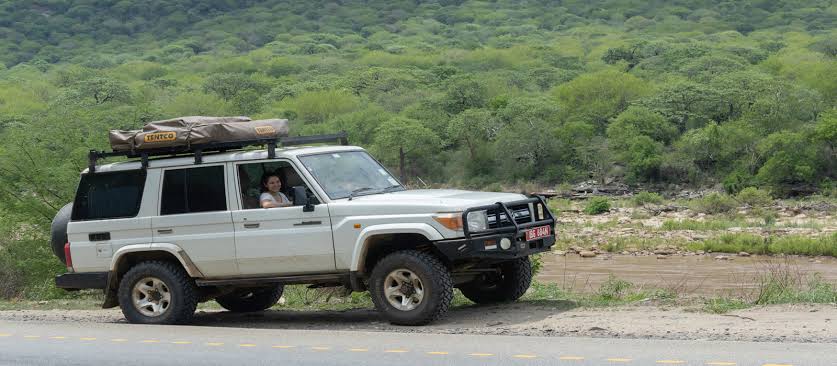
Aberdare National Park is a cool, misty, mountainous park in central Kenya, about 150 km north of Nairobi, where bamboo forest, moorland, and tall waterfalls shelter elephants, black rhinos, leopards, giant forest hogs, and the rare mountain bongo, and where famous treetop lodges such as Treetops and The Ark let you watch wildlife at a floodlit waterhole. It is a completely unique safari from the open savannah parks, with dramatic scenery, rain, and mist, so a 4×4, warm clothes, and a flexible attitude are essential. Plan one to three nights, and confirm fees, gate times, lodge transfers, and road conditions before you go.
This guide explains what the Aberdares offer, how the park is laid out, what wildlife and scenery to expect, where to stay at every budget, how to get there and around, and how to combine it with Nyeri, Ol Pejeta, Mount Kenya, and the rest of the safari circuit. For nearby regions, read our Nanyuki travel guide, Laikipia travel guide, and Ol Pejeta Conservancy travel guide, and if you are starting in the capital, our Nairobi travel guide covers the city before you head north
Aberdare National Park at a Glance
Quick fact | What to know |
Location | Central Kenya, on the Aberdare Range west of Nyeri, about 150 km north of Nairobi and 60 km from Nanyuki |
What it is | A mountain national park of roughly 770 sq km, running from forested lower slopes to high moorland, with peaks above 3,900 m |
Famous for | Treetops and the Ark, tall waterfalls such as Karuru and Gura, elephants, black rhinos, the elusive mountain bongo, giant forest hogs, leopards, birds, and trout streams |
Languages | English and Swahili, with Kikuyu widely spoken around the park |
Climate | Cool to cold and often misty, with temperatures from near freezing on the moorland at night to about 20°C in the lower forest by day, and rain at any time. |
Altitude | About 2,000 m at the lower gates, rising above 3,900 m on the highest peaks |
Currency | Kenyan shilling (KES). Lodges usually accept cards, and cash or M-Pesa is useful in Nyeri and Mweiga. |
Time needed | A long day trip is possible, but one to three nights is better. |
Main areas | The lower salient and forest, the high moorland, the waterfalls, Nyeri and Mweiga, and the Naivasha side of the range |
Best for | Scenery, forest wildlife, waterfalls, birdwatching, trout fishing, hiking, camping, and classic treetop lodge stays |
Is Aberdare National Park Worth Visiting?
Yes, if you enjoy mountains, forests, and a quieter, moodier kind of safari. The Aberdares give you tall waterfalls, bamboo and moorland landscapes, big herds of elephants and buffalo coming to water, and chances of seeing rare forest species that are very difficult to find in the savannah parks. The treetop lodges offer a unique way to watch wildlife at night from comfortable viewing platforms, with a long history that includes the story of Princess Elizabeth learning she had become queen while staying at Treetops in 1952.
It is not the best park for classic open-plains game drives. The forest is dense, animals can be shy, mist and rain are common, and many roads are rough and steep. Wildlife viewing is often best from the lodges at waterholes and salt licks. With good planning, a high-clearance vehicle and warm clothes, it is a rewarding and refreshing change from the usual safari routes.
Who it suits best
- Scenery and waterfall lovers who enjoy mountains and forests.
- Wildlife watchers who like the comfort of a treetop lodge and a night viewing platform.
- Birdwatchers, thanks to montane forest and moorland species.
- Hikers and campers who want a cool, quiet park.
- Anglers, with trout streams inside and around the park.
- Self-drivers who want a long weekend from Nairobi with a very different landscape.
Wildlife and Scenery in the Aberdares: What You Can See
| Species or feature | What makes it special? | Tips |
| Elephants and buffalo | Large herds in the forest clearings and at lodge waterholes | Best seen at lodge viewing decks, especially at dusk and night |
| Black rhinos | The park has a small rhino population, often seen at night at the lodge waterholes. | Sightings are never guaranteed, so ask the lodge about recent visitors. |
| Mountain bongo | A rare, striking forest antelope that lives in the bamboo and high forest | Very rarely seen, so treat it as a bonus. |
| Giant forest hog | A large, shaggy wild pig of the forest, regularly seen at salt licks | Look for it at lodge viewing platforms. |
| Leopards and other cats | Leopards, servals (including dark forms), and the rare golden cat | Night viewing at the lodges gives the best chances. |
| Lions and hyenas | Lions occur in small numbers, and spotted hyenas are common. | Check with rangers about recent sightings. |
| Monkeys and primates | Black-and-white colobus, Sykes’ monkeys, and olive baboons | Easy to see on forest drives |
| Antelopes | Bushbuck, waterbuck, eland, duiker, and reedbuck | Look at forest edges and open glades. |
| Birds | Hundreds of species, including Jackson’s francolin, Hartlaub’s turaco, sunbirds, and raptors | Early morning is best, so bring binoculars. |
| Waterfalls | Karuru Falls and Gura Falls, among the tallest in Kenya, plus Chania Falls and others | Reached by guided walks. Wear sturdy shoes. |
| Moorland and bamboo | Open Heath, giant lobelias, streams, and misty ridges | Dress warmly. Weather changes quickly. |
Sightings vary by season, and wildlife in dense forest is harder to see than on open plains.
Top Things to Do in Aberdare National Park
- Treetop lodge stays: spend a night at Treetops or The Ark and watch elephants, buffalo, rhinos, hogs, and leopards from a floodlit viewing deck, with buzzers or staff to alert you to rare sightings.
- Game drives: drive through the Salient, the moorland, and the forest tracks, with a 4×4 and often a ranger. Roads can be steep and slippery.
- Waterfall visits: see Karuru Falls, Gura Falls, Chania Falls, and other cascades, often with guided walks from designated viewpoints.
- Hiking and walking: guided hikes to waterfalls, viewpoints, and sections of moorland, with armed rangers where required.
- Peak walks: treks towards Ol Donyo Lesatima (Satima) and Kinangop with a licensed guide, suitable for fit and experienced hikers.
- Birdwatching: Forest, moorland, and stream birds, best early in the morning.
- Trout fishing: fishing in the streams around the park, where permitted and with the right permit.
- Picnics and photography: misty ridges, giant lobelias, waterfalls, and forest glades.
- Camping: public and special campsites inside the park for those who want a wild, cool night under the stars.
Nearby places and experiences
- Nyeri town: a lively highland town with the Outspan Hotel, Paxtu Cottage, Lord Baden-Powell’s grave, and the base for Treetops transfers.
- Mweiga and Aberdare Country Club: a resort area with golf, horse riding, and the base for The Ark transfers.
- Ol Pejeta Conservancy: rhinos, chimpanzees, and the Big Five, about 1 to 1.5 hours away. See our Ol Pejeta Conservancy travel guide.
- Mount Kenya and the Sirimon route: hiking and alpine scenery. See our Nanyuki travel guide.
- Solio and Naro Moru: rhino areas and trout streams on the mountain’s lower slopes.
- Thomson’s Falls at Nyahururu: a highland waterfall about 2 hours away.
How Aberdare National Park Works: Fees, Gates, and Rules
The Aberdare National Park is managed by the Kenya Wildlife Service. Entry is normally paid per person per day, with an extra charge for your vehicle, and rates differ for non-residents, East African residents, and citizens, with lower rates for children. Gates open early and close in the evening, and day visitors must leave before closing time. Treetops and The Ark are inside the park, and their guests are usually collected by the lodge from a base hotel and driven in, often at fixed times, with meals and a night’s stay included. Because the roads are steep, muddy, and slippery, a high-clearance 4×4 is required for self-drive visitors, and rangers may turn back vehicles that are not suitable. Rules include staying on tracks, keeping to speed limits, never leaving the vehicle except at designated points, and keeping your distance from wildlife. Fees, gates, and payment methods change, so confirm them directly with the Kenya Wildlife Service or your lodge before you go.
Nearby Parks and Places to Combine with the Aberdares
| Place | Approx. distance | Famous for | Tips |
| Nyeri town | 10 to 25 km from the gates | Outspan Hotel, Baden-Powell’s grave, and shops | Refuel and shop here. |
| Mweiga and Aberdare Country Club | About 15 to 25 km from Nyeri | Golf, horse riding, and a base for the Ark | Often combined with a night in the park |
| Ol Pejeta Conservancy | About 1 to 1.5 hours | Rhinos, chimpanzees, and the Big Five | See our Ol Pejeta Conservancy travel guide |
| Nanyuki and Mount Kenya | About 1 to 2.5 hours | The equator, hiking, and the Sirimon route | See our Nanyuki travel guide |
| Lake Naivasha and Hell’s Gate | About 2 to 2.5 hours | Boat rides, hippos, and cycling | A good route if you enter from the west |
| Lake Nakuru National Park | About 2.5 to 3 hours | Rhinos, flamingos, and woodland | Common on the way back to Nairobi |
| Nyahururu and Thomson’s Falls | About 2 hours | A highland waterfall and cooler air | A scenic drive with a lunch stop |
| Lewa, Borana, and Loisaba conservancies | 2.5 to 3.5 hours | Walking, camels, and wild dogs | See our Laikipia travel guide. |
| Samburu, Buffalo Springs, and Shaba | About 4 to 5 hours | Northern species and the Ewaso Nyiro River | See our Samburu National Reserve travel guide. |
| Maasai Mara National Reserve | About 6 to 8 hours by road, or a short flight | The Great Migration and big cats | Fly if short on time. |
Tip: Kenya Wildlife Service (KWS) manages national parks and reserves, while private conservancies and lodges set their own rules. Fees, permits, and payment systems can vary and change, so please confirm directly before you go.
Best Time to Visit the Aberdares
The Aberdares are cool, misty, and wet for much of the year, and the weather changes fast. Rain can fall at any time, and the high moorland can be cold and windy even in the dry season.
- For the driest weather and clearer views: January to February and June to September.
- For the coldest, mistiest weather: July and August, when a warm jacket, hat, and gloves are essential.
- For lush scenery and strong waterfalls: the rainy months, though roads can be muddy and slippery.
- For the long rains: about March to May, with heavy showers and lower rates.
- For the short rains: October to November, usually lighter.
- For wildlife at lodge waterholes: the drier months, though viewing is possible all year.
- For holiday crowds: late December to early January and school holidays, when lodges fill and advance booking is wise.
Bring warm layers, a waterproof jacket, sturdy shoes, and binoculars, whatever the season.
How to Get to the Aberdares
- By road from Nairobi: about 150 km to Nyeri via Thika, Sagana, and Karatina, usually 3 to 4 hours depending on traffic, and a further 20 to 45 minutes to the park gates and lodge bases.
- From Nanyuki and Laikipia: about 55 to 65 km to Nyeri, usually 1 to 1.5 hours, which makes the Aberdares an easy extension from Mount Kenya or Ol Pejeta.
- From Naivasha and the Rift Valley: a scenic road to the western gates through Njabini and Kinangop, usually 1.5 to 2 hours, though some stretches can be rough in the rains.
- By air: the closest options are Nanyuki and Nyeri airstrips for charter flights, with road transfers to the park. Baggage limits are strict on small planes.
- By bus and matatu: services reach Nyeri, but not the park gates or lodges, so you would need a transfer or a hired vehicle.
- Cross-border: road links from Uganda and Tanzania mean very long drives, and cross-border car hire needs special permission. See our guide to cross-border car rental from Kenya.
Getting Around the Aberdares
- Car hire: the best way to reach the gates and explore, though a high-clearance 4×4 is essential inside the park.
- Driver-guide: helpful for steep, muddy tracks, wildlife spotting, and park rules.
- Lodge transfers: guests at Treetops and The Ark are normally collected from a base hotel and driven into the park at set times.
- Ranger escorts: often required or recommended for waterfall walks and hikes.
- Walking: only with a ranger or lodge guide, and never alone in the forest.
- Fuel and supplies: refuel and buy water and food in Nyeri or Mweiga before entering the park.
Where to Stay at the Aberdares: Budget, Mid-range, Luxury, and Campsites
The Aberdares offer a mix of classic treetop lodges, resort-style stays near the park, simple hotels in Nyeri, and campsites inside the park. Prices change with season and are not listed here, so compare current rates and confirm what is included, such as meals, transfers, drives, and park fees. The names below are well-known options, but availability and standards change, so check each property directly.
| Tier | Best for | What to expect |
| Budget | Self-drivers, hikers, and backpackers | KWS public campsites, simple guesthouses, and hotels in Nyeri and Mweiga, with basic facilities |
| Mid-range | Couples, families, and first-time visitors | Comfortable hotels, cottages, and treetop lodges, often with meals and transfers |
| Luxury | Honeymoons and special occasions | Resort-style stays with spacious rooms, golf, horse riding, and fine dining near the park |
| Campsites | Adventurous and self-sufficient travellers | Public and special campsites inside the park, with basic facilities and a cool, wild setting |
Budget stays
- KWS public campsites: basic sites inside the park, usually with limited facilities and a low nightly fee plus park entry.
- Nyeri guesthouses and simple hotels: affordable rooms in town, about 10 to 25 km from the gates, with restaurants and shops nearby.
- Self-catering cottages near Mweiga and Naro Moru: simple units where you cook your own meals, good for families and groups, where available.
- Hostels and homestays: low-cost beds for backpackers around Nyeri.
| Option | Best for | Tips |
| KWS public campsite | Self-drive, tent, and budget trips | Bring food, water, warm bedding, and firewood where allowed. |
| Nyeri guesthouse | Flexible, low-cost trips | Leave early to reach the gate when it opens. |
| Self-catering cottage | Families and small groups | Book early and bring supplies from town. |
Mid-range stays
- Treetops: a historic treetop lodge inside the park, known as the place where Princess Elizabeth became queen, with a viewing deck and night wildlife watching. Guests are usually collected from a base hotel in Nyeri.
- The Ark: a ship-shaped lodge inside the park, designed for night viewing of animals at a floodlit waterhole, with guests usually collected from a base hotel near Mweiga.
- Outspan Hotel, Nyeri: a historic garden hotel, often the base for Treetops, with comfortable rooms and a restaurant.
- Aberdare Cottages and similar properties: cottage-style stays near Mweiga, with meals and activities.
- Comfortable Nyeri hotels: mid-range rooms in town, with breakfast and convenient access to supplies.
| Option | Best for | Tips |
| Treetops | History lovers and night viewing | Check transfer times and what is included. |
| The Ark | Night wildlife viewing | Ask about rhino and leopard sightings. |
| Outspan Hotel | A comfortable base in Nyeri | Combine with a Treetops night. |
| Aberdare Cottages | Groups and longer stays | Ask about meals, activities, and park fees |
Luxury stays
- Aberdare Country Club (Mweiga): a resort-style estate with spacious rooms, golf, horse riding, and the base for The Ark, set among gardens and wildlife.
- Fairmont Mount Kenya Safari Club (Nanyuki): a historic luxury hotel with gardens, golf, and horse riding, about 1 to 1.5 hours from the Aberdares.
- Private conservancy lodges nearby, such as those at Ol Pejeta, Lewa, and Loisaba, for those extending a trip.
| Option | Best for | Tips |
| Aberdare Country Club | Relaxation, golf, and a combined Ark stay | Check what is included in package rates. |
| Fairmont Mount Kenya Safari Club | Luxury and gardens | Pair with an Aberdare day or night. |
| Luxury private camps | Photography and privacy | Book months ahead for peak season. |
Campsites
| Option | What you get | Tips |
| KWS public campsites | Low-cost sites with basic facilities in forest and moorland | Expect cold nights and wildlife nearby. Bring a reliable tent, warm sleeping bags, food, and water. |
| KWS special campsites | More private, remote sites for small groups, often booked ahead | Ask KWS about availability, rules, fees, and ranger escorts. |
| Rooftop tents | A convenient option for self-drivers who want to sleep off the ground | See our camping gear and rooftop tent rental. |
Camping rules and safety
- Camp only in designated areas, and never leave food outside your tent or vehicle.
- Expect wildlife, including buffalo, elephants, and hyenas, near camp at night, so stay inside after dark unless guided.
- Bring very warm sleeping bags, layers, a waterproof tent, and a groundsheet, since nights are cold and wet at altitude.
- Carry enough water, fuel, a first-aid kit, and a charged phone, and tell rangers your plans.
- Follow gate and campsite rules, including quiet hours and fire guidelines.
- Check whether firewood, cooking equipment, and showers are provided, and what you need to bring.
Budget tips: stay at a KWS campsite or in Nyeri and visit by day, travel in the March to May rains, and compare lodge packages that include meals and transfers. If you plan to camp on a longer trip, you can arrange equipment through camping gear and rooftop tent rental.
Self-Drive, Driver-Guide or Flying: Choosing Your Transport
Self-drive is permitted in Kenya, and the main roads to Nyeri and Mweiga are paved. Inside the Aberdares, tracks are steep, rocky, and very slippery when wet, and rangers may refuse entry to vehicles that are not suitable. To compare vehicles, check out car rental Nyeri, and for the drive from the capital, read Nairobi to Aberdare self-drive.
If you want… | Choose | Why |
To reach Nyeri and Mweiga | A compact SUV or 4×4 | Paved road to town and the lodge bases |
Game drives and park tracks | A high-clearance 4×4 | Essential on steep, muddy, and rocky sections |
Stress-free wildlife viewing | Local knowledge, spotting and rule awareness | |
Group or family wildlife trips | Standing views and photographs for everyone | |
A one-way trip to Nanyuki or the Mara | You can collect the car in one place and drop it off in another. | |
Camping on a longer route | Camping gear and rooftop tent rental | Useful for KWS campsites and the highlands |
Short on time | Scheduled or charter flights | Fast, but costly and with baggage limits |
Road rules and safety, whichever vehicle you choose
- Drive on the left, keep to the speed limit, and expect police checkpoints.
- Avoid night driving on public roads, where trucks, livestock, and wildlife are common.
- Keep to marked tracks inside the park, follow gate rules, and observe speed limits.
- Use low gears on steep sections, and never drive through flooded or deeply rutted tracks.
- Never get out of the vehicle near wildlife except at designated points.
- Carry water, a spare tire, a charged phone, and offline maps, since signal can be patchy.
- Refuel in Nyeri or Mweiga, since fuel inside the park is not available.
Local notes from our team Timing: leave Nairobi early to reach Nyeri by lunchtime and enter the park in daylight. Roads: allow extra time after rain, since tracks can be very muddy and some may be closed. Weather: mist and rain can arrive quickly, so keep waterproofs handy. Lodges: please confirm the fixed transfer times for Treetops and The Ark. Kit list: warm jacket, hat, gloves, waterproofs, sturdy shoes, binoculars, cash, and offline maps.
How Long Should You Spend in the Aberdares?
A single night at a tree-hotel is the classic visit, with an afternoon arrival, a night of wildlife viewing, and an early start. A second day lets you explore the moorland and waterfalls, and a longer stay suits walkers who want to hike or camp. The Aberdares also combine naturally with Nyeri, Ol Pejeta, and Mount Kenya, or with a crossing to the Rift Valley. Our Ol Pejeta Conservancy travel guide and Laikipia travel guide explain the nearby wildlife areas, and our Lake Nakuru National Park travel guide covers a rewarding next stop.
Sample Two-Day Plan
On the first day, drive from Nairobi to Nyeri, transfer to a tree-hotel in the afternoon, and spend the evening and night watching the waterhole. On the second day, enjoy an early walk or drive, then explore the moorland and waterfalls before continuing to Nanyuki, Ol Pejeta, or back to Nairobi.
Park Rules and Etiquette
Kenya Wildlife Service sets the rules, which change, so check current requirements before you go. In general, stay in your vehicle except at designated points, keep to the roads and tracks, observe the speed limit, keep your distance from elephants, buffalo, and other animals, and never feed wildlife. Keep noise low at the tree hotels, particularly at night, so as not to disturb the animals.
Entry fees and payment methods may also change, so please confirm how to pay before you arrive and carry the necessary documents or cards. Opening hours are tied to daylight, so plan to enter early and leave before the gates close.
Practical Tips for Visiting the Aberdares
Start early and bring warm clothing. Carry water, snacks, sun protection, a waterproof jacket, and a charged phone, and bring binoculars for the birds and the forest. Fuel up in Nyeri before entering the park, and check road and weather conditions before you set out.
Allow extra time for the drive, particularly after rain, and keep your speed low on steep, muddy tracks. Keep valuables out of sight, lock vehicle doors, and allow flexibility in your plan, since the mist can close in quickly and the best sightings are rarely scheduled.
Where the Aberdares Fit in a Longer Kenya Route
The Aberdares sit at the heart of Kenya’s central highlands, between Mount Kenya and the Rift Valley. From Nyeri, you can continue north to Nanyuki, Ol Pejeta, and Samburu, or cross the range to Lake Naivasha and Nakuru. Our Kenya safari routes page explains how these options connect, and our Nanyuki travel guide and Laikipia travel guide describe the region to the north in more detail.
Sample Aberdare Plans
One day: a day trip from Nyeri
- Morning: drive into the park through a lower gate and explore the forest tracks.
- Midday: a picnic near a waterfall viewpoint.
- Afternoon: a guided walk to Karuru or Gura Falls, or a drive to the moorland.
- Evening: leave before gate closing.
Long weekend: one night at a treetop lodge
- Day 1: drive from Nairobi to Nyeri, lunch at the base hotel, then transfer to Treetops or The Ark for an afternoon and night of wildlife viewing.
- Day 2: sunrise viewing, breakfast and transfer out, then a visit to Nyeri or the Outspan, and return to Nairobi.
Three to four days: Aberdares and Mount Kenya
- Day 1: arrive in Nyeri and spend the afternoon at a lodge or a waterfall visit.
- Day 2: a park drive and waterfalls, or a night at The Ark.
- Day 3: Nanyuki, the equator and Ol Pejeta.
- Day 4: return to Nairobi.
Seven to ten days: central Kenya loop
- Days 1 to 2: Aberdares and Nyeri.
- Days 3 to 4: Ol Pejeta and Laikipia.
- Days 5 to 6: Samburu and Buffalo Springs.
- Day 7: Mount Kenya or Meru National Park.
- Days 8 to 10: Lake Nakuru, Lake Naivasha, or the Maasai Mara before returning to Nairobi.
Using the Aberdares as a Starting or Ending Point
The Aberdares work well as an easy first or last stop on a central Kenya loop. A common pattern is to drive from Nairobi to Nyeri, spend a night at a treetop lodge, continue to Nanyuki and Ol Pejeta, then loop north to Samburu and return via the Rift Valley. Another is to enter from the Naivasha side and finish at Mount Kenya. Our Kenya safari routes guide shows how the circuits fit together; our Ol Pejeta Conservancy, Laikipia, Nanyuki, and Samburu National Reserve travel guides cover the northern leg; our Nairobi travel guide covers the capital; our Mombasa travel guide covers the coast; our Kisumu travel guide covers western Kenya; and our guide to cross-border car rental from Kenya explains routes into Uganda and Tanzania.
Before You Travel
- Travel authorization: most overseas visitors need a Kenya eTA before they fly. Check the official portal for the latest rules.
- Required health insurance: Kenya asks most foreign visitors who enter on an eTA to hold a Kenyan inbound health insurance policy. Rules have changed since launch, so confirm the details on the day you apply.
- Your cover: keep a comprehensive travel policy with medical evacuation, which matters for remote highland areas.
- Health: Malaria risk is generally lower in the cool highlands, but lower areas and other parks on your route carry more risk, so ask a travel clinic about prophylaxis. A yellow fever certificate may be required if you arrive from an affected country.
- Altitude, cold, and rain: the park is high, cold, and wet, so pack warm layers, waterproofs, and sturdy shoes, and be careful on slippery tracks.
- Driving documents: bring your license and an International Driving Permit.
- Money: use ATMs in Nyeri, carry some cash for tips and supplies, and confirm which lodges take cards.
- Park rules: follow ranger instructions, keep your distance from wildlife, and stay on marked tracks.
- Hiking safety: hike only with a ranger or guide, carry water, and tell someone your plans.
- Travel advisories: check current government advice and local news before and during your trip.
Frequently Asked Questions About Aberdare National Park
Where is Aberdare National Park?
In central Kenya, on the Aberdare Range west of Nyeri, about 150 km north of Nairobi.
Is Aberdare National Park worth visiting?
Yes. It offers mountain scenery, waterfalls, forest wildlife, and the classic Treetops and Ark night viewing experience.
How many days do you need in the Aberdares?
A day trip is possible, but one to three nights lets you do drives, waterfalls, and a treetop lodge stay.
What is the best time to visit the Aberdares?
January to February and June to September are generally the driest months. March to May has the long rains.
What are Treetops and The Ark?
Two famous lodges inside the park, built for watching wildlife at floodlit waterholes from raised decks. Guests are usually transferred in from a base hotel.
Can I see the Big Five in the Aberdares?
You can see elephants, buffalo, and sometimes rhinos and leopards, and lions are rare. The park is better known for forest wildlife and scenery.
Can I see the mountain bongo?
It is possible but very rare, so treat any sighting as a bonus.
Can I camp in Aberdare National Park?
Yes. There are public and special campsites with basic facilities. Book ahead, follow ranger rules, and keep food secured.
What are the cheapest places to stay?
KWS public campsites, simple guesthouses in Nyeri, and self-catering cottages near Mweiga are the most affordable options.
Can I do a day trip from Nairobi?
It is possible but tiring, since the drive to Nyeri is about 3 to 4 hours each way. A night in Nyeri or at a lodge is far better.
Can I self-drive in the Aberdares?
Yes, with a high-clearance 4×4. Tracks are steep and slippery, and rangers may turn back unsuitable vehicles.
Is Aberdare National Park safe for tourists?
Most visits are trouble-free with reputable lodges and guides. Check current advisories, follow ranger instructions, and avoid night driving.
Do I need malaria tablets?
Risk varies by altitude and area. Ask a travel clinic about the latest advice for your itinerary.
Do I need a visa or eTA?
Most overseas visitors need a Kenya eTA. Check the official portal for the latest rules and insurance requirements.
How much does it cost to enter the park?
Fees vary by season, visitor category, and vehicle. Confirm the current tariff, gate times, and payment method with the Kenya Wildlife Service or your lodge.
Get a Quote for Your Aberdare Trip
Let us know your dates, party size, pick-up point, and whether you want a day trip, a treetop lodge night, a camping stay, an Ol Pejeta or Samburu extension, or a one-way journey from Nairobi. We will suggest the vehicle that fits, from a self-drive 4×4 to a pop-up roof safari vehicle, a driver-guide or a rental with camping equipment, and send itemised costs, insurance, and paperwork details before you commit.
Request a quote from Car Rental 4×4:
Let us know your dates, party size, pick-up point, and whether you want a Samburu and Buffalo Springs stay, a Laikipia combination, a flight and drive option, or a one-way journey from Nairobi. We will suggest the vehicle that fits, from a self-drive 4×4 to a pop-up roof safari vehicle, a driver guide, or a rental with camping equipment, and send itemized costs, insurance, and paperwork details before you commit.