4x4 Ngorongoro Car Rental With Driver, Self Drive Ngorongoro W/Rooftop Tents & Pop Up Roof
4×4 Ngorongoro, Car rental Ngorongoro with driver, Self drive Ngorongoro: Hire a Tanzania car with pop up roof or Self drive car rental in Tanzania with rooftop tent to Ngorongoro Crater in Ngorongoro Conservation Area for Tanzania Wildlife & Migration Safaris. Car Rental 4×4 Africa offers 4×4 car rentals to Ngorongoro Conservation Area from Arusha or Moshi or Dar-es-salaam.Our range of 4×4 Tanzania car rentals to Ngorongoro Conservation Area include: range of 4×4 car rental fleets in in Ngorongoro Conservation Area Land cruisers GX, Land Cruiser LX, Land Cruiser TX/TZ, Land Cruiser GX, Land Cruiser V8, Land Cruiser Extended, Land cruiser Hard Top, Toyota Rav4s, Nissan Patrol, Toyota Land cruiser Double Cab, Nissan Xtrail car rentals, Safari Vans, Toyota Hiace, Toyota Land Rover Defender, Toyota Double Cabin, Coasters
Besides, Car Rental 4×4 Africa also offers car rental with private driver guide for guided Tanzania safaris to Ngorongongo Conservation Area, moreover , one can also hire one way car rental from Masai Mara National Reserve to Serengeti National Park , then to Ngorongoro Crater via Isebania/Sirari Borders from Kenya to Tanzania.
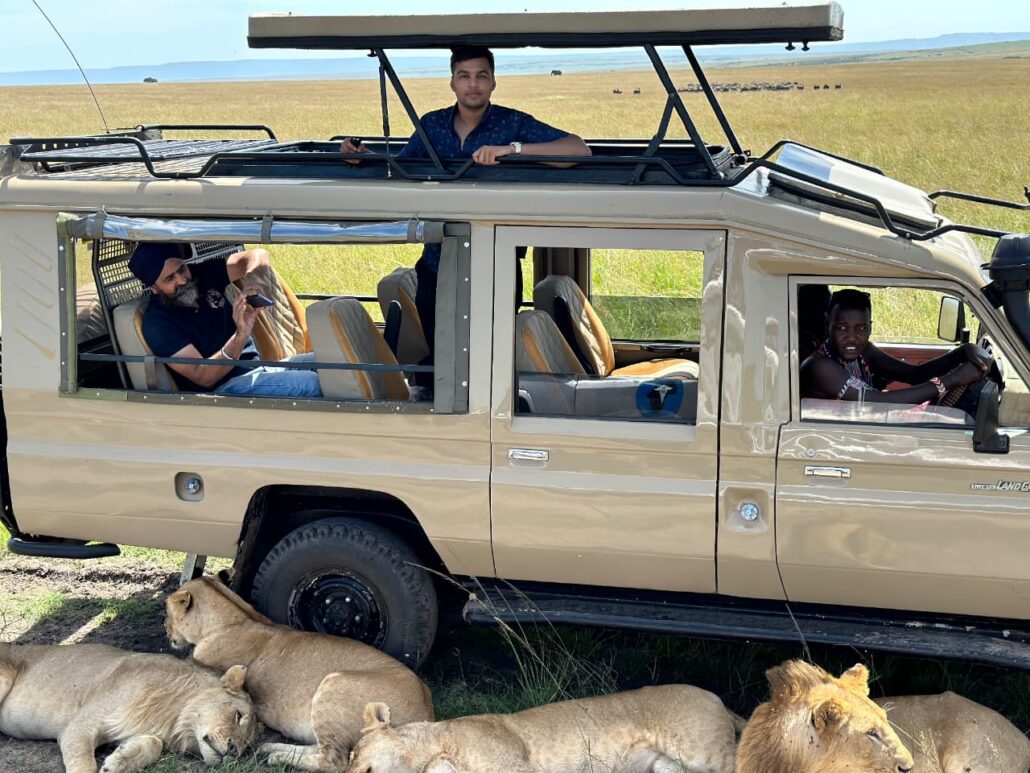
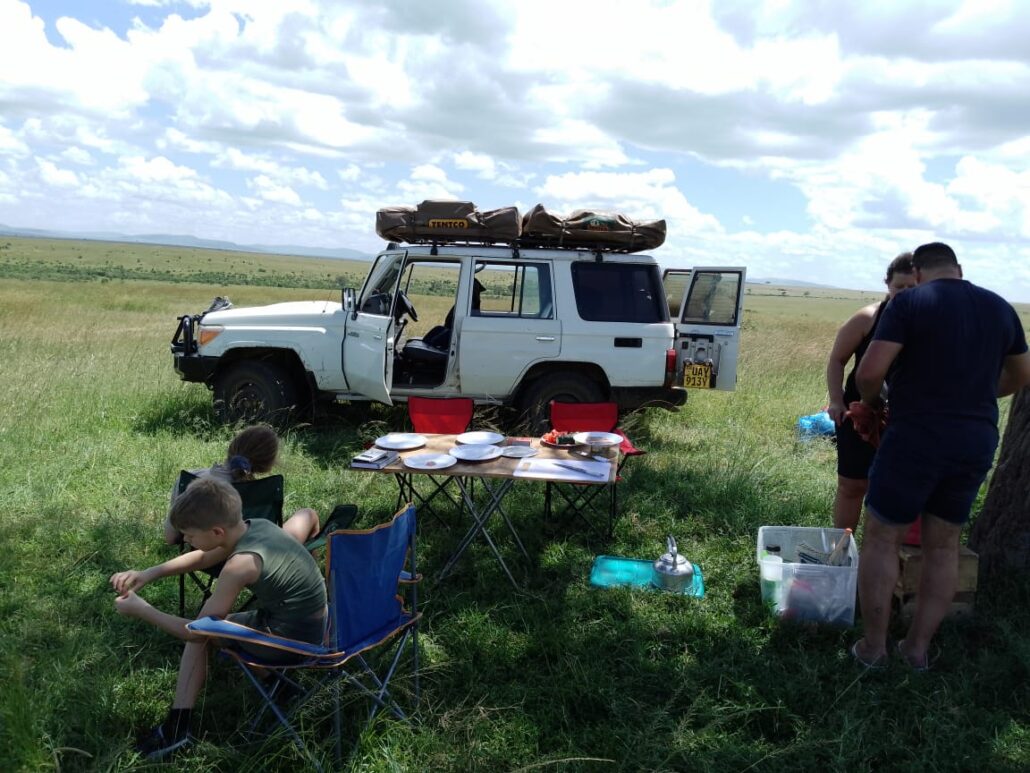
Comprehensive Guide Of Ngorongoro Conservation Area (Ngorongoro Crater)
The Ngorongoro Conservation Area includes the largest unfilled and intact caldera in the world. The Ngorongoro Crater has a diameter of approximately 20 kilometers, a depth of 600 meters, and covers an area of 300 square kilometers. Nevertheless, Ngorongoro Crater stands as a breathtaking natural wonder. Ngorongoro Crater stands out as a significant location in Africa, celebrated for its remarkable diversity of wildlife on the continent. The Ngorongoro Crater is considered one of the ‘eight wonders of the world. Additionally, it guarantees remarkable animal observation in a breathtaking environment.
The Ngorongoro crater’s floor features a variety of vegetative ecosystems, such as grasslands, wetlands, woodlands, and Lake Makat, which means ‘salt’ in Maasai. This area in Tanzania is the most likely place to see the Black Rhino. Outstanding chances exist to witness leopards and magnificent black-maned lions. Additionally, numerous flamingos are drawn to the saline Lake Magadi.
The Ngorongoro Crater provides opportunities for visits to Maasai villages, enhancing cultural immersion. This is among the reasons for the creation of the Ngorongoro Conservation Area. Consequently, it protects the ecosystem for the nomadic Maasai community that moves from the eastern Serengeti Plains. The nomadic Maasai create temporary villages referred to as bomas, distinguished by their circular designs. There are now chances to explore various regions, as local communities have allowed tourists to enter. This group has a notable history as fighters. Additionally, they are not allowed to build communities within the park and are prohibited from continuing to graze livestock in the wider Ngorongoro Conservation Area. Additionally, they feed and drink water, regardless of how close predators may be.
The Best time to Vist Ngorongoro
The Ngorongoro Crater is a remarkably distinctive and breathtaking place on Earth, and choosing the best time to visit will greatly enhance your experience. This geological marvel, a collapsed volcano, is often referred to as the “Eighth Wonder of the World” and is home to an impressive variety of fauna, including the Big Five.
When is the best time to experience its magic? The response depends on several factors, such as weather conditions, wildlife, and population density.
The dry season, spanning from June to October, is considered the best time to visit the Ngorongoro Crater. During these months, the weather is mainly sunny, with no rainfall, and the cooler temperatures make safari drives more enjoyable. In arid environments, animals are drawn to water sources, which enhances their visibility. The restricted floor area of the crater leads to species gathering in concentrated zones, providing remarkable opportunities to witness large herds of elephants, buffalo, and predators like lions and cheetahs.
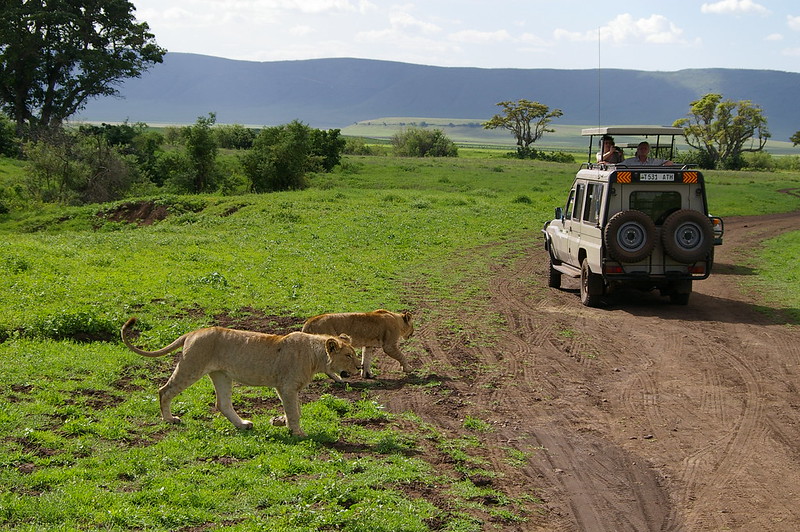
The dry season provides the best opportunity to observe the famous Big Five: lion, leopard, elephant, buffalo, and rhinoceros. Currently, the grass is shorter, enhancing visibility of wildlife, and the animals display increased activity. The Ngorongoro Crater is a year-round destination that offers outstanding opportunities for wildlife observation at any time. Nevertheless, the dry season significantly increases the chances of seeing a wide variety of species up close. Additionally, decreased rainfall leads to better road conditions in and around the crater, enhancing accessibility.
The wet season from March to May presents a perfect chance for those looking for a peaceful getaway in Ngorongoro. In this period, the landscape is lush and thriving, embellished with beautiful flowers and abundant plant life. While the rain can make some areas of the crater quite muddy and harder to navigate, the scenery becomes incredibly vibrant, leading to stunning views. The rainy season brings forth a plethora of newborn animals, especially wildebeest and gazelles, offering a thrilling chance to witness young species in their natural environment.
The rainy season draws fewer tourists, providing an opportunity to explore the crater without the usual crowd. This enriches the experience, and for photography enthusiasts, the stunning skies and lush greenery offer perfect backdrops for captivating photographs. The rainy season brings milder weather, marked by short, heavy showers that are usually followed by sunny skies. This unpredictability adds a sense of adventure to your stay.
The ideal time to explore Ngorongoro is during the brief rainy season from November to December. This period marks a shift between the dry and wet seasons, as the landscape begins to flourish, with rainfall that is relatively mild. The short rains create a beautiful mix of dry and lush landscapes, attracting a variety of migratory birds to the area. This is a perfect time to observe both native wildlife and migratory species.
For the best experience of the Great Migration or other seasonal events, plan your visit during the short rains or the green season. The damp environment revitalizes the crater’s grasslands, drawing large groups of wildebeest, zebras, and gazelles from nearby areas, resulting in a mesmerizing scene. The Ngorongoro Crater, while not as intense as the Serengeti migration, still experiences a notable arrival of various species during this time.
The best time to visit the Ngorongoro Crater depends on your individual interests and the experiences you wish to have. The dry season offers the most dependable conditions for excellent wildlife viewing and better access to the crater floor, while the wet season showcases a lush landscape and fewer visitors, leading to a peaceful and picturesque safari adventure. The green season and brief showers offer unique opportunities to witness young animals, migratory birds, and the extraordinary transformation of the landscape.
No matter if you go during the dry season or the rainy months, Ngorongoro Crater will offer you unforgettable experiences. The area’s wildlife, impressive landscapes, and rich history make it a must-visit destination for any safari enthusiast. No matter when you visit, the crater’s charm and beauty will captivate you, making it an unmatched experience.
Instructions for reaching the Ngorongoro Crater with a 4×4 Tanzania Car Rental
The Ngorongoro Crater can be reached by driving from from Arusha, taking around 3 to 4 hours.
Visitors can reach the Ngorongoro Crater by air during safaris, with flights available from Kilimanjaro International Airport or Arusha Airport to Lake Manyara Airstrip. Arusha Airport offers domestic flights, while Kilimanjaro International Airport serves both domestic and international routes.