How To Set Up Rooftop Tents In Uganda, Kenya, Tanzania, Rwanda, Burundi
Your outdoor experience can be improved by setting up a rooftop tent, making it more convenient and pleasurable. Whether you’re planning a long road trip or a weekend retreat, a rooftop tent in East Africa provides a distinctive option to camp in Kenya, Tanzania, Rwanda, and Uganda while staying off the ground and away from potential animals. With car rentals & rooftop tents in Uganda, Kenya, Tanzania, Rwanda, and Burundi, we will help you set up your tent and make sure you have the best camping experience possible.
In Kenya, Tanzania, Rwanda, and Tanzania, renting a car with rooftop tents offers a cozy resting space above the ground. They come in different shapes and sizes to meet the wants and tastes of everyone. Making an informed decision will be made easier if you are aware of the characteristics and advantages of rooftop tents.
Advantages of Rooftop Tents in Rwanda, Burundi, Tanzania, Kenya, and Uganda
Comparing rooftop tents with standard ground tents reveals a number of benefits. Here are some main advantages:
Elevation: Being above the earth protects you from wildlife and insects.
Convenience: Compared to traditional tents, setting up a rooftop tent is usually quicker and simpler.
Comfort: A lot of rooftop tents have mattresses built right in, making sleeping there more pleasant.
Views: You can enjoy breathtaking views of your surroundings while you sleep on an elevated platform.
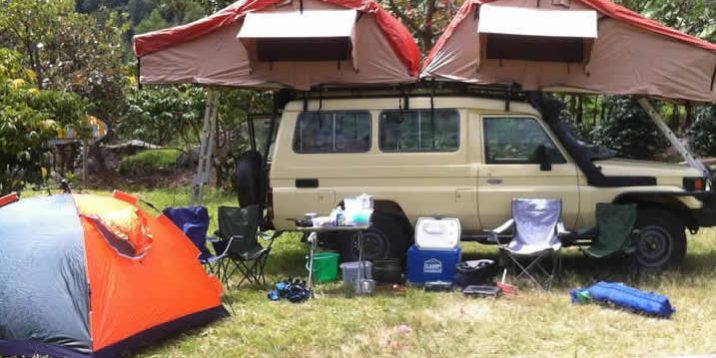
Apart from these advantages, rooftop tents can improve your entire camping experience. Better ventilation, for example, is made possible by the elevated posture and can be especially cooling on warm evenings. Additionally, a lot of models have built-in features that make it simpler to arrange your equipment and have fun outside. You can camp in places where traditional tents might not be practicable, including rough or uneven terrain, thanks to the ease of having your sleeping area above the ground.
Rooftop Tent Types - How To Set Rooftop Tents
Generally speaking, there are several types of rooftop tents, each with unique characteristics and benefits.
Think about your travel preferences and the kinds of settings you will be camping in when selecting a tent. While certain tents may appeal to people who value room and weight savings for longer excursions, others are best suited for frequent travelers who value durability and speedy setup. Some versions can even hold more than one person, which makes them an excellent option for group expeditions or family camping excursions. Your unique needs and the way you want to utilize your rooftop tent will ultimately determine which option is best for you.
Selecting the Appropriate rooftop Tent for Your Car
A number of criteria need to be taken into account when choosing a rooftop tent for your car, such as weight capacity, size, and vehicle compatibility.
Compatibility of Vehicles
Make sure a rooftop tent fits your needs before renting one. For example, make sure the weight limit on the tent and the roof rack of your car are compatible. Additionally, take into account the kind of car you rent; certain tents are made especially for light vehicles like the Land Cruiser V8, while others can be better suited for the Land Cruiser LX series, the Toyota Land Cruiser Hardtop series, or the Toyota Land Cruiser Double Cabs. Examining the tent’s mounting mechanism is a good idea because certain models make setup simpler than others, which might be important if you intend to set up and take down your tent regularly.
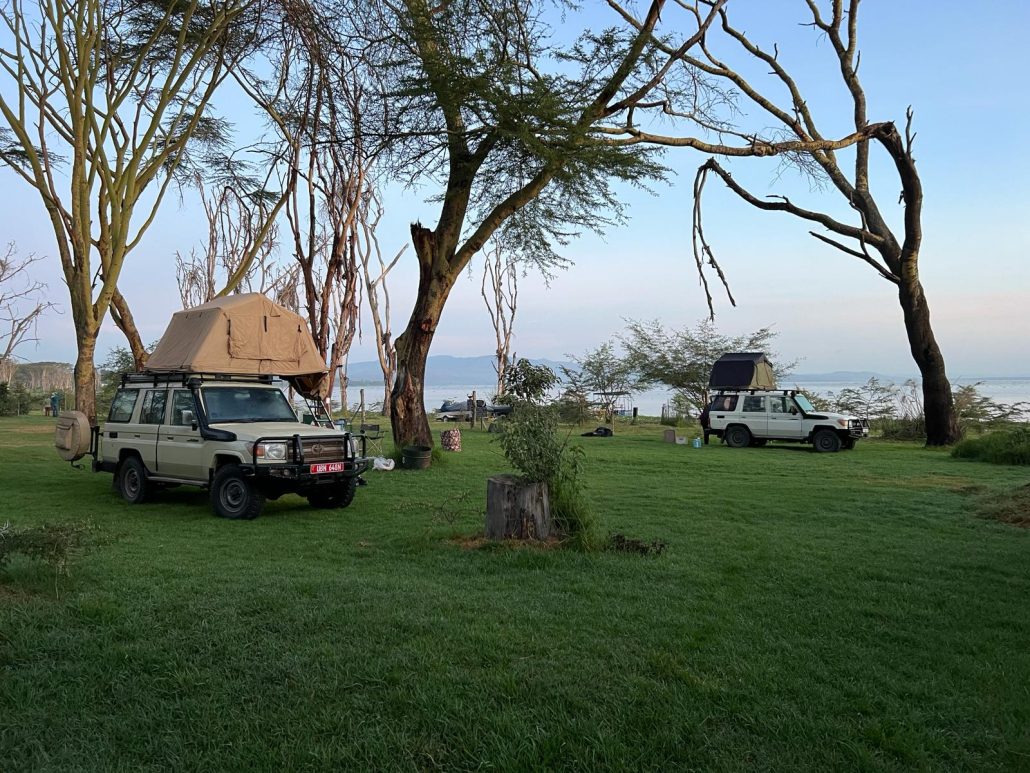
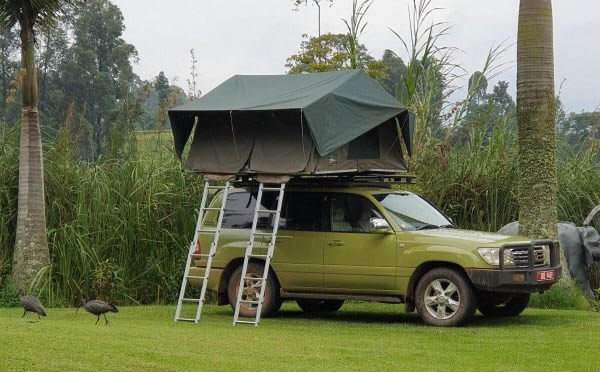
Sizes & Sleeping Capacity- How To Set Up Rooftop Tent
Rooftop tents from Car Rental 4×4 come in a range of sizes, usually housing two people in a one/single tent, four people in a two(double) tents, and three people in a family tent. Select a tent size based on your needs and the number of people utilizing it. Even though some rooftop tents offer additional storage possibilities, consider how much camping equipment you’ll be bringing along as well as what our company will supply. Additionally, keep in mind that certain tents have a taller profile, which might impact stability and wind resistance, particularly during bad weather. Keep this in mind while choosing the best rooftop tent model for your travels.
Essential Camping Equipment for Tent Setup
Before you go, acquire the required equipment to guarantee a seamless setup process. The following is a list of necessary items: Sleeping bags, kitchenware, camping tables, a gas stove, a water tank, a cooler box, and a stove that may simplify meal preparation so you can prepare delectable breakfasts or filling dinners at your campsite are all included in the rooftop tent. Remember to pack a refrigerator for perishables and a variety of your favorite snacks to sustain your energy levels while engaging in outdoor activities. In addition to offering comfort by the campfire, a quality pair of camping chairs may facilitate relaxation and outdoor enjoyment.
The weather is another crucial factor to take into account. Packing clothing that is suitable for the weather where you are going can have a big impact on how comfortable you are.
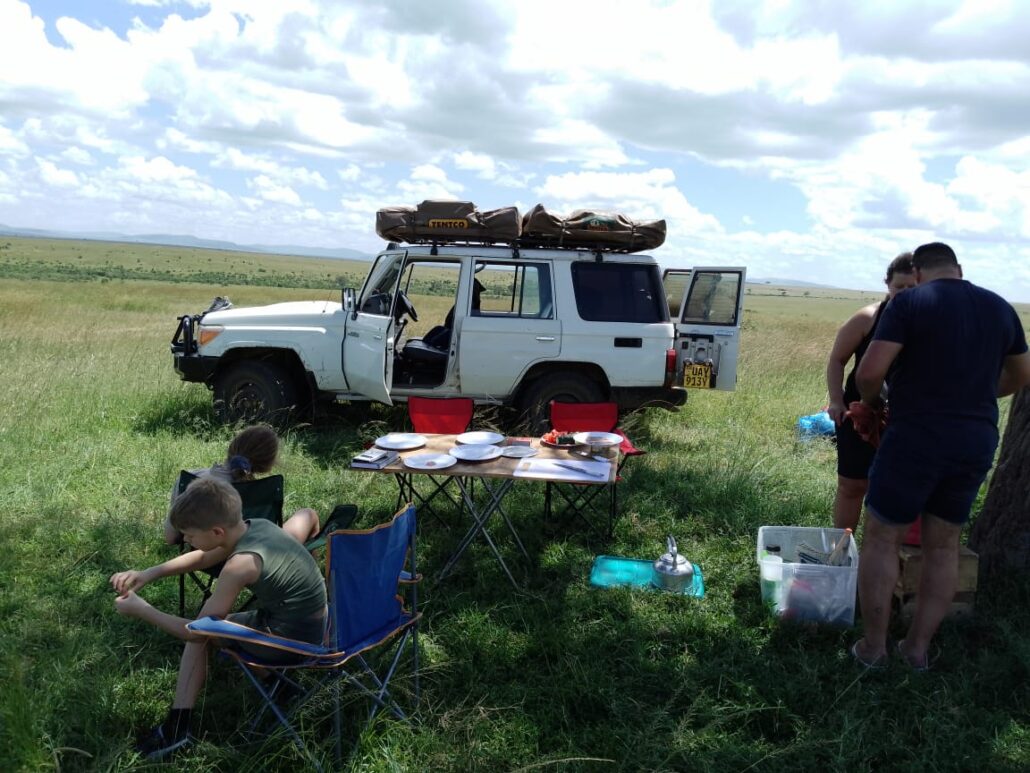
No matter the weather, you can be comfortable with the help of lightweight rain gear, additional layers for warmth, and sun protection like helmets and sunscreen. In order to be ready for any small injuries or illnesses that may occur while exploring the environment, a first aid package is also essential for any camping trip.
Setting Up Rooftop Tent Car at the Campsites
It’s time to put up your rooftop tent after you’ve reached your campsite. To successfully set up the tents in the campsites, adhere to following instructions.
Step 1: Select an Appropriate Site
Choose a level, secure spot to park your car before erecting your tent. Choose an area devoid of branches, pebbles, and other anything that can harm your tent or make it difficult to sleep. Pick a spot that provides some wind protection naturally, if at all possible. Additionally, take into account the accessibility of facilities that can improve your camping experience, such as water sources, restrooms, or picturesque vistas. A location next to a mild slope might offer a stunning setting for sunrise or sunset, adding even more special memories to your visit.
Step 2: Get Your Car Ready
Make sure the parking brake is applied and your car is parked firmly. If your tent needs a particular mounting mechanism, install it to your roof rack according to the manufacturer’s instructions. Verify that all connections and fasteners are securely fastened. To make sure the roof rack can securely hold the tent and any other equipment you intend to bring, it’s also a good idea to make sure all the hooks are securely fastened. By taking this precaution, you can lessen the chance of mishaps or harm while taking in the scenery.
Step 3: Spread the tent out and unfold it
Now that the tent is firmly fastened to your car, it’s time to unfold it. The majority of rooftop tents have a straightforward opening mechanism. Make sure all of the poles and support structures are in the proper positions before carefully extending the tent. You might need to erect extra poles for stability with certain tents. As you work, pause to look for wear or damage on the cloth and make sure the zippers and seams are operating well. This will guarantee that your tent stays safe and waterproof during your journey, giving you a comfortable haven after an exciting day of exploring.
To guarantee stability and safety throughout your visit, it is essential to securely fasten your tent after it has been unfolded. You can enjoy your outdoor adventure worry-free since a well-secured tent offers a cozy shelter and shields you from the weather.
Using Ladders
Use the ladders that come with your tent to secure it to the ground. This helps keep the tent from moving or collapsing, which is especially crucial in windy situations. Take into account the environment where you are camping as well; rocky or hard ground can call for particular pegs, while sandy soil might call for sandbags or other anchoring techniques to keep your tent stable.
Verifying Stability
To ensure stability, gently shake the tent after fastening it. Reevaluate your setup and make any required changes if it feels shaky or unsteady. Maintaining a steady configuration will improve your sleeping comfort and security. Additionally, pause to look around for any possible dangers that can compromise the stability of your tent, like hanging branches or jagged stones. During your camping trip, you can avoid unforeseen problems by being proactive about where you put your tent.
Weather-Related Considerations
In the vast outdoors, the weather can change quickly, so it’s a good idea to be ready for a variety of situations. For added protection, think about including a rain flying sheet that usually comes with the tent if rain is predicted. This extra layer reduces condensation within the tent by keeping water out and facilitating airflow. Additionally, pay attention to the direction of the wind. You may reduce drafts and improve your general comfort by setting your tent with the entrance facing away from the direction of the prevailing winds.
Frequent Inspections for Maintenance
It’s crucial to maintain your tent on a regular basis while camping. Check for wear or damage at the seams and zippers, and make sure the ladders are still fastened. Address any problems as soon as you see them to prevent more serious ones later. Maintaining your tent will increase its lifespan and guarantee that it will continue to be a dependable place to stay during your outdoor excursions.
Inside the Tent on Your Rooftop
It’s time to prepare your tent for your journey by making it comfortable. The following advice will help you make your rooftop tent as comfortable as possible:
Establishing a Cozy Sleeping Space
Although most rooftop tents have a mattress built in, you can improve your sleeping experience by adding more cushioning. For more comfort, think about utilizing inflated mattresses or sleeping mats. To stay warm during cold evenings, pack blankets or sleeping bags. Additionally, consider your preferred bedding type. For example, moisture-wicking sheets can help you stay dry and control your temperature, while lightweight down comforters can provide warmth without adding bulk. To ensure that you wake up feeling rejuvenated and prepared for your outdoor adventures, don’t forget to bring along a few cushions or a travel pillow for neck support.
Putting Your Equipment in Order
Since there may not be much room in a rooftop tent, it is crucial to arrange your equipment. To keep your possessions neat and accessible, use storage pockets or bags. For evening vision, hang a tiny lantern or flashlight, and think about keeping personal belongings on a small table or shelf. Compression sacks may greatly reduce bulk and facilitate packing, so consider using them for clothing and equipment to better maximize your available space. For toiletries and other necessities, think about obtaining a little hanging organizer. This keeps things off the ground and keeps them from being lost in the car. Your rooftop tent may feel like a comfortable home away from home with a little planning.
Safety Advice for Camping on Rooftops
Safety should always come first, even though rooftop camping can be an exciting experience. Here are some crucial safety pointers to remember:
Weather-Related Considerations
Prior to leaving, always check the weather forecast. Camping on your rooftop might be dangerous due to strong winds, torrential rain, or storms. It would be wise to reserve a hotel or look for other lodging if severe weather is predicted.
Limits on Weight and Capacity
Pay attention to the weight restrictions set by the rooftop tent and your car. An unstable and possibly damaging situation can result from overloading. Make sure the total weight of the passengers and equipment doesn’t go beyond the suggested thresholds.
Taking Care of Your Rooftop Tent
Maintaining your rooftop tent properly can increase its lifespan and guarantee a secure camping trip. Consider the following maintenance advice:
Frequent Cleaning
Clean your tent as soon as you wake up in the morning to get rid of dampness, dirt, and debris. Steer clear of harsh chemicals that can harm the material. To keep mold and mildew from growing, make sure the tent is completely dry before putting it away.
Examining for Damage
Check your tent frequently for indications of deterioration. Examine the fabric, seams, and zippers for any damage. Resolve any problems as soon as possible to stop future worsening. For instructions, check with the 4×4 rental company if repairs are required.
Finally, enhance your camping experience: In Uganda, Kenya, Rwanda, Tanrania, and Burundi, renting a car with rooftop tents enhances your camping experience by providing comfort, convenience, and breathtaking views. You may easily enjoy the great outdoors by being aware of the advantages of rooftop tents, selecting the appropriate type, and according to setup and maintenance guidelines. Your rooftop camping excursions can turn into unforgettable experiences that stoke a passion for the outdoors and discovery with careful planning and preparation.
If you want to enhance your African camping experience, consider renting a 4×4 vehicle with a rooftop tent in Uganda, Kenya, Tanzania, Rwanda, or Burundi.