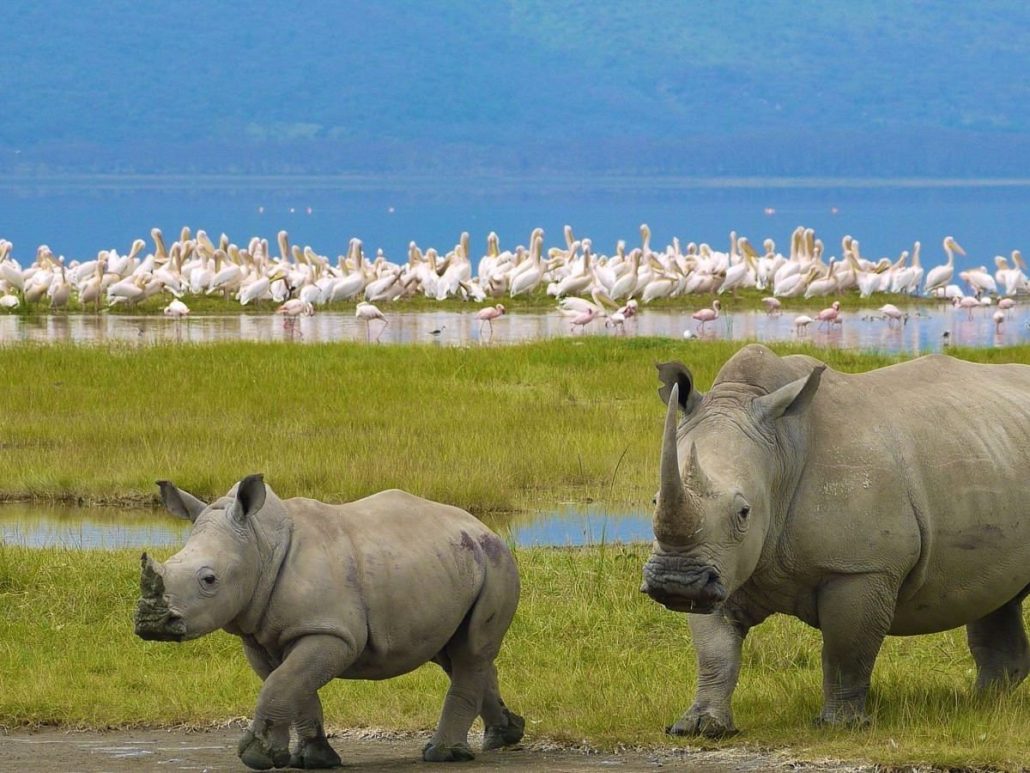
Self Drive Naivasha | Hell's Gate & Lake Guide

Self Drive Naivasha: Explore how to plan and drive Naivasha yourself: Hell’s Gate, the lakeshore, Mount Longonot, the escarpment road, and the practical details that make a day out feel effortless
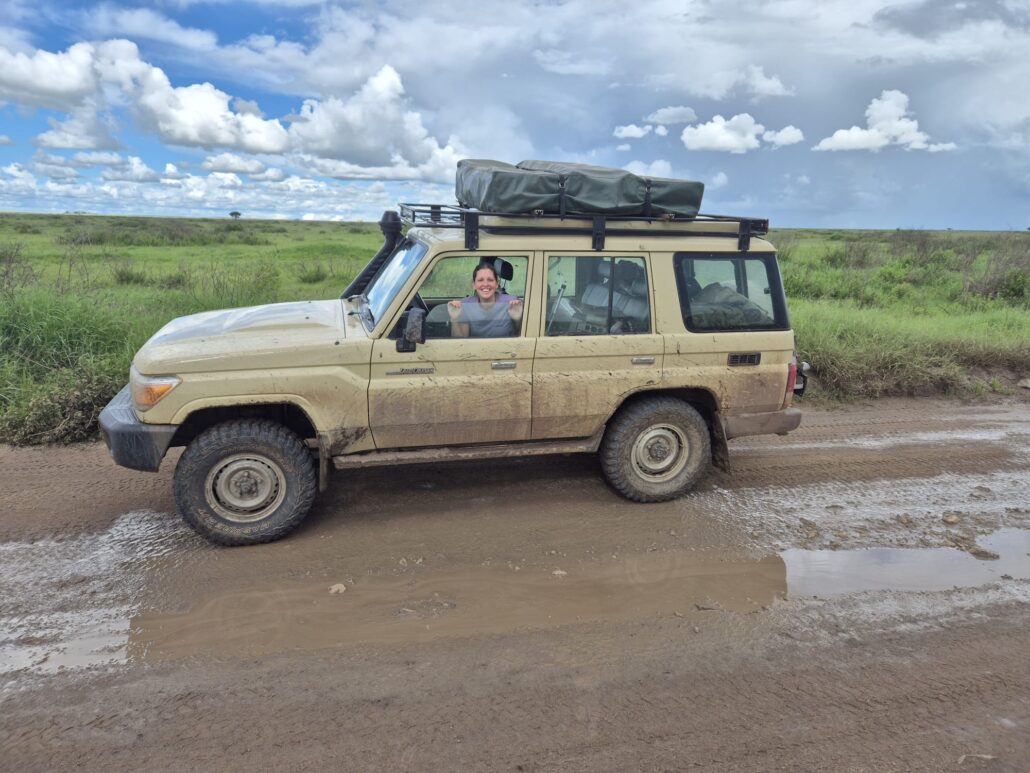
Self Drive Car rental Samburu national Reserve

The road drops off the escarpment in a long, unhurried descent, and for a few minutes the whole Rift Valley lies below your windscreen: the lake a flat sheet of light, the extinct volcano of Longonot a dark cone to the south, the plains scattered with the white dots of grazing cattle and the paler shapes of zebra. You have driven ninety kilometres from the capital, and you feel as if you have crossed a continent.

Naivasha rewards the self-driver more generously than almost anywhere else in Kenya. It is close, it is varied, and it is forgiving. Within a few hours you can cycle among giraffes in a gorge, hike the rim of a volcano, drift among hippos in a boat, and eat lunch beside a lake. Unlike a single park, Naivasha is a set of destinations stitched together by good roads, so the pleasure lies in choosing your order. This guide is written for the person at the wheel. It explains how to pay your fees, which road to take, what to book in advance, how to behave around hippos and buffalo, and how to build a day, or a weekend, that works. If you are looking for rental details, vehicles, and pick-up points, see our companion page, Car Rental Naivasha.

Self Drive Naivasha at a Glance

• Is self-drive easy in Naivasha? Yes. It is one of the most accessible self-drive areas in Kenya, with paved roads, plentiful fuel, and gentle terrain.

• Vehicle: a RAV4 handles the highway, the lakeside road, and Hell’s Gate in dry weather; a 4×4 is recommended in the rains and for rougher tracks.

• Main attractions: Hell’s Gate National Park, Lake Naivasha, Crescent Island, Mount Longonot, and Lake Elementaita.

• Hell’s Gate (2026): about USD 50 per non-resident adult per day and USD 25 per child; an additional vehicle fee. Payment is cashless.

• Distances: Nairobi about 90 km (1.5 to 2 hours); Hell’s Gate about 20 km from town; Longonot about 25 km; Nakuru about 60 km.

• Walking and cycling: allowed in much of Hell’s Gate, unlike most Kenyan parks. The gorge needs an accompanying guide.

• Hippo warning: hippos graze on land at night; never walk beside the lake after dark.

• Rules to remember: stay on tracks, 40 km/h in parks, no night driving, and give animals space.

Before You Travel: Kenya's New Mandatory Travel Health Insurance

This is new, and it affects every foreign visitor. From early October 2026, Kenya requires travelers to hold a government-designated inbound travel health insurance policy before they enter the country. It applies to tourists, business travelers, and anyone visiting for less than 12 months, and it is separate from your rental, your car insurance, and, according to current guidance, from the travel insurance you buy at home. Please read this section before you book flights.

Question

Answer (as of 19 October 2026)

What is travel health insurance?

Mandatory inbound travel health insurance for foreign visitors, based on Kenya’s Social Health Insurance Act of 2023 and a Ministry of Health notice published in July 2026

Who needs the travel health insurance?

Foreign visitors staying less than 12 months. Diplomats, crew, Kenyan residents and transit passengers are reported as exempt. Some reports say travellers from ETA-exempt countries are exempt for now; others say it applies to all non-Kenyans.

When did the mandatory travel health insurance start?

The rule took effect for new Electronic Travel Authorisation (ETA) applications on 5 to 6 October 2026

What does the travel health insurance cost?

About USD 44 for the policy, which is valid for one year and covers repeat visits in that period, plus a small gateway fee (about USD 8) when bought through the ETA system.

Where do I buy the travel health insurance?

Through Kenya’s official ETA portal as part of your application, or in advance on the government’s eCitizen insurance page. Buy only from official government sites

I already have an approved ETA. Do I still need it?

Yes. Travellers who hold an approved ETA but have not bought the insurance must still buy it before arrival, and immigration may ask for proof

Will airlines check the travel health insurance?

Airlines have been asked to check passengers’ policies before boarding, and travellers without insurance may be refused entry

Is my own travel insurance enough?

Current guidance says no: the government policy is separate from private cover. Keep your own travel, medical and evacuation insurance as well

Has the rule changed?

Yes, it has been challenged in court. A court suspended it in August 2026 and then dismissed the challenge in October, so the rule stands. Details are still being clarified.

What to do: buy the policy on the official portal when you apply for your ETA, save the electronic certificate on your phone and a printed copy, and carry it with your passport. Show it at the airport when asked.

How this relates to your car rental. Our rental insurance covers the vehicle (collision and theft), not people. It does not provide medical or personal cover for you or your passengers. Kenya’s mandatory policy, your own travel insurance and our vehicle insurance are three separate things.

Insurance rules for visitors are changing quickly. Check the Kenyan government’s official ETA and eCitizen portals, and your own government’s travel advice, before you travel. We cannot buy the policy on your behalf.

Can You Self-Drive in Naivasha?

Yes. Naivasha is not a single park but a region, and you can reach every part of it by private vehicle. The town, the lakeside road, and the highway are public roads. Hell’s Gate National Park and Mount Longonot National Park allow private vehicles for a daily person fee and a vehicle fee. The one significant exception is Crescent Island, which you can only reach by boat.

Is Self-Drive in Naivasha Easy?
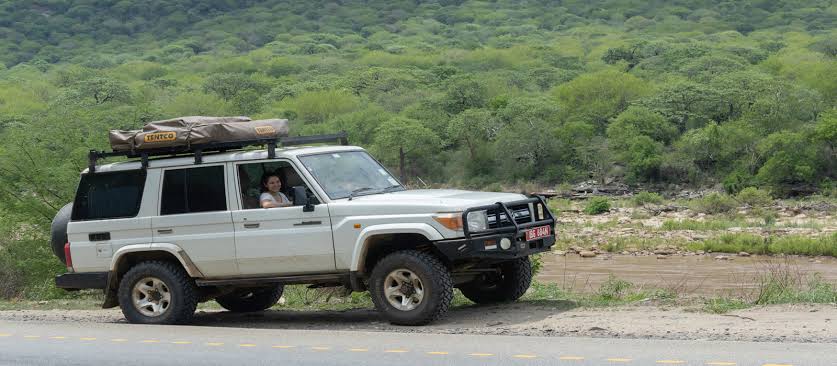
Car Rental aberdare National ParkEasier than most. The roads are paved or well maintained, signage is clear, fuel and supplies are everywhere, and distances are short. The challenges are practical: heavy lorry traffic on the Nairobi highway, hippos on the lakeshore roads at dusk, rough tracks after rain, and the discipline of finishing the day before dark.

Is It Right for You? A Quick Self-Check

Question

If yes

If no

Are you comfortable on a busy highway with lorries and hills?

Self-drive suits you.

Consider a driver guide for the Nairobi leg.

Can you follow a map and note junctions as you go?

Self-drive suits you.

A guide helps on park days.

Is this your first time driving in Kenya?

Naivasha is a gentle place to start.

Experienced drivers can range further.

Do you want to cycle, walk, or hike as well as drive?

Naivasha is ideal.

A scenic drive still rewards

Are you travelling in the rains?

Choose a 4×4 and drive with care.

The dry season is easier

Before You Go: Fees, Payment, and What to Book

How Park Fees Are Paid

Kenya’s national parks are cashless. Entry is paid electronically, through the wildlife authority’s online portal or an authorized payment channel, and loading funds in advance saves time at the gate. Methods change, so verify the current process before you travel.

What You Will Pay

Item

Approximate cost

Hell’s Gate, non-resident adult

About USD 50 per day

Hell’s Gate, non-resident child (9 to 17)

About USD 25 per day

Mount Longonot

Lower tier; please confirm the current figure.

Vehicle entry fee

The vehicle entry fee is charged per day based on vehicle size; please confirm this at booking.

Gorge guide, bicycle hire, campsites

Charged separately at the park

Boat trips and Crescent Island

Quoted by the operator; agree on price and duration in advance

Kenya resident and East African citizen

Lower rates; confirm current figures

What to Book in Advance

Item

Why book ahead?

Crescent Island access

A private sanctuary reached by boat; access needs arranging.

Campsites and lodges

Weekends and school holidays fill quickly.

Park payment

Loading funds in advance saves time at the gate.

Your vehicle

Rooftop-tent and pop-up roof vehicles are in demand in the dry season.

You will also need a rental vehicle, a license, a passport, and insurance. You can find the essentials summarized in the rental section below and set out in full on our car rental Naivasha page.

Getting to Naivasha: Roads and Routes

From

Route

Distance and time

Road

Nairobi

Highway via Limuru and the escarpment

About 90 km; 1.5 to 2 hours

Paved, busy; lorries, bends, and roadworks

Nakuru

Highway south along the valley floor

About 60 km; about 1 hour

Paved

Maasai Mara

Via Narok and Mai Mahiu

About 4 to 5 hours

Paved, with rougher sections near Narok

Hell’s Gate

Lakeside road from Naivasha town

About 20 km; 30 to 40 minutes

Paved, with some rough patches

Mount Longonot

Highway toward Nairobi, then the park turn-off

About 25 km; 30 minutes

Paved, then a short access road

Lake Elementaita

Highway toward Nakuru

About 30 km; 30 to 40 minutes

Paved

The escarpment. The descent into the Rift Valley is steep, with sharp bends and heavy lorries. Use a low gear, keep your distance, and take the viewpoint stop if you want a photograph rather than a risk. Avoid Friday evenings and Sunday evenings, when weekend traffic peaks.

Fuel up in town. Fuel is plentiful in Naivasha, but not inside the parks. Fill up before heading to Hell’s Gate or Longonot.

Self-Driving Hell's Gate National Park

Hell’s Gate is the jewel of the region and one of the most unusual parks in Kenya. It takes its name from a narrow break in the cliffs, and it offers something rare: the chance to leave the vehicle and walk or cycle among zebra, buffalo, giraffe, and antelope, because there are few large predators. It is also a landscape of red cliffs, volcanic towers, and steaming geothermal vents.

Gates

Gate

Location

Best for

Notes

Elsa Gate

Lakeside Road, closest to Naivasha town

Most visitors start off the main road through the park.

Usually the busiest and most convenient.

Olkaria Gate

Geothermal side

Visitors finishing a through-drive or arriving from the south

Near the power station.

Maasai Gate

Southern side

Visitors combining with the Longonot area

Confirm access and conditions.

  • Stay on designated tracks when driving. Off-road driving is prohibited and penalized.
  • Speed limit: 40 km/h under our contract; follow posted signs.
  • Walking and cycling are permitted in much of the park. Keep to paths, stay together, and keep your distance from buffalo.
  • The gorge needs an accompanying guide and is closed in or after heavy rain because of flash-flood risk. Follow ranger advice.
  • No driving at night. Be at the gate before closing time.
  • Never feed or harass wildlife.

Our insurance does not cover damage inside national parks, including collisions with wildlife, and excludes off-track driving.

What to Do in Hell’s Gate

Activity

What to know

Time

Drive the main road.

A scenic tarmac and murram road through the plains, past Fischer’s Tower and toward the geothermal area.

1 to 2 hours

Cycle the plains.

Bicycles are usually available for hire near the gate. A relaxed way to see zebra and giraffe at close range.

2 to 3 hours

Walk the gorge.

A guided walk through narrow red-rock walls and past hot springs. Closed in or after rain.

1 to 2 hours

Climb Fischer’s Tower

A volcanic plug popular with rock climbers. If you do not climb, take a photograph from below.

30 to 60 minutes

Visit the geothermal area.

Steam vents and the power station serve as reminders of the heat beneath the valley.

30 to 60 minutes

Picnic and birdwatch

Designated picnic sites below the cliffs; look for lammergeiers and augur buzzards.

1 hour

A tip on timing. Enter at opening time and do the gorge or cycle first while it is still cool. Leave the picnic and drive for the afternoon.
Driving the Lake Naivasha Shore

A paved road runs along the southern and western shores of the lake, linking public access points, campsites, lodges, and the road to Hell’s Gate. It is one of the most pleasant short drives in Kenya, with papyrus, fever trees, flower farms, and, with luck, a glimpse of hippos at the water’s edge.

Stop

What you will find

Public lakeshore access points

Picnic spots, boat landings, and birdwatching. Ask locally which ones are open and safe.

Boat trips

Operated by local boatmen. Look for hippos, fish, eagles, and pelicans. Agree on the price and duration in advance.

Crescent Island

A private sanctuary where you walk among giraffes, zebras, and waterbuck. Reached by boat; arrange access ahead.

Crater Lake

A small, green crater lake with a rim walk, a short drive from the main lake.

Lakeside lodges and campsites

Gardens, restaurants, and campsites with lake views.

A note on hippos

• Hippos leave the lake at night to graze on land. They are among Africa’s most dangerous animals.

• Never walk along the shore after dark, and keep well away from any hippo you meet on land.

• Stay inside your tent at lakeside camps once it is dark, and never keep food in it.

• If you drive after dusk (which our contract prohibits), hippos may be on the road.

Mount Longonot: A Self-Drive Hike

Longonot is a dormant volcano with a near-perfect crater, about 25 km from Naivasha on the highway toward Nairobi. The hike to the rim takes an hour or two, and the circuit around the rim takes a few hours more. The views over the Rift Valley are spectacular.

  • Getting there: take the highway and follow the park signs to the gate; the access road is short.
  • Parking: park at the gate or the designated area and lock the vehicle.
  • Time: allow most of a morning, and start early to avoid the heat.
  • What to bring: water, sturdy shoes, a hat, sun protection, and a light jacket for the rim.
  • Fees: a park fee applies; please confirm the current amount.
  • Safety: the climb is steep, and the rim is exposed. Do not hike in storms.

Lake Elementaita and the Road to Nakuru

Between Naivasha and Nakuru, the highway passes Lake Elementaita, a shallow soda lake with an escarpment backdrop and abundant birdlife. Pull over at a safe viewpoint rather than on the highway shoulder. Further on, Lake Nakuru National Park offers rhinos, giraffes, and lions: see our Self Drive Lake Nakuru guide.

Rules Every Self-Driver Should Follow

  • Stay on designated tracks in the parks. Off-road driving is prohibited.
  • Speed limit: 40 km/h in parks under our contract; 50 km/h in towns and 80 km/h on highways.
  • Keep your distance from buffalo, hippos, and other large animals.
  • No driving at night. Our vehicles are on the road between 6:00 am and 7:00 pm.
  • Lock the vehicle and keep valuables out of sight, especially at lakeside stops.
  • Take all litter with you.
  • Drones are prohibited in parks without authorization.

Reading the Terrain and Recovering From Mud

Tracks in Hell’s Gate

Murram and dust are generally good in dry weather. After heavy rain, some stretches turn slick, and the gorge floods. Do not push on.

The Lakeside Road

Mostly paved, with speed bumps, potholes, and livestock. Watch for cyclists and pedestrians, particularly near villages.

Mountain and Escarpment Roads

Steep, winding, and often foggy. Use low gears on descents and keep a safe distance behind lorries.

Water Crossings

Never enter water you cannot see the bottom of. Our contract treats engine damage from deep water as the hirer’s responsibility.

If You Get Stuck

Step

What to do

1. Stop

Stop spinning the wheels right away. Spinning digs you in.

2. Check surroundings.

Look for animals before you step out. Buffalo can be hidden in grass.

3. Engage low range

Select four-wheel drive and low range, then use the lowest suitable gear.

4. Reverse gently

Try reversing along your tracks with light throttle.

5. Clear and prepare

If safe, clear mud from the front of the tires and lay traction boards or branches ahead of the wheels.

6. Try again.

Use steady, gentle throttle.

7. Call for help

If still stuck, call us and the nearest rangers. Do not attempt a risky pull with improvised ropes.

The Right Vehicle for Self Drive Naivasha

For the paved highway, Naivasha town, and the lakeside road, almost any car will do. Hell’s Gate’s murram tracks are fine for a RAV4 in dry weather but slick after rain, and a 4×4 with good tires is worth having. A pop-up roof is a pleasure for photography, and a rooftop tent opens up camping.

Vehicle

Best for

Watch out for

RAV4

Dry-season trips, the highway and lakeside

Low clearance; avoid wet, rutted tracks

Land Cruiser (LX, V8, Prado, GX)

All-round driving, camping and luggage

Larger turning circle on narrow tracks

Hilux Double Cab

Capable and simple, gear in the load bed.

Dust enters the open bed; cover luggage.

Extended Land Cruiser (pop-up roof)

Photography of zebras, giraffes, and birds

Close the roof in the rain.

See 4×4 Fleets, Car Rental with Pop-Up Roof in Kenya, and Car Rental with Rooftop Tent in Kenya.

4x4 Toyota Land Cruiser LX

The Land Cruiser LX is occasionally known as the Hardtop due to its durable construction and sturdy roof. This vehicle is recognized as one of the top-rated options for traversing African roads and embarking on safaris. It is akin to a durable SUV designed for challenging African terrains.

4×4 Toyota Land Cruiser Hardtop

This type of vehicle is outstanding for off-road driving and is especially well-suited for safaris, commonly used throughout East Africa. The vehicle is equipped with a pop-up roof, which is perfect for game drives, allowing for an unobstructed view of diverse wildlife.

4x4 Toyota Land Cruiser Prado

The Toyota Land Cruiser Prado, a full-size, full-time 4-wheel drive vehicle, also known as the Land Cruiser 95 series, is available for rental at Arusha Car Rental, providing both self-drive and driver-inclusive options at competitive rates.

Toyota Land Cruiser V8 With Rooftop Tent

The Toyota Land cruiser V8 car rental is the ideal vehicle for a safari or road trip through Uganda, Kenya, Tanzania, Rwanda & Burundi’s stunning landscapes. These are carefully maintained and serviced to ensure a smooth ride both on and off-road.

4x4 Toyota Rav4 (Car Rental 4x4 Africa)

The Toyota RAV4 is a compact SUV produced by the Japanese automotive manufacturer Toyota. The vehicle is equipped with a 2.0-litre engine and is offered for self-drive at a competitive price, delivering an impressive 120 horsepower.

Safari Van With Driver Guide

Car Rental 4×4 offers safari vans for group trips, family, business, co-orporate holidays & organization safaris in Africa. We offers safari vans with Pop up Roof for up to 9 individuals with driver guide, while providing ample space for luggage.

Toyota Land Cruiser GX with Roof Top Tent

The Land Cruiser GX is equipped with a manual transmission, making it an excellent option for those in search of a stick-shift safari vehicle. It is equipped with a 4200cc diesel engine, making it more fuel-efficient compared to the Land Cruiser V8, which has a 4700cc petrol engine.

Land Cruiser Extended with Pop Up Roof

4×4 Land Cruiser Extended Safari Vehicle with Pop-Up Roof is the most popular safari car rentals with Pop up roof with a driver guide, available in Uganda, Rwanda, Burundi, Kenya, Tanzania. This vehicle is engineered to integrate comfort, reliability, and off-road performance

4x4 Toyota Land Cruiser Double Cab

The Toyota Land Cruiser Double Cab LX-E V6 4.0L Petrol 4WD is a sturdy, versatile, and highly reliable vehicle, designed for both off-road adventures and everyday driving in Tanzania. The toyota Land cruiser double cab is a well-regarded choice for safari excursions in Africa.

How to Plan Your Day in Naivasha

A Classic Full Day

Time

What to do

7:00 am

Leave Naivasha town for Hell’s Gate; be at the gate when it opens.

7:30 to 10:30 am

Cycle the plains or walk the gorge with a guide while it is cool.

10:30 am to 12:30 pm

Drive the main road through the park; stop at Fischer’s Tower and the cliffs.

12:30 to 2:30 pm

Picnic in the park, or return to the lakeshore for lunch.

2:30 to 5:00 pm

A boat trip on the lake or a stroll at a public lakeshore access point.

5:00 to 6:00 pm

Back at camp or lodge before dark.

A Half Day

If time is short, spend the morning at Hell’s Gate and the early afternoon on a boat trip. Longonot works best as a morning of its own.

Photography Tips for Self-Drivers

  • Shoot early and late for soft light on the cliffs and the lake.
  • Use a beanbag on the window frame for steady shots from the vehicle.
  • Position yourself so that the animal is lit from the side.
  • Keep a cloth ready for dust and wipe lenses often.

Getting to Naivasha: Roads and Routes

From

Route

Distance and time

Road

Nairobi

Highway via Limuru and the escarpment

About 90 km; 1.5 to 2 hours

Paved, busy; lorries, bends, and roadworks

Nakuru

Highway south along the valley floor

About 60 km; about 1 hour

Paved

Maasai Mara

Via Narok and Mai Mahiu

About 4 to 5 hours

Paved, with rougher sections near Narok

Hell’s Gate

Lakeside road from Naivasha town

About 20 km; 30 to 40 minutes

Paved, with some rough patches

Mount Longonot

Highway toward Nairobi, then the park turn-off

About 25 km; 30 minutes

Paved, then a short access road

Lake Elementaita

Highway toward Nakuru

About 30 km; 30 to 40 minutes

Paved

The escarpment. The descent into the Rift Valley is steep, with sharp bends and heavy lorries. Use a low gear, keep your distance, and take the viewpoint stop if you want a photograph rather than a risk. Avoid Friday evenings and Sunday evenings, when weekend traffic peaks.

Fuel up in town. Fuel is plentiful in Naivasha, but not inside the parks. Fill up before heading to Hell’s Gate or Longonot.

When to Self-Drive Naivasha

Months

Conditions

Driving notes

January to February

Dry, warm

Good tracks, clear skies, and fewer crowds.

March to May

Long rains

Green and quiet, but muddy tracks and flash-flood risk in the gorge. Choose a 4×4.

June to October

Cooler, drier

The most comfortable driving. Busy at weekends and in school holidays.

November to December

Short rains

Variable tracks; migrant birds arrive.

Is Self Drive in Naivasha Safe?

No journey is without risk. These are the main hazards and how to manage them.

Risk

How to manage it

Highway traffic

Avoid peak hours, stay patient behind lorries, never overtake blindly, and keep a generous following distance.

Night driving

Avoid completely. Plan to finish legs by late afternoon.

Hippos on land

Never walk by the lake after dark. Keep clear of any hippos outside the water.

Buffalo and other large animals

Keep your distance when walking or cycling; stay in the vehicle at close range.

Gorge flash floods

Do not enter in or after it rains. Follow ranger advice.

Theft and petty crime

Lock the vehicle, keep valuables out of sight, and use guarded parking.

Breakdowns

Our rental includes 24/7 roadside assistance. Call us first; do not arrange your own repairs.

Emergency contacts

Kenya’s emergency numbers are 999 and 112. Save our WhatsApp number.

Communication

Mobile coverage is generally adequate around Naivasha, patchier in the parks.

Altitude and weather

Cool mornings and sudden showers. Carry a jacket and rain gear.

Health

Take malaria advice, drink bottled or treated water, and carry a first-aid kit.

Camping and Where to Stay

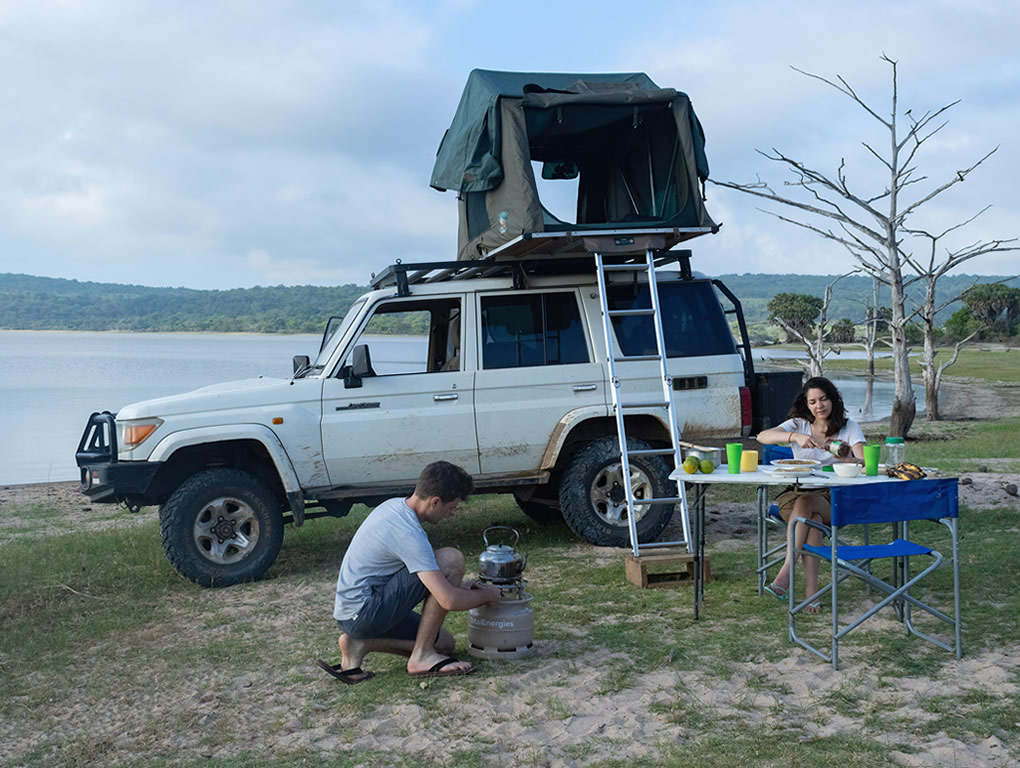
Car Rental in Uganda with rooftop tent in UgandaRooftop tent = sleeping. Camping gear = everything else you need for camping. You can hire either or both.

  • Rooftop tent: $20 per day for two people; dual tents sleep three to four.
  • Ground tent: $5 per day for two, with two foam mattresses.
  • Fridge: $10 per day.
  • Kitchen and camp kit: gas burner, pots, crockery, table, chairs, and lamps.
  • Recovery kit: traction boards, tow strap, and shovel on request.

Rooftop tents and camping gear are not covered by vehicle insurance. See Car Rental with Camping Gear Kenya.

Where you may camp

• Camp only at designated campsites: lakeside campsites, sites inside Hell’s Gate and at lodge and camp grounds. Bush camping is not permitted in the parks.

• Campsites charge a per-person, per-night fee, on top of park entry where applicable.

• Nights at altitude are cold. Bring warm layers and a good sleeping bag liner.

• Hippos graze near lakeside camps at night. Stay inside your tent after dark, and never keep food in it.

• Book ahead for weekends and school holidays.

Accommodation ranges from campsites and simple guesthouses to lodges beside the lake and hotels in town. Ask whether your chosen place welcomes self-drive guests and offers secure parking.

Self-Drive Naivasha Itineraries

1-Day Naivasha From Nairobi

  • Early: Leave Nairobi by 6:30 am; descend the escarpment.
  • Morning: Hell’s Gate: cycle, walk, or drive the main road.
  • Afternoon: Lakeshore lunch and a boat trip; return to Nairobi before dark.

2-Day Naivasha Weekend

  • Day 1: Mount Longonot hike in the morning; lakeside lunch; boat trip in the afternoon. Sleep by the lake.
  • Day 2: Hell’s Gate, then return to Nairobi or continue to Nakuru.

3-Day Rift Valley Lakes

  • Day 1: Lake Naivasha and Crescent Island.
  • Day 2: Hell’s Gate, then drive to Lake Elementaita and Nakuru.
  • Day 3: Lake Nakuru National Park; return by one-way arrangement.

4-Day Naivasha and the Maasai Mara

  • Day 1: Hell’s Gate and the lakeshore.
  • Day 2: Naivasha to Narok and the Mara gates (4 to 5 hours); afternoon game drive.
  • Day 3: A full day in the Mara.
  • Day 4: Return to Nairobi; return vehicle.

See also Kenya Safari Routes and our Self Drive Maasai Mara guide.

What Does a Self-Drive Trip to Naivasha Cost?

Self-drive is often cheaper than a guided trip, but not always. The vehicle, fuel, park fees, activities, and accommodation all add up.

Cost

Notes

Vehicle rental

Quoted per model, season, and length of hire in your written quotation.

Fuel

Paid by you. Planning figures: about 8 to 10 L/100 km (RAV4); 12 to 15 L/100 km (Land Cruiser). Nairobi to Naivasha and back is roughly 180 km.

Park entry

Hell’s Gate charges about USD 50 per non-resident adult and USD 25 per child, plus a vehicle fee.

Activities

Boat trips, bicycle hire, gorge guides, and Crescent Island are quoted locally.

Camping or lodging

Campsite fees are per person per night, while lodge and hotel rates are per room.

Add-ons

Rooftop tent: $20/day, ground tent: $5/day, fridge: $10/day, driver-guide: $40/day.

One-way fee

Route-specific, disclosed at booking.

Insurance

Vehicle cover is included, subject to excess; please arrange your travel and medical cover.

Worked Examples

Two adults, one day at Hell’s Gate: park entry 2 × $50 = $100, plus vehicle fee, fuel, any guide or bicycle hire, and the rental.

Two adults, Hell’s Gate and Lake Nakuru, over two days: 2 × $50 + 2 × $90 = $280, plus vehicle fees, fuel, accommodation, and the rental.

A couple on a four-day trip with a rooftop tent and fridge: add-ons 4 × $20 + 4 × $10 = $120, plus park entry, campsite fees, fuel, and the rental.

Self-drive versus guided: adding a driver-guide costs $40 per day. For first-time visitors, the guide often pays for itself in better sightings and less stress; for experienced drivers, self-drive offers freedom and value.

Renting a Vehicle for Self Drive Naivasha: The Essentials

The full details are on our car rental page. In brief:

Topic

What to know

Documents

Passport, valid driving license (international permit also accepted), booking confirmation, your own travel, and medical insurance.

Age

As stated in your written quotation, please provide your age and years of license when you inquire.

Deposit

$500 where requested, refundable at the end of the trip.

Insurance

Collision and theft cover, subject to excess: RAV4 $500, Prado TX/TZ $1,500, LX, V8, Hardtop & GX $2,000.

Not covered

Damage inside national parks, including wildlife collisions; off-track driving; tires; underbody; deep-water damage; night driving; tents and gear.

Mileage

Unlimited.

Fuel policy

You pay for fuel; no credit for unused fuel.

Additional drivers

Only named drivers may drive.

Daylight rule

Vehicles are on the road between 6:00 am and 7:00 pm.

Support

24/7 roadside assistance; mechanic targeted within 12 hours; replacement vehicle or compensation if repair is not possible.

Related: Long Term Car Rental Kenya, Car with Driver in Kenya, and the full terms.

One-Way Self Drive to and From Naivasha

Collect at one point and return at another, by arrangement: for example, collect in Nairobi, drive the Rift Valley, and return in Nakuru, or collect in Naivasha and finish at the Mara route or the coast. A route-specific one-way fee applies, disclosed in full at booking. Rooftop tents and camping gear are available on one-way hires.

Beyond Naivasha: Cross-Border Options

The highway west leads to Uganda, and the road south connects to Tanzania. By prior arrangement, you can drive our vehicles across the border with our consent; COMESA cover costs $50, and proof of exit is required (without it, a $400 surcharge applies). See Cross-Border Tanzania Car Rental and Car Rental Uganda.

Navigation, Communication, and Breakdown Support

  • Offline maps: download Naivasha and the Rift Valley before you leave.
  • Photograph park maps at the gates; a free backup that works without signal.
  • Mobile network: generally reliable around Naivasha. Carry a power bank and vehicle charger.
  • Tell us your plan: message us each evening with your location and next day’s route.
  • If you break down: call or WhatsApp us immediately, stay with the vehicle, and keep clear of animals. We arrange a mechanic, recovery, and, if needed, a replacement. Do not arrange your repairs.

What to Pack for a Self-Drive Trip to Naivasha

Category

Bring

Documents

Bring your passport, license, and international permit (if needed), as well as your booking confirmation, payment confirmation, and insurance papers.

Clothing

Layers (cool mornings), a warm jacket, rain gear, a hat, and comfortable walking and cycling shoes.

Navigation

Offline maps, paper maps, and our contact numbers.

Electronics

Phone, vehicle charger, power bank, and camera with spare batteries.

Food and water

Plenty of drinking water, snacks, and a cool box.

Outdoor equipment

Binoculars, bird book, daypack, sun cream, hat, and walking shoes for Longonot.

Camping equipment

Head torch, sleeping liner, warm layers, and towel.

Recovery items

Traction boards, shovel, and tow strap (please let us know if you would like us to add these).

Personal items

Medication, malaria prophylaxis, insect repellent, swimwear, and small notes of cash.

Self-Driver’s Checklist

  • Park fees are paid or loaded, and I know my gate and its opening hours.
  • I have a full tank, a spare tire, and, in the wet season, a recovery kit.
  • I have offline maps and a photograph of the park map.
  • I know to stay away from hippos on land and buffalo in the parks.
  • I will be at camp or lodge before dark.
  • I have saved the emergency contacts and our WhatsApp number.
  • I have read the rental terms, excess, and deposit.

Real Self-Drive Naivasha Examples

These are illustrative plans built from our routes and published prices. Vehicle rates, fuel, park fees, and accommodation are additional.

Traveler

Plan

Vehicle and add-ons

Published add-ons

Couple, 1 day

Nairobi to Hell’s Gate and the lake, return

RAV4

None required

Friends, 2 days

Longonot and Hell’s Gate

Land Cruiser with ground tent

2 × $5 = $10

Family of four, 3 days

Naivasha, Nakuru, Naivasha

Extended Land Cruiser with pop-up roof

None required

Photographers, 4 days

Hell’s Gate, then the Mara

Land Cruiser with rooftop tent and fridge

4 × ($20 + $10) = $120

Frequently Asked Questions About Self Drive in Naivasha

Can you self-drive in Naivasha?

Yes. The town, the lakeside road, Hell’s Gate, and Mount Longonot are all accessible by private vehicle.

Do I need a 4×4 in Naivasha?

You do not need a 4×4 for the highway or the lakeside road. A 4×4 is recommended for Hell’s Gate in the wet, the Aberdares and the Mara.

How far is Naivasha from Nairobi?

About 90 km, roughly one and a half to two hours by road.

How much does Hell’s Gate cost?

About USD 50 per non-resident adult per day and USD 25 per child, plus a vehicle fee.

Can I pay at the gate?

Parks are cashless. Pay through the authority’s approved channels, ideally in advance. Verify the current process before travel.

Can I cycle in Hell’s Gate?

Yes. Walking and cycling are permitted in much of the park. Keep your distance from buffalo and other large animals.

Do I need a guide for the gorge?

An accompanying guide is required, and the gorge is closed in or after heavy rain.

Can I drive through Hell’s Gate?

Yes. A road crosses the park from one gate to another. Stay on designated tracks.

Can I climb Mount Longonot?

Yes. It is a half-day hike with a crater rim circuit. Check the park’s current fees and hours.

Can I visit Crescent Island?

Yes, by boat, with access arranged in advance.

Are there hippos on land?

Yes, at night. Never walk beside the lake after dark.

What is the best time to go?

June to October and January to February for drier roads and comfortable weather.

Can I use a rooftop tent?

Yes, at $20 per day for two people. Camp only at designated sites.

Can I drive at night?

No. Our contract prohibits it, and the roads are unsafe after dark.

Is insurance included?

Yes, for collision and theft of the vehicle, subject to excess. It does not cover damage inside national parks, wildlife collisions, or tents or gear.

How much is the deposit?

$500 where requested, refunded at the end of the trip less any deductions.

Can I combine Naivasha with Nakuru or the Mara?

Yes. Many self-drive itineraries pair Naivasha with Lake Nakuru and the Maasai Mara.

Can I return the vehicle somewhere different?

Yes, you can return the vehicle at a different location by making a one-way arrangement, which includes a route-specific fee that will be disclosed at the time of booking.

Is self-drive better than a guided trip?

It depends. Self-drive offers freedom and value; a guide brings expertise and less stress. Many guests combine both.

What happens if my vehicle breaks down?

Call us. We provide 24/7 roadside assistance and arrange a mechanic and a replacement vehicle or compensation if repair is not possible.

Get Your Self-Drive Naivasha Quote

Step

What happens

1. Enquire

Send dates, group size, pick-up and drop-off points, and route to rent@carrental4x4.com or WhatsApp +256 701 893 844 / +256 777 131 912.

2. Quotation

A rental expert replies with a written quotation including the vehicle rate, add-ons, one-way fee, excess, and deposit.

3. Confirm

Pay by bank transfer or card (4% surcharge). Cancellations are in writing.

4. Collect

In Naivasha or at your chosen point, with a full handover and briefing.

5. Drive

24/7 support throughout.

6. Return

Inspection, deposit refund, and your lake story.

Contact: Contact page · rent@carrental4x4.com

Your Naivasha Drive, Handled

Somewhere ahead, the road crests the escarpment, and the whole valley opens: a bright lake, a gorge of red stone, and a hippo watching from the reeds. All that remains is for you to be there.

You have probably imagined this day for longer than you will admit. A cool morning on a bicycle among zebras. A long lunch beside the water. The slow drive home, with the valley turning gold behind you, was a quiet and uneventful part of the day. We have tried to make everything between that picture and the real thing as quiet and uneventful as possible.

Every detail is handled. Your vehicle is prepared, serviced and equipped, with recovery kit if you ask. Your route and timings are chosen with you. Excess, deposit, park rules, and breakdown steps are explained in plain figures before you sign. If a warning light appears on a quiet road, someone answers.

No decision is left to chance. That is not a promise that Africa will be predictable. It is a promise that you will not be the one left wondering.

When you’re ready, let us know your travel plans and how you’d like to arrive and leave. We will take it from there, gently and without obligation.

Begin planning your self-drive Naivasha journey: write to rent@carrental4x4.com or message us on WhatsApp at +256 701 893 844. We would be glad to hear from you.

Scroll to Top