You can collect a rental vehicle in Nairobi and return it in Malindi, so you drive the long road to the north coast once and never have to bring the car back. The route is roughly 550 to 600 km depending on whether you go through Mombasa or take the Mariakani to Kilifi shortcut, and it takes about nine to ten hours with stops. A one-way fee applies. Most travelers break the journey with a night at Tsavo (Mtito Andei or Voi), some turn the drive into a safari by crossing Tsavo East to the Sala Gate, which is the closest park exit to Malindi, and some stop at Mombasa or Watamu first. Car Rental 4×4 offers one-way drops at Malindi, Malindi Airport, Watamu, Kilifi, and Mombasa, subject to availability and notice of at least a week.
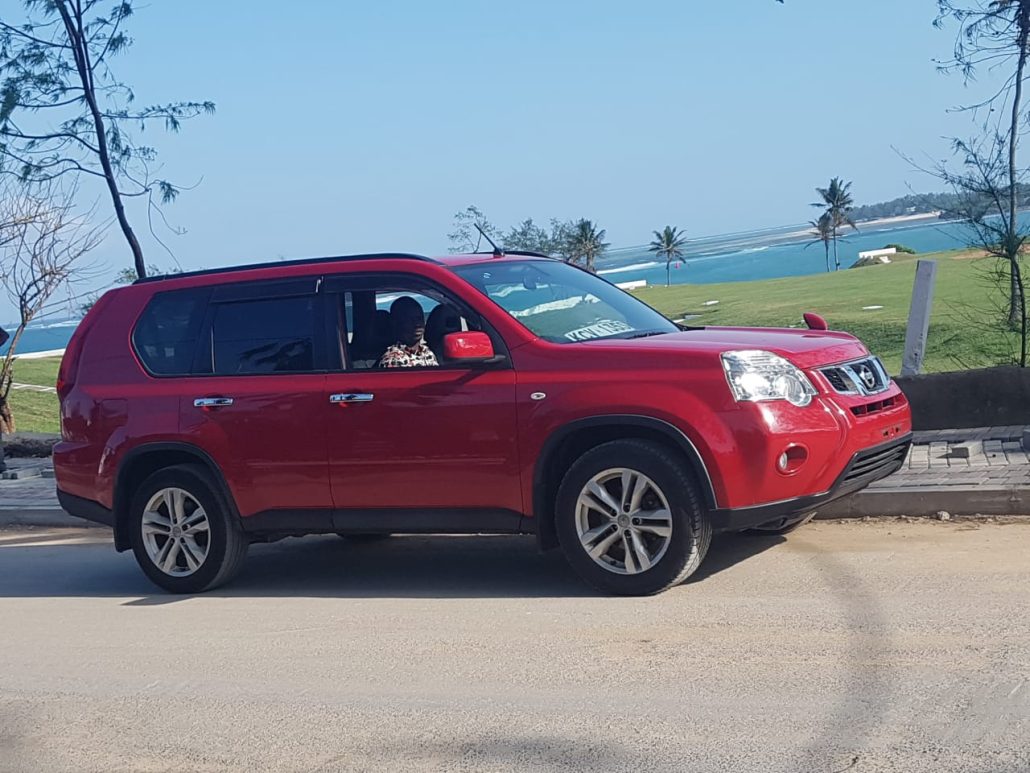
This page explains the route, the stops, the road conditions, the vehicle options, and the one-way fee factors, so it is useful even if you are still deciding how to get to Malindi. For other drop-off towns and for cross-border options, see our hub page on one-way car rental from Nairobi, and for neighboring routes, see our guides to one-way car rental from Nairobi to Watamu and one-way car rental from Nairobi to Mombasa. For the whole country, our Kenya travel guide covers entry rules, park fees, and the best places to visit.
How a Nairobi to Malindi One-Way Rental Works
You collect your vehicle at an agreed point in or near Nairobi, drive to Malindi, and return it at an agreed place there. We then take the vehicle back to Nairobi, which is why a one-way fee applies. Pick-up and drop-off times, places, and the fee are written into the rental agreement, so you know exactly what to expect.
- Pick-up: Nairobi, including the city and the airport area, by arrangement.
- Drop-off: Malindi town and beach hotels, Malindi airport, Watamu, Kilifi, and other agreed points, with Mombasa and the south coast available on request.
- Notice: at least one week, and earlier in peak seasons such as Christmas and New Year, Easter, and the July and August holidays.
- Mileage and fuel: agreed in advance, with the vehicle returned at the agreed fuel level.
- Return in the other direction: Malindi to Nairobi is also possible, where a vehicle is available.
Nairobi to Malindi: Distance, Time, and the Route
The journey follows the A109, also called Mombasa Road, as far as Mariakani, about 440 km from Nairobi. From there you have two choices. You can continue into Mombasa and then drive north on the Mombasa to Malindi road through Mtwapa, Kilifi, and Gedi, or you can take the Mariakani to the Kilifi road, which skips the island and joins the north coast road near Kilifi. Either way, you finish on the same coast highway that runs to Watamu and Malindi. The total distance is roughly 550 to 600 km, and most of it is a busy two-lane road that carries heavy trucks, with some dual carriageway near Nairobi. In good conditions the journey takes about nine to ten hours with stops, and on a holiday weekend or in heavy traffic it can take longer.
Section | Approx. distance from Nairobi | What you pass |
Nairobi to the Athi River and Mlolongo | About 20 to 30 km | Industrial belt, busy and slow at peak hours. The Nairobi Expressway toll road starts here. |
Machakos turn-off and Emali | About 100 to 160 km | Gateway to Amboseli via the Emali to Loitokitok road |
Sultan Hamud and Kibwezi | About 150 to 230 km | Farming towns, roadside fruit stalls, and fuel |
Mtito Andei | About 240 km | The halfway point and the gate to Tsavo West |
Voi | About 330 km | Gateway to Tsavo East and the Taita Hills |
Mariakani | About 440 km | Junction where you choose Mombasa or the shortcut to Kilifi |
Kilifi | About 500 to 560 km | Creek Bridge, shops, fuel, and the North Coast’s main town |
Gedi and Watamu turn-off | About 540 to 590 km | Gedi Ruins and Arabuko Sokoke Forest, and the road to Watamu |
Malindi | About 550 to 600 km | Beaches, the Vasco da Gama pillar, the marine park, and the airport |
Road, train, or flight?
Option | Time | Notes |
Self-drive on the A109 and the North Coast Road. | 9 to 10 hours with stops, longer in heavy traffic | Flexible, lets you stop in Tsavo or Amboseli, and carries luggage and camping gear |
Standard Gauge Railway (Madaraka Express) to Mombasa, then road | About 4.5 to 5 hours by train, then about 2 to 2.5 hours by car or transfer | Comfortable and predictable, but fixed stations and schedules, and you need a car or transfer for the last stretch. |
Flight to Malindi | About one hour and fifteen minutes in the air | Fastest, but you still need ground transport at both ends, and flight schedules change, so check which airlines currently operate the route. |
Times are approximate and depend on traffic, weather, and roadworks. Check for roadworks on the A109 and the North Coast Road before you go.
Three Route Options
Route | How it works | Best for |
Direct via Mariakani and Kilifi | A109 to Mariakani, then the Mariakani to Kilifi road, then north to Malindi, avoiding Mombasa Island | Drivers who want the quickest and least congested way to the north coast |
Via Mombasa | A109 to Mombasa, then the Mombasa to Malindi road through Mtwapa and Kilifi | Travellers who want to stop in Mombasa for lunch, Fort Jesus for a night, or drop a passenger |
Safari route via Tsavo East | A109 to Voi: enter Tsavo East at Voi Gate, drive through the park and leave at the Sala Gate, then continue to Malindi. | Travellers who want to turn the drive into a safari and see red elephants. Allow a full day in the park, pay park fees, and check that the Sala Gate road is open. |
Always ask us which route is best for your dates, vehicle, and the weather. The Tsavo East route is spectacular in the dry season, but tracks can become slow or impassable after heavy rain.
Road Conditions and Driving Tips for the Coast Road
- Leave early: aim to be on the road by 6 am so you clear the Athi River and Mlolongo before the worst traffic and reach the coast in daylight.
- Expect trucks: the A109 is Kenya’s main freight route, so overtaking can be slow and risky. Be patient, and only pass when the road ahead is clear.
- Avoid driving after dark, especially around Voi, Mariakani, and the north coast road, where unlit vehicles, motorbikes, pedestrians, and livestock are harder to see.
- Watch for wildlife near Tsavo: elephants and other animals sometimes walk near the road between Mtito Andei and Voi.
- Police checks: carry your license, International Driving Permit, rental agreement, and insurance papers, and slow down for speed checks and bumps in towns.
- Fuel up at Mtito Andei, Voi, Mariakani or Kilifi, and keep the tank above a quarter on the long stretches.
- Toll roads: the Nairobi Expressway charges a toll, and you may need an electronic payment method. Ask us before you leave.
- Kilifi bridge and north coast towns: expect slow traffic, boda-bodas, and pedestrians in Mtwapa, Kilifi, Mnarani, Gedi, and Malindi, so slow down in built-up areas.
- Holiday periods: the road is much busier around Christmas, Easter, and school holidays, so add extra time.
Local notes from our team
Best start time: leave Nairobi at 6:00 am if you want to reach Malindi in daylight with time for lunch on the way.
Best fuel and rest stops: Mtito, Andei, Voi, and Kilifi are the usual choices, and all have restaurants and shops.
Where drivers tend to struggle: slow-moving trucks on the climbs, speed bumps in towns, and the busy stretch through Mtwapa and Kilifi.
Arriving in Malindi: Plan your final turn to your hotel or the drop-off point before you arrive, since beach roads can be narrow.
Best Stops Between Nairobi and Malindi
The route is a long highway, but it passes the gateways to some of Kenya’s largest parks and some of its best coastal sights, which turns a long drive into a trip.
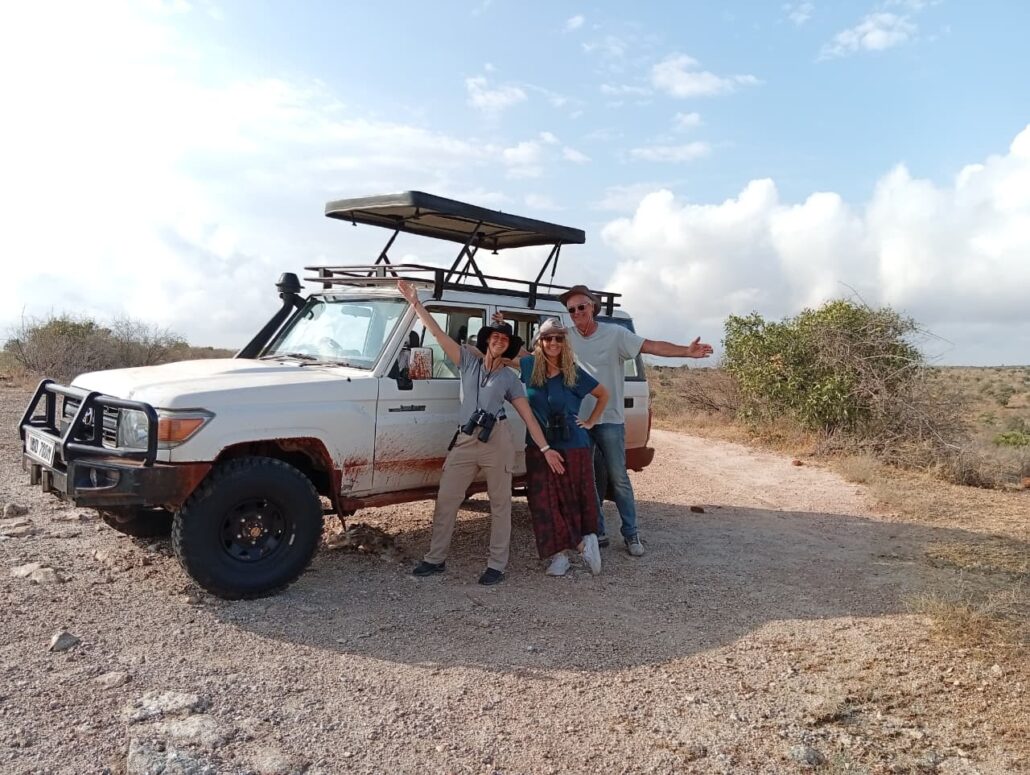
- Emali: the turn-off towards Amboseli, about 100 to 160 km from Nairobi. If you plan to add elephants and Kilimanjaro views, read our Amboseli National Park travel guide.
- Mtito Andei: the halfway point and the main gate to Tsavo West, with Mzima Springs, the Shetani lava flow and the rhino sanctuary. See our Tsavo West National Park travel guide.
- Voi: the gateway to Tsavo East, known for red elephants and wide plains, and a good night stop. See our Tsavo East National Park travel guide.
- Fruit and roadside stalls: Kibwezi and other towns sell fresh mangoes, oranges, and snacks, which make a pleasant break.
- Mariakani: a junction town, useful for fuel before the final stretch.
- Kilifi: a creek town with a bridge, markets and restaurants, and a pleasant place to rest.
- Gedi Ruins and Arabuko Sokoke Forest: a mysterious Swahili ghost town in the forest, a short drive south of Malindi, and a rich birding area.
- Watamu: a relaxed beach village with a marine park, about 20 to 30 minutes before Malindi. See our guide to one-way car rental from Nairobi to Watamu.
- Nairobi first: if you are starting your trip in the capital, consider a morning game drive in the city before you set off, as explained in our Nairobi National Park travel guide.
Three Ways to Do the Trip
Two days: break the journey in Tsavo.
- Day 1: leave Nairobi early, arrive at Mtito Andei by midday, take an afternoon game drive in Tsavo West, and stay inside or beside the park.
- Day 2: a morning drive, then continue through Voi and Mariakani to Kilifi and Malindi, arriving by late afternoon.
Two days: one night on the road, then the beach
- Day 1: Nairobi to Voi, with a lunch stop at Mtito Andei, and a night near Voi.
- Day 2: Voi to Mariakani, the shortcut to Kilifi, and on to Malindi by mid-afternoon, leaving time for the beach.
Three to five days: safari and beach
- Day 1: Nairobi to Amboseli via Emali.
- Day 2: a dawn game drive in Amboseli, then on to Tsavo West or Voi.
- Day 3: Tsavo East, leaving by the Sala Gate towards Malindi, then on to your beach hotel.
- Days 4 and 5: Malindi Marine National Park, Gedi Ruins, Watamu and beach time, with the vehicle returned in Malindi or Watamu.
Our Kenya safari routes guide describes the Safari and Beach circuit in more depth, including park choices and overnight options.
Choosing the Right Vehicle for the Coast Road
If you want… | Choose | Why |
Independence and flexible stops | A self-drive 4×4 | Cope with the A109, the north coast road, and park tracks if you add Amboseli or Tsavo. |
Wildlife viewing and photography on the way | Everyone can stand and photograph from inside the vehicle in the parks. | |
A relaxed trip with no driving stress | The guide handles the long drive, the gates, and the coastal traffic. | |
To camp in Tsavo or at the coast | Campsites need your own equipment, and a rooftop tent saves lodge costs. | |
A simple city-to-coast drive on tarmac | A compact SUV or saloon | Lower rate and better fuel economy if you stay on the highway |
If you are starting your trip in Nairobi, compare options on our car rental Nairobi page. A rooftop tent adds height and weight, so drive carefully under low branches and expect slightly higher fuel use.
One-Way Fee and Price Factors
The one-way fee covers the cost of returning the vehicle to Nairobi, and it is quoted in writing before you pay. We do not publish a flat price because it depends on the factors below.
Factor | How it affects the cost |
Vehicle | A pop-up roof or rooftop tent vehicle costs more to bring back than a standard 4×4 or saloon |
Travel dates | Christmas, Easter and the mid-year school holidays push the fee up and thin out availability |
Where you finish | Malindi is further than Mombasa or Watamu, so the fee is usually higher than for those drops |
Length of hire | Extra days at the coast or in Tsavo can lower the average daily cost, even with the fee on top |
Driver-guide | Quoted per day, with the guide’s meals and lodging arranged beforehand |
Mileage and fuel | Check for a mileage cap, and agree the fuel level for the handover |
Tolls and parking | Not included, and likely on the Nairobi Expressway and in coast towns |
Park fees | Not included if you cross Tsavo East or visit Malindi Marine National Park, and charged per person and per vehicle |
Insurance excess | Standard excess applies, and waivers can be void if you skip the police report after an incident |
Time of handover | Agreed windows go into the agreement, and out-of-hours handovers may carry a surcharge |
Tip: flexible dates and a mid-week start can improve availability and cost, particularly in peak season.
Drop-Off Points in Malindi and Along the Coast
Drop-off | Approx. time from Malindi | Good to know |
Malindi town and beach hotels | In Malindi | The standard drop. Confirm the exact hotel or parking area, since beach roads can be narrow |
Malindi airport | About 10 to 15 minutes | Suits travellers flying out of Malindi or on to Lamu |
Watamu | About 20 to 30 minutes | Beach hotels and the marine park. See our guide to one-way car rental Nairobi to Watamu |
Gedi and Arabuko Sokoke area | About 20 to 30 minutes | Useful if you are staying near the forest or the ruins |
Kilifi | About 1 hour | A creek town on the main coast road |
Mtwapa and the Nyali, Bamburi area | About 1.5 to 2 hours | North of Mombasa, with beaches and resorts |
Mombasa and Moi International Airport | About 2 to 2.5 hours | Good if you are flying out of Mombasa. See our guide to one-way car rental Nairobi to Mombasa |
Diani and the south coast | About 3 to 3.5 hours, including the Likoni ferry or the Dongo Kundu bypass | See our guide to one-way car rental Nairobi to Diani |
What to Do in Malindi: Why the Drive Is Worth It
Malindi is one of Kenya’s oldest coastal towns, a long stretch of beaches and a lively old quarter, with a mix of Swahili, Arab, Portuguese and Italian influences. It is bigger and busier than Watamu, and it makes a good base for history, marine life and day trips.
- Vasco da Gama Pillar: a coral-stone cross on a headland, a landmark linked to the explorer’s 15th-century visit, with views over the ocean.
- Malindi Marine National Park and Reserve: coral gardens, snorkelling and glass-bottom boat trips. KWS lists a non-resident marine park fee of US$25 for adults and US$15 for children, and boat trips are charged separately. Confirm the current fee on the KWS portal before you go.
- Old town and museum: a Portuguese chapel, mosques, the Malindi Museum and small markets.
- Gedi Ruins and Arabuko Sokoke Forest: a Swahili town abandoned in the 17th century and Kenya’s largest coastal forest, with rare birds, butterflies and small mammals, a short drive south.
- Watamu: turtle conservation, Mida Creek and a quieter beach scene, about 20 to 30 minutes south.
- Marafa Depression (Hell’s Kitchen): a striking eroded sandstone canyon inland from Malindi, best at sunset, usually visited on a half-day trip with a local guide.
- Sabaki River mouth and birdwatching: wetlands and shorebirds north of town.
- Water sports and fishing: snorkelling, diving, kite surfing, windsurfing and deep-sea fishing, with seasons that vary.
- Food and nightlife: seafood, Italian restaurants and beach bars, a legacy of Malindi’s long-standing Italian community.
Beyond Malindi: Lamu, Mombasa and Tanzania
From Malindi, some travellers fly to Lamu, since Lamu is a car-free island reached by boat or air, and the road north of Malindi crosses areas where current government travel advice applies. Please ask us before you plan any drive north of Malindi. Others return south to Watamu, Mombasa and Diani, and some continue to Tanzania through Lunga Lunga and Horohoro to Tanga, which needs cross-border paperwork, a Tanzanian visa and Tanzania’s mandatory insurance. See our cross-border car rental from Kenya page and our Tanzania safari routes guide. You can also start in Malindi and drop in Nairobi, and our hub page on one-way car rental from Nairobi explains the reverse routes and the cross-border options.
Best Time to Do the Nairobi to Malindi Drive
The road can be driven all year. The long rains from March to May can cause slower traffic, washouts and slippery patches, and the short rains in November and December bring brief showers. The coast is hot and humid throughout the year, with calm, clear water usually from about October to March and a windier, cooler season from about June to October that suits kite surfing. Public holidays and school breaks bring heavy traffic, so avoid the busiest days if you can.
- For clear roads: weekdays outside school holidays.
- For snorkelling and calm seas: about October to March.
- For kite surfing: the windier months from about June to October.
- For Tsavo and Amboseli wildlife: the dry seasons.
- For lower rates: shoulder-season travel, though April and May bring heavy rain.
Documents and Requirements

- Driving licence and International Driving Permit: carry both, plus your passport.
- Rental agreement and insurance papers: keep them in the vehicle at all times.
- Credit card: in the main driver’s name, for the deposit.
- Kenya entry paperwork for overseas visitors: an eTA and, for most travellers, Kenya’s mandatory inbound health insurance, bought through the eTA process or eCitizen. Check the official portal on the day you apply, because rules and premiums have changed since launch.
- If you continue to Tanzania: a Tanzanian visa, Tanzania’s inbound travel insurance, a letter of authority and the regional vehicle insurance.
- Park fees: carry a card or mobile money, since KWS has been moving to cashless payment.
- Health bulletins: check current Ministry of Health and embassy notices before departure, because health screening is in place at some airports and borders in the region.
How to Book Your One-Way Rental
- Pick your finish line: Malindi, Malindi airport, Watamu, Kilifi, Mombasa or another coast point.
- Pick the vehicle that suits your stops, from a self-drive 4×4 to a pop-up roof vehicle, a driver-guide, or camping gear.
- Send us your dates and stops, such as Amboseli, Tsavo East or Gedi, a week or more before collection.
- Review the itemised quote with the one-way fee, insurance and extras.
- Get your paperwork ready: licence, IDP and any entry authorisations.
- Collect and inspect the vehicle with us, and save our 24-hour contact.
- Hand it back at the agreed place and time, and keep the handover note.
Nairobi to Malindi One-Way Rental Frequently Asked Questions
Can I rent a car in Nairobi and drop it in Malindi?
Yes. A one-way rental lets you collect in Nairobi and return the vehicle in Malindi, subject to availability, notice and a one-way fee.
How far is Nairobi from Malindi by road?
Roughly 550 to 600 km, depending on whether you go through Mombasa or take the Mariakani to Kilifi shortcut.
How long does the drive take?
About nine to ten hours with stops, and longer in heavy traffic or on busy holidays.
Is it better to drive, take the train or fly?
Driving gives you flexibility, luggage space and safari stops. The Madaraka Express reaches Mombasa in about 4.5 to 5 hours, but you still need a car or transfer for the last two to two and a half hours. A flight to Malindi takes about an hour and a quarter, so check current schedules.
Can I stop in Tsavo or Amboseli on the way?
Yes. Mtito Andei and Voi are the gates to Tsavo West and Tsavo East, and the Emali turn-off leads to Amboseli.
Can I cross Tsavo East and exit near Malindi?
Yes, on the Tsavo East route that leaves by the Sala Gate, subject to park fees, track conditions and gate access. Ask us before you plan it.
Is there a one-way fee?
Yes. The fee depends on the vehicle, season and drop-off point, and we quote it in writing before you pay.
How much notice do you need?
At least one week, and more for Christmas, Easter and school holidays.
Can I drop the vehicle at Malindi airport?
Yes, by arrangement. It suits travellers flying out of Malindi or on to Lamu.
Can I drop the vehicle in Watamu, Mombasa or Diani instead?
Yes. Watamu and Kilifi are on the way, and Mombasa and Diani are available on request. Diani involves the Likoni ferry or the Dongo Kundu bypass.
Is it safe to drive from Nairobi to Malindi?
The route is widely driven. Leave early, avoid night driving, keep your distance from trucks, and follow normal precautions.
Do I need a 4×4?
A 4×4 is not essential on the highway, but it is useful if you add park tracks in Amboseli or Tsavo, or want to cross Tsavo East.
Can I take camping gear or a rooftop tent to the coast?
Yes, and it is a popular choice if you plan to camp in Tsavo. The kit is listed in your paperwork and stays with the vehicle.
Can I pick up in Malindi and return in Nairobi?
Yes, where a vehicle is available.
Can I drive from Malindi to Lamu?
Lamu is a car-free island, and the road north of Malindi crosses areas where current travel advice applies. Ask us before planning any drive north, and consider flying from Malindi.
Get a One-Way Quote: Nairobi to Malindi
Tell us your travel dates, group size and whether you want a direct drive, a Tsavo stopover, a Tsavo East safari crossing or a longer safari and beach trip. We will recommend the vehicle, confirm the one-way fee and the drop-off point, and send an itemised quote before you commit.