Self Drive Arusha | Safari Rules & 4x4 Hire
“How to drive yourself from Arusha, the gateway to Tanzania’s northern safari circuit: every mandatory Tanzania travel rule, the new travel insurance, driving and park rules, five roads out of town, every northern and southern park from one rental, drop-offs across Tanzania, Kenya, Uganda, and Rwanda, plus rooftop tents, camping gear, and one-way and long-term 4×4 hire“
Can you self-drive from Arusha? Yes. Visitors can drive themselves to Arusha National Park, Tarangire, Lake Manyara National Park, and the Ngorongoro Crater Rim, and then to the Serengeti National Park with careful planning and, with overnight stops, to the southern parks. Walking on Kilimanjaro or Mount Meru needs a registered guide
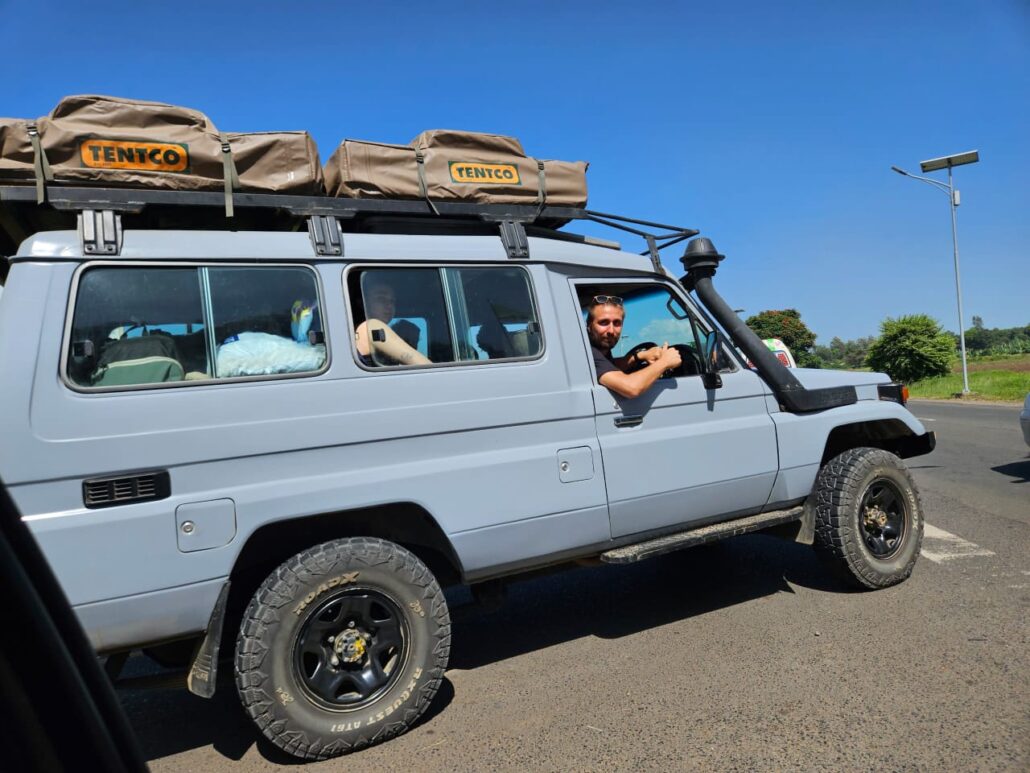
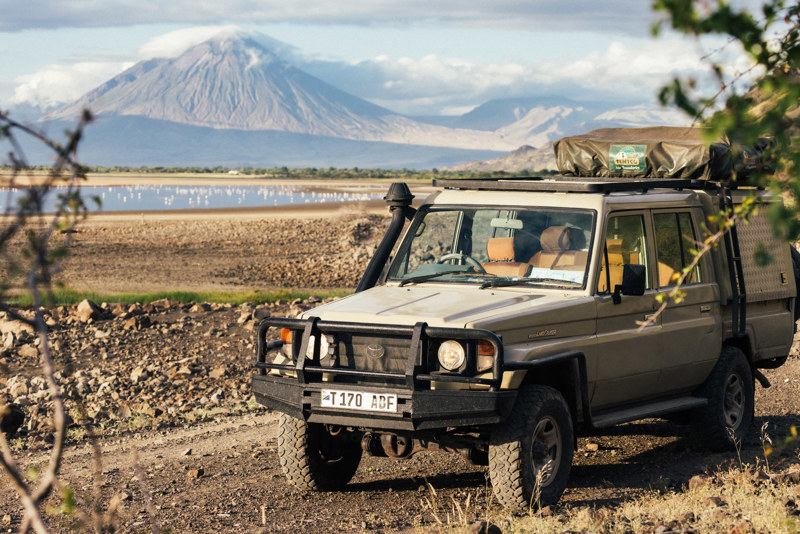
Arusha wakes early, and so should you. Before the first minibus horn, Mount Meru stands over the city like a held breath, and beyond the last roundabout, the road splits five ways: east to Kilimanjaro, west into the Rift Valley, south-west to the baobabs of Tarangire, north to the Maasai plains and the Kenyan border, and, a few kilometres out of town, into a national park of its own. A rented 4×4 self drive car from Arusha turns that fork in the road into a choice that is entirely yours. Arusha is where Tanzania’s northern safari circuit begins, and for a self-driver it is the best place to begin it: the parks are close, the supplies are in town, and one rental can carry you from the slopes of Meru to the southern parks, or across the border into Kenya, Uganda and Rwanda.
Tanzania also has its own mandatory rules, and several changed recently. From 1 October 2026, most foreign visitors entering mainland Tanzania must hold a mandatory inbound travel insurance policy before they arrive. Learn how self-drive works from Arusha, including the five roads out of town, how to reach all the northern and southern parks from one rental, where to collect and drop off across Tanzania and into Kenya, Uganda, and Rwanda, where to sleep, one-way Tanzania rental, long-term Tanzania rental, rooftop tents, and camping gear, and sets out all the mandatory travel rules for Tanzania in one place: entry and visa requirements, the new insurance rule, health requirements, driving rules, park rules, the Kilimanjaro rules, and cross-border rules. Please read them before you book.
Self Drive Arusha at a Glance
New from 1 October 2026: most foreign visitors entering mainland Tanzania must hold the government’s mandatory inbound travel insurance, about USD 44 per adult, bought from the National Insurance Corporation (NIC). Arriving without it may mean being refused entry. See the section below. Also required: a passport valid for at least six months, a visa or e-visa (unless exempt), and a yellow fever certificate if you arrive from or via a yellow fever risk country, including Kenya.
Foreign vehicle fees: privately owned foreign-registered vehicles that are allowed into the parks pay a much higher vehicle fee, reported at about USD 150 per day against roughly USD 10 for Tanzanian-registered vehicles. Driving: Tanzania drives on the left. Carry your home license and an International Driving Permit (strongly recommended). Speed limits are strictly enforced by the traffic police. How hard is Self drive in Arusha? The roads out of Arusha are paved and busy, with minibuses, motorbikes, speed bumps, and police checks, and the road west is paved to the Ngorongoro gate. Park tracks are rough and slick in the rains. Start with Arusha National Park or Tarangire, and consider a driver guide for the Serengeti National Park and the crater. Best vehicle: a 4×4 with high clearance, such as a Land Cruiser or Hilux, for the parks and the Rift Valley tracks. A RAV4 manages the paved roads. Park fees: about USD 59 at Arusha National Park, Tarangire National Park, and Lake Manyara National Park; about USD 70.80 at Ngorongoro (plus about USD 295 per vehicle for the crater); and about USD 82.60 at the Serengeti, per adult per 24 hours, cashless. Driver-guide: optional, from $40 per day. Also from Arusha: rooftop tent hire, full camping gear, one-way Tanzania rental (fee from $50 up to $600, quoted per route), and long-term rental. Five roads out of town: east to Moshi and Kilimanjaro, west to the Rift Valley and the Serengeti, southwest to Tarangire, north to Namanga and Lake Natron, and close to town, Arusha National Park. See the switchboard section. Every park from one rental: the northern parks are 30 minutes to 7 hours away, and the southern parks (Mikumi, Udzungwa, Saadani, Nyerere) are two days south via Dodoma or Chalinze. Rent in Arusha; drop almost anywhere: Kilimanjaro Airport, Moshi, Dodoma, Morogoro, Tanga, Dar es Salaam, and Mwanza, and by arrangement Nairobi, Mombasa, Kampala, and Kigali. Two airports: Arusha Airport (ARK) for light aircraft and domestic flights, and Kilimanjaro International Airport (JRO), about 50 km away. Daylight only: our vehicles are on the road between 6:00 am and 7:00 pm. Deposit and excess: $500 security deposit where requested; excess $500 (RAV4), $1,500 (Prado TX/TZ), and $2,000 (LX, V8, GX). Mileage and support: unlimited mileage and 24/7 roadside assistance. Request a quote or write to rent@carrental4x4.com. |
Find What You Need on This Page
I want to | Go to |
See where the roads out of Arusha lead. | The Arusha Safari Switchboard, and the Arusha Hub |
Reach every northern and southern park. | The Arusha Hub: Every Northern and Southern Park From One Rental |
Know where to collect and return the car. | Pick-Up and Drop-Off Points in Arusha and One-Way Tanzania Car Rental from Arusha |
Find where to sleep. | Where to Sleep: Arusha and the Northern Circuit |
Prepare for a safari in town. | Your Pre-Safari Prep Day in Arusha |
Understand the rules and paperwork | The Tanzania Pre-Travel Checklist and the mandatory rules sections |
Plan the days and the cost. | Arusha Self Drive Itineraries, and How Much Does a Self Drive From Arusha Cost? |
Tanzania Pre-Travel Checklist: What You Must Have Before You Fly
Item | Requirement | Notes |
Mandatory travel insurance | NIC inbound travel insurance (about USD 44 for adults, USD 22 for children 3 to 17, and infants free), valid up to 92 days | Buy online before travel; keep the certificate on your phone and in print. Separate from your own insurance |
Passport | Valid for at least six months from arrival, with a blank page | Check the date before you book. |
Visa or e-visa | Required for most nationalities; apply through Tanzania Immigration. | Fees are typically about USD 50 for a single entry. Multiple-entry visas are not available on arrival. |
Yellow fever certificate | Required if you arrive from or via a risk country, including Kenya | Carry the original yellow card; vaccinate at least 10 days before |
Driving license and permit | Home license plus International Driving Permit | Commonly accepted for up to 90 days; longer stays may need a Tanzanian license. |
Your own travel insurance | Medical and evacuation cover | Our vehicle insurance does not cover people. |
Park payments | Cashless, by card, smart card, or the official portal | Keep proof of payment on your phone and in print. |
Vehicle registration | A Tanzanian-registered rental for the parks | Kenya-registered tourism vehicles are not allowed in the parks |
Tanzania Mandatory Travel Rules: Entry, Health and Insurance
Entry rules change often, and the insurance rule is new. This section sets out the main requirements for visitors entering mainland Tanzania. Check the official Tanzania Immigration, National Insurance Corporation, and Ministry of Health sources, and your own government’s travel advice, before you travel.
Mandatory Inbound Travel Insurance (From 1 October 2026)
Question | Answer (as of 21 October 2026) |
What is it? | Mandatory inbound travel insurance for foreign visitors entering mainland Tanzania by air, sea, or land, under the Insurance (Inbound Travel Insurance) Regulations, 2026 (Government Notice No. 256 of 2026) |
When did it start? | 1 October 2026. Zanzibar has had its own scheme since 1 October 2024. |
Who must buy it? | Eligible foreign visitors. Citizens and residents of East African Community (EAC) and Southern African Development Community (SADC) countries are reported as exempt. Check your own status. |
What does it cost? | Adults 18 and over: USD 44. Children 3 to 17: USD 22. Infants 0 to 2: free. Groups of 10 or more adults: 10% discount on the adult premium |
How long is it valid? | Up to 92 days, including multiple entries. Longer stays need a new policy. |
What does it cover? | Emergency medical treatment, emergency medical evacuation, emergency repatriation, and loss of luggage |
Where do I buy it? | From the state-owned National Insurance Corporation (NIC), if your first point of entry is mainland Tanzania, through its official portal. If your first point of entry is Zanzibar, buy from the Zanzibar Insurance Corporation (ZIC). Buy only from official sites. |
Buy before or at the border? | Online before you travel is strongly recommended. The certificate is issued within minutes of payment. Some reports say it can also be bought at the point of entry. |
Mainland and Zanzibar together? | Only one policy is needed, based on your first point of entry. |
Is my own travel insurance enough? | No. The policy is a separate government entry requirement and is not replaced by private travel or medical insurance. Keep your own cover as well. |
What if I arrive from Kenya by road? | Your first point of entry into Tanzania is the land border, for example, Holili (Taveta) or Namanga, so you need the NIC policy before you cross. |
What if I do not have it? | Visitors subject to the rule who arrive without valid insurance may be denied entry. |
Earlier Zanzibar policies | A ZIC policy bought and fully paid before 1 October 2026 remains valid, even if your trip begins on the mainland. |
Other Entry Requirements
Requirement | What applies |
Passport | Valid for at least six months from your date of arrival, with at least one blank page. Emergency travel documents may be accepted with six months’ validity. |
Visa | Most nationalities need a tourist visa. Apply for an e-visa through the official Tanzania Immigration portal before you travel, or get a single-entry visa on arrival at major entry points. Fees are typically USD 50 for a single-entry tourist visa and USD 100 for multiple entries for some nationalities. Multiple-entry visas are not available on arrival. EAC citizens are exempt. |
Yellow fever | A valid International Certificate of Vaccination (the yellow card) is required if you arrive from, or transit through, a yellow fever risk country. Kenya is a risk country, so visitors arriving from Kenya are usually asked for it. Some sources report stricter checks for all arrivals. Vaccinate at least 10 days before travel and carry the original certificate. |
Onward ticket and funds | Be ready to show a return or onward ticket, proof of accommodation, and sufficient funds. |
Arrival card | The online arrival card is reported as no longer mandatory; check before you travel. |
Malaria | Not an entry rule, but malaria is present in northern Tanzania. Take medical advice about prophylaxis, and bring repellent. |
Customs and plastic | Tanzania restricts single-use plastic carrier bags; do not bring them in. Drones need prior authorization and are not allowed in the parks. |
Photography and conduct | Do not photograph airports, government buildings, military sites, or police (always ask before you take photos). Dress modestly in towns and carry your passport or a certified copy. |
Money | Tanzanian shillings are used locally; US dollars are widely accepted. Bring US dollar notes that are recent and undamaged (from 2009). Cash is not accepted at park gates |
Rules differ by nationality, and the insurance rule has only just begun. Check the official Tanzania Immigration and NIC portals, and your own government’s travel advice, before you travel. We cannot buy the policy or the visa on your behalf.
Can You Self-Drive From Arusha?
Yes. Arusha is the easiest place in Tanzania to start a self-drive safari: it has two airports within reach, the widest choice of vehicles and supplies, and a paved road to the gate of almost every northern park. What changes from one park to the next is not whether you may drive, but how much planning each one needs.
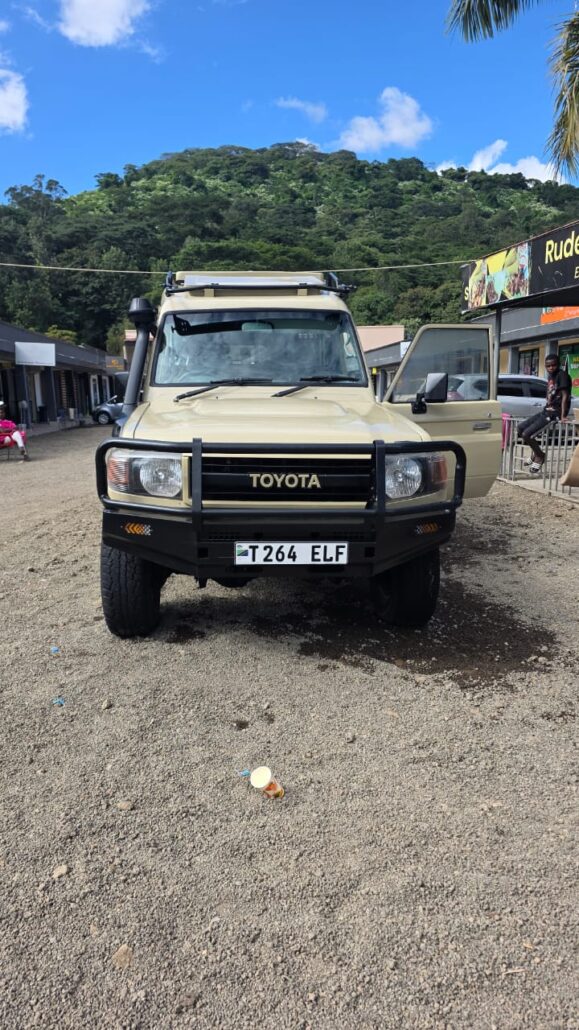
Arusha National Park, Tarangire National Park, and Lake Manyara National Parks are confident self-drivers. The Serengeti is possible with careful planning. The floor of the Ngorongoro Crater needs a licensed guide (although some experienced clients can manage driving through) or ranger in your vehicle, and Kilimanjaro and Mount Meru need registered guides on foot.
Who Can Rent a Car and Drive in Tanzania?
Any hirer who holds a valid driving license, presents a passport, signs the rental agreement in person, and is named as a driver. Only named drivers may drive, and the vehicle may not be sublet. Minimum age and license-tenure requirements are stated in your written quotation.
What Documents Do You Need?
- Passport valid for at least six months, with a visa or e-visa unless you are exempt.
- Proof of Tanzania’s mandatory inbound travel insurance (the NIC certificate, or ZIC if you entered through Zanzibar).
- Yellow fever certificate if you arrive from or via a risk country.
- A valid driving license from your home country and an International Driving Permit.
- Booking confirmation and the signed rental agreement.
- Security deposit, where requested.
- Proof of payment for any park tickets.
- Your own travel, medical, and life insurance. Our vehicle insurance does not cover personal injury.
Do You Need an International Driving Permit?
A valid license from your country of origin works best, and an International Driving Permit is strongly recommended and often requested by rental companies. It is required if your license is not in English or the Latin alphabet. Carry it alongside your license, never instead of it. Visitors commonly drive on a home licence and permit for up to 90 days, while some official advice requires a Tanzanian licence for stays over six months, so check the current rule for your stay.
Tanzania Mandatory Driving and Car Rental Rules
If you rent a car in Arusha, these rules apply to you from the moment you leave the yard. The traffic police are visible and strict, especially on the roads between Kilimanjaro Airport, Arusha, Moshi, and Namanga.
Topic | What applies |
Side of the road | Traffic drives on the left. |
License | Carry your valid home license and an International Driving Permit (strongly recommended). Visitors may commonly drive on these for up to 90 days; some official advice requires a Tanzanian license for stays over six months. Check the current rule for your stay. |
Hirer | Hirers must be named on the rental agreement, present a passport and license, and sign in person. Only named drivers may drive. Minimum age and license tenure are in your quotation. |
Documents to carry | Passport (or a certified copy), driving license and permit, rental agreement, vehicle registration and insurance papers, and your park receipts. Police checkpoints are common. |
Speed limits | Typically 50 km/h in built-up areas (many rental firms advise 40 km/h in towns and villages) and 80 km/h on open roads. There are no motorways. Safari vehicles are often treated like trucks. Follow every posted sign and watch for unmarked speed bumps at town entrances. |
Enforcement | Speed checks and roadblocks are frequent, and on-the-spot fines are common. The hirer pays all fines and tickets. |
Seat belts | Compulsory for front-seat occupants, and we require them for everyone. |
Phones | Do not use a hand-held phone while driving. |
Alcohol and drugs | Drink-driving is strictly enforced (a blood alcohol limit of 0.08 g/dl or lower). Our contract prohibits any driving under the influence. |
Safety equipment | Carry reflective triangles and a high-visibility vest. We supply them. |
Night driving | Prohibited under our contract. Our vehicles are on the road between 6:00 am and 7:00 pm. Roads are poorly lit, and hazards are hard to see. |
Accidents | Stop, call us immediately, take photographs, and obtain a police report. Do not leave the scene or arrange repairs yourself. The report is needed for any insurance claim. |
Third-party insurance | All vehicles must carry valid third-party liability insurance. Ours is supplied with the vehicle. See the insurance section. |
Vehicle limits | Do not sublet the vehicle, drive in restricted areas, or drive off-track in parks. |
Self-Drive Readiness Check: Are You Ready?
Answer these honestly. Each “no” is not a reason to stay at home, only a reason to change the plan.
Ask yourself | If the answer is no |
Are you comfortable driving on the left in busy traffic with minibuses, motorbikes, and pedestrians? | Take a driver guide for the first day, or collect it at the airport and head straight out of town. |
Have you driven on murram, sand, or rocky tracks in a 4×4? | Choose a 4×4, and consider a driver-guide for the Serengeti or the Ngorongoro Crater. |
Can you plan around a 6:00 am to 7:00 pm driving window and park gates that close at 6:00 pm? | Choose a shorter route and stay closer to Arusha. |
Do you have a valid license, an International Driving Permit, your passport, and the mandatory Tanzania insurance? | See the checklist near the top of this page before you book. |
Are you happy to fill the tank, carry water, and manage without fuel inside parks? | Use the fuel and services guide on this page and fill it out in every large town. |
If you cross a border, have you arranged written approval, cross-border cover, and visas for each country? | Ask us before you book; no border can be crossed without our written approval. |
Do you know who to call if something goes wrong, including after an accident? | Save our roadside assistance number before you leave the yard |
Your First Self-Drive: From Arusha Airport, Kilimanjaro Airport, or Arusha Town
Kilimanjaro International Airport is about 50 km from Arusha on the paved A23, usually 45 to 60 minutes and longer at rush hour. Arusha town is the harder to drive: narrow streets, roundabouts, and constant minibus and motorbike traffic. Take it in steps.
- Inspect and photograph the vehicle. Walk around it with our team, photograph every panel, wheel, and windscreen, and check the spare, jack, and tools.
- Set up before you move. Adjust the seat and mirrors, mount your phone, download offline maps, and save our roadside number.
- Leave in the quiet hours. Arusha is busiest from about 7:00 to 9:00 am and 4:30 to 7:00 pm. A mid-morning start is gentler.
- Drive on the left and give way at roundabouts. Traffic already on the roundabout has priority. Minibuses stop without warning, and motorbikes weave between lanes.
- Respect speed limits and bumps. Speed cameras, police checks, and speed bumps are common on the road to Moshi, in villages, and at town entrances.
- Practice in the first hour. Drive a short, quiet route first, such as towards Lake Duluti or the Arusha National Park road, before any long leg.
- Fill the tank and shop before you leave town. Fuel, water, and food are easiest to find in Arusha.
- Reach your first gate or bed in daylight. Our vehicles are on the road only between 6:00 am and 7:00 pm.
Park securely. Choose a hotel or campsite with secure parking, and never leave bags visible in the vehicle
The Arusha Safari Switchboard: Five Roads Out of Town
Most self-drive pages start with a list of parks. Arusha is better understood as a junction. Five roads leave the city, and each one is a different kind of trip. Choose your road first, then your park.
Road | Where it leads | Time and best for |
East: the A23 to Moshi | Kilimanjaro Airport, Moshi, the Kilimanjaro gates, Mkomazi, and, beyond, the road to Dar es Salaam | JRO about 50 km; Moshi about 80 km (around 1.5 hours). Best for the mountain, coffee farms, and the road south |
West: the A104 into the Rift Valley | Makuyuni, Mto wa Mbu, Lake Manyara, Karatu, Ngorongoro, and the Serengeti National Park | Manyara is about 2 hours; Ngorongoro Gate is about 3.5 to 4 hours; and Naabi Hill Gate is 6 to 7 hours. |
South-west: the Makuyuni junction | Tarangire, then Babati and the road to Dodoma and the southern parks | Tarangire is about 2 to 2.5 hours away. Best for elephants and a long loop south |
North: the A104 to Longido and Namanga | Kenya’s Namanga border, Amboseli, Longido, and the Lake Natron routes | Namanga is about 110 km (around 2 hours); Lake Natron is 5 to 7 hours on rough tracks. |
Close to town | Arusha National Park, Mount Meru’s slopes, Lake Duluti, and the coffee farms | 30 to 60 minutes. Ideal for a first day or a half-day outing |
Why Arusha Works as a Hub
- The northern parks begin here. Arusha National Park, Tarangire, Manyara, Ngorongoro, and the Serengeti are all reached on paved roads that start in town.
- Everything is in one place. Fuel, banks, supermarkets, hospitals, mechanics, and parts are easier to find here than anywhere else on the circuit.
- Two airports. Collect on arrival at Arusha Airport or Kilimanjaro Airport and be on the road within the hour.
- The nearest Kenya border for Nairobi and Amboseli is Namanga, about two hours north.
- One rental, one handover. Collect in Arusha and drop in Moshi, Dar es Salaam, Mwanza, or beyond, instead of driving back.
Rent in Arusha, Kilimanjaro Airport, Moshi, or Dar es Salaam?
Start point | Best for | Trade-offs |
Arusha | The closest start for Arusha National Park, Tarangire National Park, Manyara, and Ngorongoro, with every supply in town | Busy town traffic on day one |
Kilimanjaro Airport (JRO) | Collecting on arrival and going straight to Arusha or the mountain | If you land after dark, collect the vehicle in the morning. |
Moshi | The Kilimanjaro foothills and a gentle first drive | About 80 km from Arusha, so the northern parks are further. |
Dar es Salaam | The southern parks and Zanzibar first, then the long road north. | A long first leg; see our Dar es Salaam pages. |
Ways to Rent in Arusha
- Self-drive: a 4×4 for the parks and the Rift Valley, with unlimited mileage and 24/7 roadside assistance.
- Self-drive with a rooftop tent and camping gear for park nights and campsites along the way.
- A driver guide for part of the trip: for the first day, the Serengeti or the crater, then self-drive for the rest.
- One-way: collect in Arusha and return in another town, or the reverse.
- Long-term: for field teams, overlanders, and extended stays.
- Cross-border by arrangement: to Kenya, Uganda, and Rwanda, with written approval and cover.
The Arusha Hub: Every Northern and Southern Park From One Rental
The table shows what each park costs you in time, counted from Arusha. Distances follow the road.
Park | From Arusha | How to plan it |
About 30 to 35 km; 45 to 60 minutes | Half or full day. Self-drive: yes | |
About 110 to 120 km; 2 to 2.5 hours | Day trip or overnight. Self-drive: yes | |
About 110 km; around 2 hours | Half day, or combine with Tarangire or Ngorongoro | |
About 190 km; 3.5 to 4 hours to Lodoare gate | Overnight on the rim; the crater floor needs a guide or ranger. | |
About 275 km to Naabi Hill gate; 6 to 7 hours | Two to three nights; remote; self-drive with careful planning | |
Lake Natron | About 225 km; 5 to 7 hours | Rough tracks; a 4×4 is essential; no fuel at the lake. |
Lake Eyasi | About 185 km; around 4.5 hours | Remote cultural and birding trip, usually with a local guide. |
West Kilimanjaro and Longido | About 100 km; around 3 hours | Quiet plains with views of Kilimanjaro. |
Kilimanjaro National Park (gates) | About 125 km; around 2.5 to 3 hours via Moshi | Drive to the gate; climbing needs a registered guide. |
About 180 km; around 3 hours via Moshi and Same | A quiet park on the Dar es Salaam road. | |
About 680 to 720 km via Dodoma or Chalinze; 11 to 12 hours | Two days; the easiest southern park for self-driving. | |
About 750 to 790 km; two days | Beyond Mikumi, walking needs a ranger or guide. | |
About 620 km via Chalinze; 10 to 11 hours | Bush meets beach; sandy tracks. | |
About 800 to 850 km; two days | Best with a 4×4 and a guide; boat and walking safaris through your lodge. | |
About 800 to 850 km via Dodoma and Iringa; 2 to 3 days | A long extension, best for a one-way ending in Iringa or Dar es Salaam. |
The daylight-only rule (6:00 am to 7:00 pm) shapes every plan.
Distances and Driving Times From Arusha
Destination | Distance and time | Notes |
Kilimanjaro Airport (JRO) | About 50 km; 45 to 60 minutes | On the paved A23. Heavy at rush hour |
Moshi | About 80 km; around 1.5 hours | On the Dar es Salaam road |
Namanga border (Kenya) | About 110 km; around 2 hours | On the road to Nairobi |
Nairobi (Kenya) | About 275 km; 5 to 7 hours with the border | Cross-border permission needed. |
Mombasa (Kenya) | About 480 km via Moshi, Holili, and Taveta; 7 to 9 hours | Cross-border permission needed. |
About 630 to 650 km; 9 to 11 hours | Via Moshi, an overnight stop is advised. | |
About 440 km; 7 to 8 hours | Via Babati and Kondoa. | |
About 620 km; 9 to 10 hours | Via Moshi and Chalinze, or via Dodoma | |
Tanga | About 450 km; 7 to 8 hours | Via Same and Mombo. |
Mwanza | About 850 to 950 km; two days | Or about 600 km through the Serengeti. |
Kampala (Uganda) | About 950 km via Nairobi, or 1,100 km via Mwanza; 2 to 3 days | Cross-border permission needed. |
About 1,030 km via Rusumo; around 3 days | Cross-border permission needed. Rwanda drives on the right. |
Times are for light traffic and are approximate. Add time for speed bumps, police checks, rain, and border queues.
Road Conditions
Road | Condition | 4×4 needed? |
Paved, busy, with speed cameras and bumps | No | |
Arusha to Makuyuni, Mto wa Mbu, and Karatu | Paved; the escarpment climb is steep with baboons on the road. | No |
Karatu to the Ngorongoro rim and the crater road | Paved to the gate, then steep, rocky tracks | Yes, for the crater. |
Tarangire, Serengeti, and Ngorongoro tracks | Rough, rocky, or sandy; slick when wet | Yes |
Arusha to Namanga | Paved | No |
Lake Natron and Engaruka tracks | Rough and dusty, with soft volcanic sand | Yes |
Arusha to Dodoma, Singida, and Mwanza | Mostly paved, with heavy trucks and some repairs. | No, in the dry season |
Southern park roads (Nyerere, Saadani, Udzungwa) | Murram, sand and black cotton soil | Yes |
Tracks after heavy rain | Black cotton soil and red clay turn slick; some roads close. | Yes, and expect delays |
Gate Timing Planner: When to Leave Arusha
Our vehicles are on the road only between 6:00 am and 7:00 pm, and parks close at 6:00 pm. Use this table to decide when to start and where to sleep.
Leg | Driving time | Leave by |
Arusha to Arusha National Park | 45 to 60 minutes | Any time before about 2:00 pm for an afternoon visit |
Arusha to Tarangire | 2 to 2.5 hours | 9:00 am for a full afternoon drive; 6:30 am for a full day |
Arusha to Lake Manyara | About 2 hours | 10:00 am for a half-day visit |
Arusha to the Ngorongoro rim | 3.5 to 4 hours | 7:00 am if you want the crater next morning with time to spare |
Ngorongoro rim to the Serengeti (Naabi Hill) | About 2 to 3 hours | Leave early: the gate closes at 6:00 pm, and the park is large |
Arusha to Namanga | About 2 hours | Any time; allow border time on the way out. |
Arusha to Lake Natron | 5 to 7 hours | 6:00 am; do not attempt the last stretch after dark. |
Arusha to Moshi or Dar es Salaam | 1.5 hours, or 9 to 11 hours | 6:00 am for Dar es Salaam, with an overnight at Same or Korogwe |
Arusha to Mikumi or Udzungwa | 11 to 12 hours, or two days | 6:00 am, sleeping at Dodoma, Morogoro, or Same |
Arusha to Kigali or Kampala | Three days or more | Sleep each night in a town with secure parking |
Fuel, Cash, and Services Around Arusha
Town | What you will find | Notes |
Arusha | Fuel, banks and ATMs, supermarkets, hospitals, mechanics, and parts | The best place to prepare |
Makuyuni | Fuel at the junction | Where the Tarangire and Lake Manyara roads split |
Mto wa Mbu | Fuel, a market, and basic shops | For Lake Manyara and the Natron road |
Karatu | Fuel and shops | The last good stop before Ngorongoro and the Serengeti |
Babati | Fuel and basic shops | On the road to Dodoma |
Longido | Fuel and basic shops | On the road to Namanga and Natron |
Namanga | Fuel and basic shops | At the Kenya border |
Moshi | Fuel, banks, supermarkets, and mechanics | On the road to Dar es Salaam |
Same | Fuel and basic shops | For Mkomazi |
Dodoma | Fuel, banks, and supermarkets | The capital is on the road south to the Lake Zone. |
Morogoro | Fuel, banks, and mechanics | The base for Mikumi |
Fuel inside parks is limited or unavailable, and there are no fuel stations at Lake Natron. Carry small cash notes for village fees.
Where to Sleep: Arusha and the Northern Circuit
Use the guide below to choose the right area and type of stay, then ask us to match your route. Prices are set by each property; budget stays and campsites cost far less than lodges and tented camps, and rates rise in the dry seasons.
Area | Best for and stay types | Car notes |
Arusha town | A base for supplies, the airports, and Arusha National Park. Hostels, guesthouses, and city hotels | Secure parking is usual; confirm when you book. Busy traffic |
Usa River and the Meru slopes | Quiet garden lodges and coffee farms between Arusha and Kilimanjaro Airport | Easy for the airport; short drives into town. |
Lake Duluti area | A calm crater-lake setting close to town. Lodges and a few campsites | Close to Arusha, on minor roads |
Mto wa Mbu | Lake Manyara and the Natron road. Lodges, tented camps, and campsites | Paved to the gate; fill up and shop in advance. |
Karatu | Ngorongoro and the Serengeti road. Farm lodges, hotels, and campsites | Fuel and supplies; cooler nights. |
Ngorongoro rim | Crater views and early gate access. Lodges and public campsites | Cold, windy, and misty; check gate hours. |
Tarangire area | Elephants and baobabs. Lodges and campsites | Murram tracks; arrive before the gate closes. |
Serengeti | Seronera and other areas. Lodges, tented camps, and public or special campsites | Remote: pre-book, carry water and fuel. |
Lake Natron | Flamingos and Ol Doinyo Lengai. Simple camps | Rough tracks; no fuel at the lake. |
The foothills and Kilimanjaro. Guesthouses, hotels, and farm stays | About 80 km east of Arusha |
Choosing Where to Sleep
- Book early for June to October and January to February, when safari travelers fill rooms and camps.
- Ask about secure parking and about daylight arrival: our vehicles do not drive after 7:00 pm, and parks close at 6:00 pm.
- Pack for cold. Nights on the Ngorongoro rim and in the highlands are cold, and hot water can be limited.
- Camping is only at designated sites. If you hire a rooftop tent, book the campsite first and confirm that tents are allowed.
- Sleep near the next gate. Staying close to the entrance you want gives you the cool, active hours of the morning.
Arusha Town: Practical Tips for Visitors
Topic | What to know |
Altitude and weather | Arusha sits at about 1,400 m, so days are warm and nights cool. Mount Meru and Kilimanjaro are often visible at dawn. |
Money | Banks and ATMs are in the center. Park fees are cashless, but villages, markets, and guides are often paid in cash, so carry small notes. USD notes should be dated 2009 or newer. |
Phone and data | Buy a local SIM with your passport. Coverage is good in town and patchy in the parks and on the Natron road, so download offline maps. |
Food and water | Arusha has everything from street food to restaurants. Drink bottled or treated water and eat food that is cooked fresh and hot. |
Language | Swahili and English are widely spoken. A few words go a long way: jambo (hello), asante (thank you), karibu (welcome), and pole pole (slowly) |
Health | Malaria risk exists in the lowlands, so ask your doctor before you travel. Allow for sun and altitude, and carry your own insurance for evacuation. Hospitals and pharmacies are in town. |
Safety | Arusha is generally relaxed for visitors, but use the usual care: keep valuables out of sight, park in secure places, avoid driving after dark, and agree prices with guides before you start. |
Respect and photography | Ask before photographing people, especially Maasai; dress modestly in villages, and avoid photographing government or security buildings. See the strict-laws section. |
Tipping | Tips for guides, drivers, and camp staff are customary. Ask us for guidelines. |
Electricity and time | East Africa Time (UTC+3), 230 V, Type D and G sockets. Bring an adapter and a vehicle charger. |
Your Pre-Safari Prep Day in Arusha
The best safari starts the day before. Use a half day in Arusha to prepare, and you will drive out calm and ready.
Task | Where in town | Why it matters |
Fuel | Stations in town and on the Moshi and Makuyuni roads | Fill up; fuel is limited inside parks |
Food and water | Supermarkets and markets in the center | Buy more water than you think you need. |
Cash and SIM | Banks, ATMs, and phone shops in the center | Small notes for village fees; data for maps |
Park payments | Online or through our team | Parks are cashless; pre-pay to avoid gate delays. |
Vehicle check | At handover | Tyres, spare, jack, fridge, and rooftop tent; ask us to show you each. |
Firewood and ice | Markets and roadside stalls | For campsites and the fridge |
Laundry and rest | Your hotel | Start long drives rested. |
How to Drive Out of Arusha: Technique for Town, Rift Valley, and Parks
Driving out of Arusha means three different skills in one trip: busy town driving, mountain and escarpment roads, and park tracks. Each rewards patience.
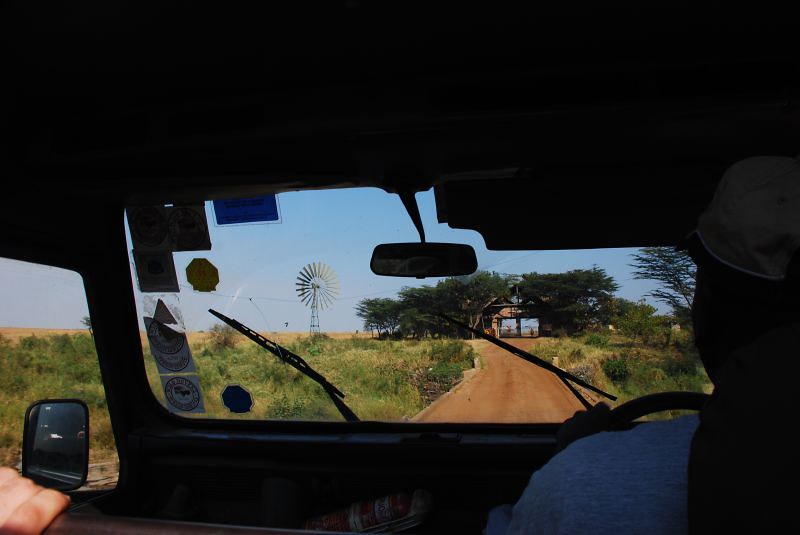
- In town, leave a wide gap, watch for minibuses stopping suddenly, and expect motorbikes on both sides.
- At roundabouts, give way to traffic already on the circle and never assume a minibus will signal.
- On the Rift Valley escarpment near Lake Manyara, the road climbs steeply with trucks and baboons. Use a low gear and never overtake on the bends.
- On the Ngorongoro road, the climb to the rim is steep and twisty. Take it slowly, especially in mist.
- In the parks, keep to the tracks, stay in the vehicle, switch off near animals, and give elephants the right of way.
- On black cotton soil, keep moving gently, avoid sharp turns, and do not drive in after heavy rain.
- Give way uphill. On narrow climbs, the vehicle going up has priority; wait in a safe pull-in.
- Take a break every two hours on long legs, and never drive after 7:00 pm.
- Treat the crater and the Serengeti as separate skills. The tracks are rough and the rules are strict; see the park rules.
- Park on slopes carefully: wheels turned into the bank, handbrake on, and first or reverse gear engaged.
- Keep warm layers in the vehicle, and carry water, a torch, and your recovery kit.
How to Drive Out of Arusha: Technique for Town, Rift Valley, and Parks
Driving out of Arusha means three different skills in one trip: busy town driving, mountain and escarpment roads, and park tracks. Each rewards patience.

- In town, leave a wide gap, watch for minibuses stopping suddenly, and expect motorbikes on both sides.
- At roundabouts, give way to traffic already on the circle and never assume a minibus will signal.
- On the Rift Valley escarpment near Lake Manyara, the road climbs steeply with trucks and baboons. Use a low gear and never overtake on the bends.
- On the Ngorongoro road, the climb to the rim is steep and twisty. Take it slowly, especially in mist.
- In the parks, keep to the tracks, stay in the vehicle, switch off near animals, and give elephants the right of way.
- On black cotton soil, keep moving gently, avoid sharp turns, and do not drive in after heavy rain.
- Give way uphill. On narrow climbs, the vehicle going up has priority; wait in a safe pull-in.
- Take a break every two hours on long legs, and never drive after 7:00 pm.
- Treat the crater and the Serengeti as separate skills. The tracks are rough and the rules are strict; see the park rules.
- Park on slopes carefully: wheels turned into the bank, handbrake on, and first or reverse gear engaged.
- Keep warm layers in the vehicle, and carry water, a torch, and your recovery kit.
Where to Self-Drive From Arusha: Around Town, the Northern Circuit and the Southern Parks
Times are approximate, from Arusha. Local rangers and gate staff can tell you which tracks are open on the day.
Around Arusha
Place | What to look for | Self-drive notes |
Giraffes, buffalo, colobus monkeys, and flamingos on the Momela Lakes and views of Mount Meru | About 45 to 60 minutes. A gentle first park; walking safaris need a ranger. | |
Lake Duluti | A small crater lake with a forest walk and birdlife | A short drive from town; quiet minor roads |
Mount Meru’s lower slopes and coffee farms | Farm tours, villages, and views of the mountain | Paved and murky roads; check the weather. |
Maasai markets and cultural visits | Beadwork, crafts, and cultural experiences | Visit with a local guide and agree on prices first. |
The Northern Circuit
Place | What to look for | Self-drive notes |
Tarangire National Park | Large elephant herds, baobab trees, and lions along the river | About 2 to 2.5 hours; good for self-drive on Murram tracks; tsetse flies in places. |
Lake Manyara National Park | Hippos, flamingos, baboons, and groundwater forest beneath the escarpment | Paved to the gate; a compact park for a half day |
Ngorongoro Conservation Area | The crater floor, with lions, elephants, hippos, and black rhinos, and views from the rim | About 3.5 to 4 hours to the gate; a 4×4 is needed; a licensed guide or ranger rides in your vehicle on the crater floor; NCAA and crater fees. |
Serengeti National Park | Endless plains, big cats, and the Great Wildebeest Migration | About 275 km to Naabi Hill gate; remote: fill your tank, carry water, and book campsites. |
Lake Natron and Ol Doinyo Lengai | Red alkaline waters, flamingos, and an active volcano | 5 to 7 hours on rough tracks; a 4×4 is essential; entry points and fees apply. |
Lake Eyasi | Cultural visits with the Hadzabe and Datoga, and birdlife | Remote and rough; best with a local guide. |
West Kilimanjaro and Longido | Quiet plains and views of Kilimanjaro | Remote; check access. |
Kilimanjaro and Mkomazi | Africa’s highest mountain and a quiet park near Same | Via Moshi, a registered guide is needed on the mountain. |
The Southern Parks
From Arusha the southern parks are a two-day drive, either via Babati and Dodoma or via Moshi, Same, Korogwe, Chalinze, and Morogoro. Sleep at Dodoma, Morogoro, or Same, and be out of every park by 6:00 pm.
Place | What to look for | Self-drive notes |
Mikumi National Park | Elephants, giraffes, zebras, and lions on a plain beside the highway | The easiest southern park for self-driving. The main highway crosses it, with wildlife-crossing limits and heavy trucks. |
Udzungwa Mountains National Park | Rainforest trails, waterfalls, and rare primates | Walking needs a ranger or guide; park at the gate. |
Saadani National Park | A coastal park where the bush meets the beach | Sandy tracks, so a 4×4 is recommended. |
Boat and walking safaris, elephants, hippos, and lions on the Rufiji | Best with a 4×4 and a guide; arrange activities through your lodge. | |
Wide plains, baobabs, big cats, and elephants | A long extension past Iringa; a 4×4 is needed. |
Foreign and Kenya-Registered Vehicles in Tanzanian National Parks
This is one of the most important rules for self-drivers who plan to combine Kenya and Tanzania, and it is routinely misunderstood.
Topic | What applies |
The law | Tanzania’s Tourism Act 2008 stipulates that foreign-registered tour vehicles are not allowed entry into tourist sites. Vehicles registered in other East African Community countries, including Kenya, are treated as foreign. |
Kenya-registered tourism vehicles | Prohibited in Tanzanian national parks. Under a 1985 bilateral tourism agreement between Kenya and Tanzania, tour operators’ vehicles and tourist hire vehicles must stay in their own country’s parks. Kenya-registered tourism vehicles are refused at the gates. |
Rental cars | A hired tourist vehicle counts as part of the tourism trade. A Kenya-registered rental vehicle must not be taken into Tanzanian national parks, including Mikumi, Nyerere, Tarangire, Manyara, the Serengeti, and the Ngorongoro Conservation Area. |
What a Kenya-registered vehicle can do | Cross at an approved border post, with our written approval and COMESA cover, and use public roads. At the park gates, you must switch to a Tanzanian-registered vehicle or a registered local operator. |
Vehicle swap | Some operators offer a vehicle swap at the border, for example at Namanga or Oloitokitok. We can arrange a Tanzanian-registered vehicle for your park days. |
Reverse rule | Tanzanian-registered tour vehicles are in turn not allowed into Kenyan parks, reserves, and conservancies. Do not take your Tanzanian rental into Kenya’s parks. |
Our Arusha vehicles | Registered in Tanzania, so they can enter Tanzanian national parks on payment of the normal vehicle fee. |
Privately owned foreign cars | A privately owned foreign-registered vehicle, not used commercially, may be allowed into the parks on payment of a much higher foreign vehicle fee (see below). This does not apply to rental vehicles |
Penalties | Entering with a prohibited vehicle can mean refusal at the gate, fines, vehicle impounding, and loss of insurance cover. The hirer is responsible. |
Foreign Vehicle Fees in Tanzanian National Parks
Vehicle | Park vehicle fee |
Tanzanian-registered vehicle | A modest daily fee, varying by park and vehicle size, is roughly USD 10 in some guides. |
Foreign-registered private vehicle (where allowed) | Reported at about USD 177 per day in some guides, |
Kenya-registered rental or tour vehicle | Not allowed |
Tanzanian-registered rental from Dar es Salaam | Pays the Tanzanian vehicle fee, which is the practical way to self-drive the parks |
Park vehicle fees change by park and by year. Always confirm with TANAPA, and keep the receipt
Other Strict Tanzanian Laws Every Visitor and Driver Should Know
Tanzanian law applies to every visitor, and breaking it, even unknowingly, can lead to fines, arrest, deportation, or loss of your insurance. These are the rules most often overlooked.
Topic | What applies |
Photography | Photographing military installations, police and military personnel, government buildings, airports, bridges, and other infrastructure is prohibited and can lead to camera confiscation and arrest. Sites are not always marked, so ask first. |
Plastic bags | Single-use plastic carrier bags are banned, including importing them. Only small, clear, reusable zip-lock bags for toiletries are allowed. |
Drones | Drones need prior authorization and are not allowed in the national parks. |
Wildlife products and trophies | Importing or exporting animal products and trophies without papers is a serious offense. |
Drugs | Penalties are severe, including for cannabis, whatever the law at home. |
Alcohol and driving | Drink-driving is prohibited and strictly enforced. |
Smoking | Not allowed in public places, markets, and public transport, or on game drives |
Volunteer work | Not allowed on a tourist visa. Volunteers and long-stay visitors need the right visa or permit |
Same-sex relationships | Same-sex sexual activity is illegal in Tanzania, including Zanzibar, and public displays of affection are best avoided. Check your own government’s advice. |
Dress and conduct | Dress modestly in towns and villages, and cover up outside beach resorts. Zanzibar can issue fines for inappropriate clothing. Ask before photographing people. |
Documents | Carry your passport or a certified copy; police checkpoints are common. |
Protests and gatherings | Avoid demonstrations and large gatherings, which are limited or not authorized. Follow your government’s travel advice. |
Government travel advice | Several governments currently advise caution or reconsider travel to parts of Tanzania. Check your own advice before you book. |
We cannot give legal advice. These summaries come from published government travel advisories and local guides, and they change.
Tanzania Mandatory Rules for Kilimanjaro National Park
Kilimanjaro National Park is managed by the Tanzania National Parks Authority (TANAPA). You can drive yourself to the gates, but you cannot self-guide on the mountain.
Topic | What applies |
Guides | Anyone entering the park on foot, including on a day hike, must be accompanied by a registered guide. Climbers also use porters and cooks through a licensed operator. |
Park fee | A conservation fee of about USD 70 per person per day plus 18% VAT (about USD 82.60), charged per 24 hours in the park. Hut fees (Marangu route) are about USD 60 per night plus VAT, camping fees on other routes are about USD 50 per night plus VAT, and a rescue fee is about USD 20 per trip. Crew fees are extra. |
Payment | Cashless; paid through your operator or the official portal. Cash is not accepted at the gates. |
Day hikes | A short guided hike from Marangu Gate to Mandara Hut is possible, with a park fee, guide fee, and registration. |
Gate hours | Registration is typically open from about 6:30 am to 6:00 pm. |
Vehicles | Vehicles stop at the gate. Park in the designated area, and do not drive beyond it. |
Altitude | Altitude sickness is a real risk on the mountain; follow your guide’s advice, and do not push on if unwell. |
Drones and litter | Drones need authorization and are not allowed in the park; take all litter out |
Insurance | Your own medical and evacuation insurance should cover trekking at altitude. Tanzania’s mandatory policy is a separate entry requirement. |
A self-drive vehicle is ideal for reaching the gate, the foothills, and the surrounding sights, but it is not a way to climb Kilimanjaro without a guide.
Mount Meru is climbed from Arusha National Park. A registered guide and an armed ranger accompany every climb, and the fees and hut charges are set by TANAPA.
Tanzania Mandatory Park and National Park Rules
Tanzania’s northern and southern parks are managed by the Tanzania National Parks Authority (TANAPA). The Ngorongoro Conservation Area is managed separately by the Ngorongoro Conservation Area Authority (NCAA). Their rules apply to every visitor, and our rental agreement adds penalties of its own.
Topic | What applies |
Payment | Cashless. Park fees are paid by card, smart card, or the official online portal. Cash is not accepted at the gates. Keep proof of payment on your phone and in print. |
Hours | Driving in the parks is generally allowed between 6:00 am and 6:00 pm only. Be out of the gate by closing time. |
Park speed limits | Commonly 50 km/h in TANAPA parks and 25 km/h in the Ngorongoro Crater, with a USD 50 overspeeding penalty. |
Stay on track. | Off-road driving is prohibited and heavily penalized; our agreement sets a penalty of USD 150 per person in the vehicle. |
Stay in the vehicle. | Only get out at designated points. Sitting on top of the vehicle carries a USD 100 penalty under our contract. |
Wildlife | Animals have the right of way. Do not feed, call, hoot, clap, or harass them. No radios or music |
Drones | Not allowed in any park without authorization |
Litter and smoking | Take all litter with you; no smoking on game drives. |
Picnics and camping | Only at designated sites |
Ngorongoro Crater | Access to the crater requires advance arrangements, a crater vehicle fee (about USD 295 per vehicle for a six-hour descent), and a registered guide or armed ranger in the vehicle. Fees are paid by smart card, not cash. |
Serengeti | Self-drive is possible with the right permits and payments. Concession and camping fees apply at some sites. |
Standard TANAPA rules apply. Give elephants and buffalo room on the tracks, keep windows up in tsetse areas, and get out only at designated points. | |
A quieter park with limited facilities. Check gate access and conditions before you go. | |
Mikumi National Park | The Morogoro to Iringa highway crosses the park; wildlife-crossing and speed limits apply, so keep to the posted limits. |
Boat and walking safaris are arranged through lodges. Keep to marked tracks; vehicle fees apply. | |
Saadani and Udzungwa | Standard TANAPA rules apply; walking in Udzungwa needs a ranger or guide. |
Pets and weapons | Not allowed in parks |
Permits outside parks | Some areas outside the parks, such as Lake Natron and parts of Loliondo, need separate permits. |
Our insurance does not cover collisions with wildlife or off-track driving.
If You Get Stuck, Have an Accident or Break Down on a Self-Drive
Step | What to do |
1. Stop safely. | Pull off the track if you can, switch on hazard lights, and put out the reflective triangles. In a park, stay in the vehicle. |
2. Do not spin the wheels. | It digs you deeper in mud or sand. Switch off and assess. |
3. Use the right gear. | On soft ground or sand, engage four-wheel drive and low range, and try gentle reversing in your own tracks. |
4. Clear and support | If it is safe, clear soil from the wheels and place traction boards under the driven wheels. |
5. In an accident | Call us immediately, take photographs of the vehicles and the scene, and obtain a police report. Do not leave the scene or arrange repairs yourself. The report is needed for any insurance claim. |
6. Call us. | Call or WhatsApp our 24/7 line with your location. If there is no signal, wait for a ranger or another vehicle. |
7. Stay with the vehicle | Keep doors closed and wait. Never walk for help across a park with wildlife, and conserve water. |
Is It Safe to Drive Yourself From Arusha?
For prepared travelers, yes. The main risks are traffic, rough tracks, and wildlife, not crime, and each is manageable.
Risk | How to manage it |
Traffic and minibuses | Leave a wide gap, avoid rush hours, and never overtake blindly. Minibuses stop without warning. |
Motorbikes and pedestrians | Expect them on both sides in town and in villages; slow down and stay alert. |
Police checks and speed cameras | Keep to limits, carry your papers, and be courteous. See the driving rules section. |
Theft from vehicles | Keep valuables out of sight, lock doors in traffic, and park in secure places |
Night driving | Do not drive after dark. Our vehicles are on the road only between 6:00 am and 7:00 pm. |
Wildlife | Stay in the vehicle, keep windows up near animals, and give elephants the right of way |
Steep roads and weather | Use low gears on the escarpment and rim; slow down in mist and rain. |
Remote tracks | Carry water, fuel, and a recovery kit, tell us your route, and do not travel alone on the roughest tracks. |
Heat, sun, and altitude | Carry water, wear sun protection, and allow rest, especially on the rim and at the lakes. |
Malaria and tsetse flies | Ask your doctor about malaria prevention; cover up and keep windows up in tsetse areas. |
How to Plan Your Time Around Arusha
A Half Day: Arusha National Park or Lake Duluti
Collect the vehicle, drive to Arusha National Park for giraffes, buffalo, and the Momela Lakes, and return before dark. It is the gentlest way to learn your vehicle and the park rules.
A Full Day: Tarangire
Leave Arusha by 6:30 am, spend the day among the elephants and baobabs, and be out of the park by 6:00 pm. Many guests prefer to stay overnight near the gate.
Longer Self-Drives
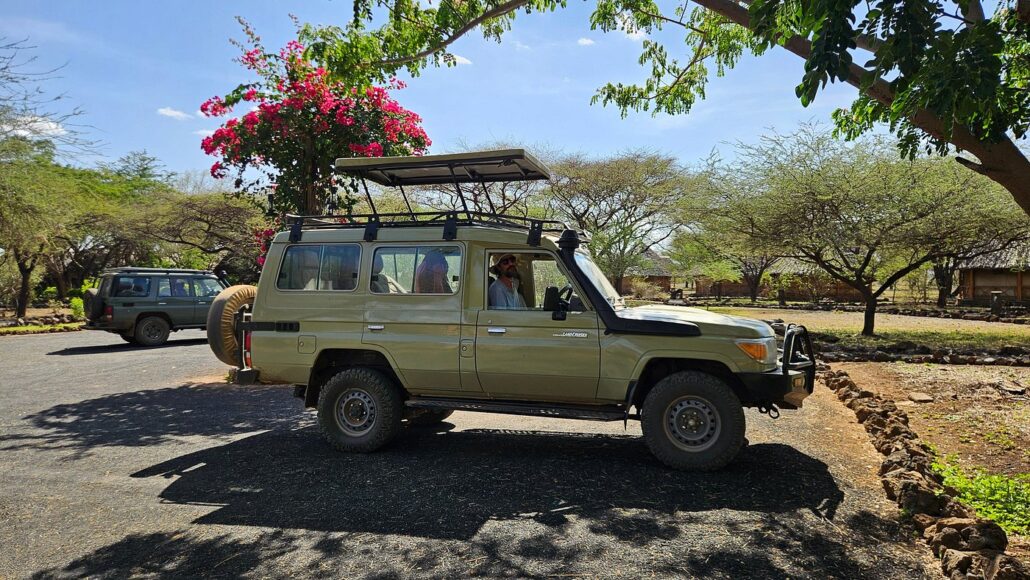
For the Ngorongoro Crater, the Serengeti, or the southern parks, plan overnight stops, book your sleeping and permits, and consider a driver guide for the hardest legs.
Tips From the Road
- Start early. Cool morning light brings the best wildlife and the easiest driving.
- Fill up in every large town; fuel is scarce in the parks.
- Carry more water than you think you need and snacks for long legs.
- Never leave the vehicle in a park except at designated points.
- Respect the closing time. Parks close at 6:00 pm, and our vehicles are off the road by 7:00 pm.
- Tell us your route. We can help if you are late, lost, or stuck.
- Be patient with minibuses, livestock, and speed bumps; they are part of the road.
Self-Drive vs. Driver-Guided From Arusha
Situation | Self-drive | Driver-guide |
Arusha National Park, Tarangire, and Manyara | Good for confident drivers who want their own pace | Adds wildlife knowledge and spotting |
Ngorongoro Crater floor | A licensed guide or ranger must ride in your vehicle. | Your driver-guide arranges it. |
Serengeti | Possible with careful planning; long distances and complex tracks | Handles navigation, distances, and the routes |
Long road south or across a border | You plan the stops, fuel, and paperwork. | Your driver handles the route and the border formalities. |
Lake Natron and remote tracks | Needs a 4×4 and confidence on rough ground | A local guide is strongly recommended. |
Rooftop tent and camping | You pitch, cook, and navigate. | Your driver helps with camp logistics. |
Who should choose a driver guide? First-time visitors, anyone who would rather not drive in Arusha traffic, and travellers heading for the Ngorongoro Crater or the Serengeti. Many guests take a driver for the first day or the crater and drive themselves from there. Our driver-guide rate is from $40 per day.
Which Vehicle Should You Rent in Arusha?
4×4 Car Rental Tanzania
For the parks, choose a 4×4. The tracks in Tarangire, the Ngorongoro Crater, and the Serengeti are made of mud, sand, rock, and black cotton soil, and the Rift Valley road is steep. A 4×4 with high clearance is safer and more comfortable.
Land Cruiser for Self-Drive
The best all-round choice for the northern and southern parks and the long highway between them. Strong, comfortable, and proven on rough tracks.
Hilux Double Cab
A tough, capable pick-up with a roomy cabin and a load bed, well suited to camping gear and longer trips.
Prado
A comfortable, family-friendly 4×4 for the northern circuit, with good ground clearance.
RAV4
Fine for Arusha, the paved highways and dry-weather Tarangire, but not recommended for the Ngorongoro Crater, the Serengeti, Lake Natron, soft ground or the rains.
Pop-Up Roof Safari Vehicles
Car rental with a pop-up roof from Arusha lets you stand to photograph elephants, lions, and giraffes in Tarangire and the Serengeti.
4x4 Toyota Land Cruiser LX
4×4 Toyota Land Cruiser Hardtop
4x4 Toyota Land Cruiser Prado
Toyota Land Cruiser V8 With Rooftop Tent
4x4 Toyota Rav4 (Car Rental 4x4 Africa)
Safari Van With Driver Guide
Toyota Land Cruiser GX with Roof Top Tent
Land Cruiser Extended with Pop Up Roof
4x4 Toyota Land Cruiser Double Cab
Compare Our Arusha Vehicles
Vehicle | Best for | Watch for |
The whole circuit, rough tracks, and long drives | Higher cost; fuel use | |
Camping, gear, and longer trips | Less cabin luxury than a station wagon | |
Prado | Families and comfortable road trips | Check clearance on the roughest tracks. |
Town, paved highways and dry Tarangire | Not for the crater, the Serengeti, or the rains. |
Pick-Up and Drop-Off Points in Arusha
Point | Why travelers choose it | Approximate distance |
Arusha town and hotels | The main base for the northern circuit | In town |
Arusha Airport (ARK) | Handy if you fly to or from the Serengeti by light aircraft. | Close to town. |
Kilimanjaro International Airport (JRO) | International arrivals and departures | About 50 km. |
Moshi | Before or after a Kilimanjaro climb | About 80 km. |
Dodoma | The capital, on the road south and to the Lake Zone | About 440 km. |
Morogoro | The base for Mikumi and the southern parks | About 620 km. |
Tanga | The coast, Pangani, and the road to Mombasa | About 450 km. |
Dar es Salaam | Zanzibar, Saadani, and the South | About 630 to 650 km. By arrangement |
Mwanza | The Lake Victoria exit from the Serengeti | About 850 to 950 km, or about 600 km via the Serengeti. |
Nairobi and Mombasa (Kenya) | Cross-border one-ways, with a vehicle swap for parks | About 275 and 480 km. |
Kampala, Entebbe, and Kigali | Long cross-border one-ways | About 950 to 1,100 km. |
Popular One-Way Combinations
Collect | Return | Typical use |
Arusha | Kilimanjaro Airport (JRO) or Moshi | A circuit ending at the airport for your flight home |
Arusha | Northern parks first, then the long road south, ending at the Zanzibar ferry. | |
Arusha | Dodoma or Morogoro | Cross the country, with Mikumi or Udzungwa on the way. |
Arusha | Mwanza | Through the Serengeti and out of the western gate. |
Arusha | Namanga to Nairobi, or Moshi and Taveta to Mombasa. Needs written approval and a swap for parks | |
Arusha | A long cross-border route; written approval and cover needed | |
Dar es Salaam, Moshi or Mwanza | Arusha | Reverse routes work too, by arrangement. |
Nairobi, Kampala, or Kigali | Arusha | Start abroad and finish at the circuit. Needs written approval and a swap for parks |
One-Way Tanzania Car Rental From Arusha
A one-way Tanzania car rental from Arusha lets you collect your vehicle in Arusha and return it somewhere else, so you do not have to drive back. It suits travelers who finish a safari in Moshi or at Kilimanjaro Airport, drive on to Dar es Salaam, Dodoma, Morogoro, Tanga, or Mwanza, or continue to the Kenyan coast, Nairobi, Kampala, or Kigali. The one-way fee is route-specific and is quoted in writing at booking, from $50 up to $600.
Route | Distance and time | What to know |
Moshi or Kilimanjaro Airport | About 50 to 80 km | Ends at the airport or the mountain for your flight |
Dar es Salaam | About 630 to 650 km; 9 to 11 hours | Via Moshi. Plan an overnight stop on the way. |
Dodoma | About 440 km; 7 to 8 hours | Via Babati and Kondoa. |
Morogoro | About 620 km; 9 to 10 hours | Base for Mikumi |
Tanga | About 450 km; 7 to 8 hours | Via Same and Mombo. |
Mwanza | About 850 to 950 km; two days | Or about 600 km through the Serengeti. |
Nairobi (Kenya) | About 275 km | Cross-border: written approval and cover are needed; a vehicle swap is needed for parks. |
Kampala (Uganda) | About 950 to 1,100 km; 2 to 3 days | Cross-border, quoted separately. |
Kigali (Rwanda) | About 1,030 km; around 3 days | Cross-border, quoted separately. Rwanda drives on the right. |
How a One-Way Rental Works
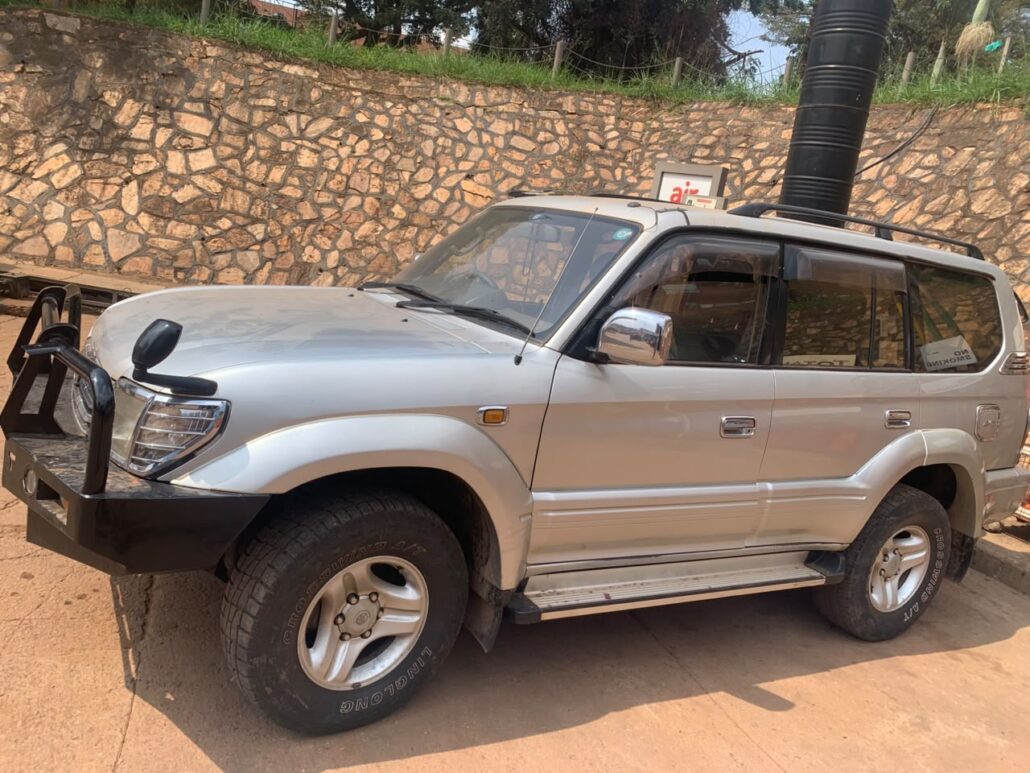
- Tell us at inquiry. Give your collection and return points, dates, and route so we can quote the one-way fee and check availability.
- Daylight driving only. Our vehicles are on the road between 6:00 am and 7:00 pm, so long one-way routes need an overnight stop.
- Cross-border one-ways need extra paperwork. Written approval, the COMESA Yellow Card cover, and the border formalities are in the section below.
- Reverse and mixed routes work too. Start in Dar es Salaam, Moshi, Kenya, Uganda, or Rwanda, and finish in Arusha, by arrangement.
- One rental, one return point. A rental ends where it is returned. For a loop through several countries, plan a swap or a new rental at each border.
- Return and inspection. The vehicle is inspected at the drop-off point, and the deposit is refunded when it returns without offenses.
- Late returns are charged for extra days. Request any extension before the return date.
One-way fees are not the same on every route.
Driving Between Tanzania and Kenya From Arusha
Arusha is the best-placed Tanzanian town for Kenya. The Namanga border is about two hours north, with Nairobi beyond and Amboseli close by. Crossing with a rental vehicle is possible only by prior arrangement, with our written approval and cross-border cover.
Route | From Arusha | Notes | |
Namanga to Nairobi | About 110 km to the border, then about 165 km | Two to three hours to the border, then onward; Kenya drives on the left. | |
Namanga to Amboseli | Border about 110 km; Amboseli beyond | Swap to a Kenya vehicle for the park. | |
Holili and Taveta to Tsavo and Mombasa | Via Moshi, about 140 km to the border | Swap for Tsavo West. | |
Isebania and Sirari to the Maasai Mara | Via the Serengeti, long and remote | Written approval and a swap for the Mara. | |
Horohoro and Lunga Lunga to Mombasa | Via Moshi and Tanga | A coastal alternative. | |
Requirement | What applies | ||
Written approval | You may not cross any international border without our prior written approval. | ||
Cross-border cover | COMESA Yellow Card cover, with our published fee of $50. | ||
Parks | A Kenya-registered vehicle cannot enter Tanzanian parks, and a Tanzanian-registered rental must not be used in Kenyan parks without our approval. Plan a vehicle swap at the border if your trip includes parks on both sides. | ||
Your own entry | Check visa and yellow fever requirements, and the East Africa Tourist Visa note for Kenya and Uganda | ||
Driving Between Tanzania and Uganda or Rwanda From Arusha
From Arusha, Uganda, it is reached through Nairobi or round Lake Victoria, and Rwanda through the Lake Zone. Both are long cross-border drives that are possible only by prior arrangement, with our written approval and cross-border cover.
Destination | Route from Arusha | Distance and time |
Kampala, through Kenya | Namanga, Nairobi, then Malaba or Busia | About 950 km; 2 to 3 days |
Kampala, round Lake Victoria | Babati, Singida, Shinyanga, Mwanza, Bukoba, and Mutukula | About 1,100 km; around 3 days |
Kigali | Singida, Kahama, Nyakanazi, and the Rusumo border | About 1,030 km; around 3 days |
Kigali, through the Serengeti | Ngorongoro, the Serengeti, Mwanza, then Rusumo | About 1,100 km or more; 4 days. |
Border Posts You Will Use
Border | Between | Used for |
Namanga | Tanzania and Kenya | Arusha to Nairobi and Amboseli |
Holili and Taveta | Tanzania and Kenya | Moshi to Tsavo and Mombasa |
Horohoro and Lunga Lunga | Tanzania and Kenya | Tanga to Mombasa |
Isebania and Sirari | Tanzania and Kenya | The Serengeti and Maasai Mara side |
Mutukula | Tanzania and Uganda | Bukoba to Masaka and Kampala |
Malaba and Busia | Kenya and Uganda | Nairobi to Kampala |
Rusumo | Tanzania and Rwanda | The Lake Zone to Kigali |
Gatuna and Katuna | Uganda and Rwanda | Kampala to Kigali |
Rules for Uganda and Rwanda
Requirement | What applies |
Written approval | You may not cross any international border without our prior written approval. |
Cross-border cover | Additional third-party cover is required. at $50 |
Side of the road | Kenya and Uganda drive on the left, as Tanzania does. Rwanda drives on the right. |
Parks | A Tanzanian-registered rental must not be used as a tourist vehicle in another country’s parks without our approval, and a vehicle registered in Kenya or Rwanda cannot enter Tanzanian parks, yet Ugandan-registered vehicles can enter but at an extra fee of $177. Plan a vehicle swap if your trip includes parks on both sides. |
Visas | The East Africa Tourist Visa covers Kenya, Rwanda, and Uganda, but not Tanzania. Check each country’s visa and yellow fever rules. |
Rwanda specifics | Single-use plastic bags are banned, and community work on the last Saturday morning of the month limits movement. |
Time and fee | Allow extra time at borders, which close at night. One-way fees for these long routes are quoted separately. |
Crossing a Border Step by Step
Step | What to do |
Before you book | Tell us the countries, the crossing points, and your dates so we can approve the route and quote the cover. |
The day before | Fill the tank, carry passports, visas, yellow fever cards, the rental agreement, and the cross-border certificate. |
At the exit post | Clear Tanzanian immigration and customs, and have the vehicle papers stamped. |
At the entry post | Buy the visa or confirm the East Africa Tourist Visa, show the cover, and complete the temporary vehicle import. |
Timing | Allow one to three hours, arrive early, and cross well before 7:00 pm. |
Parks | Swap to a vehicle registered in that country for park days, or use a registered local operator. |
Car Rental With a Rooftop Tent From Arusha
Car rental with a rooftop tent from Arusha turns your 4×4 into a bedroom: unfold it in minutes, sleep above the ground, and wake at the edge of the wildlife. It suits public campsites on the Ngorongoro rim, in the Serengeti, at Tarangire, and in Mto wa Mbu. A rooftop tent is $20 per day for two people.
Is a Rooftop Tent Right for You?
- Good for self-drivers who want to move often, camp inside parks, and avoid bookings at lodges.
- Think twice if you dislike cold nights on the rim or are unsure about setting up camp.
Camp only at designated sites; book first and confirm that tents are allowed.
Long Term Tanzania Car Rental-Discounted Rates
Long-term Tanzania car rental from Arusha (monthly, yearly, self-drive)—Rent a long-term Tanzania car rental for 21 days, a month, 1 year, or 2 years to 3 years. Car rental 4×4 provides long-term car rentals in Tanzania from Arusha, offering a variety of vehicle classes for customers in need of transportation for durations ranging from 28 days to 3 years.
Long-term rental brings a lower daily rate, a single vehicle for weeks or months, and the option of service stops in town.
Who Long-Term Rental Suits
- Research and film teams working across the northern circuit.
- Volunteers and project workers based around Arusha and Karatu.
- Overlanders passing through East Africa.
- Families staying for a season.
Car Rental With Camping Gear From Arusha
Car rental with camping gear from Arusha offers full camping kits, which turn a rental into a mobile camp: ground tents ($5 per day), fridges ($10 per day), chairs, tables, cooking gear, and bedding.
Where You Can Camp
- Public campsites inside parks, such as on the Ngorongoro rim, in the Serengeti and at Tarangire.
- Campsites outside the parks, near Arusha, Karatu, Mto wa Mbu, and Moshi, are privately run.
- Special campsites offer privacy at a higher fee in some parks.
Camping Tips for Northern Tanzania
- Book early for June to October and January to February.
- Expect cold on the rim. Bring warm layers and a warm sleeping bag.
- Shop in Arusha or Karatu. Buy food, water, firewood, and ice before the gate.
- Leave no trace, and keep food locked away from animals.
Arusha Self Drive Itineraries
1 Day: Arusha National Park
- Collect in Arusha, drive to Arusha National Park for giraffes, buffalo, and the Momela Lakes, and return before dark.
1 Day: Tarangire
- Leave at 6:30 am for a full day among the elephants and baobabs, and be out of the park by 6:00 pm.
3 Days: Tarangire, Manyara, and the Ngorongoro Rim
- Day 1: Day 2: Lake Manyara, then Karatu or the rim. Day 3: the Ngorongoro Crater with a licensed guide or ranger, then back to Arusha.
5 Days: The Northern Circuit With the Serengeti
- Day 1: Day 2: Lake Manyara and Karatu. Day 3: the crater, then the Serengeti. Day 4: the Serengeti. Day 5: Back via the rim to Arusha. A driver-guide is recommended for the Serengeti.
7 Days: Northern Circuit With Lake Natron
- Add two days for Lake Natron and Ol Doinyo Lengai, by the Mto wa Mbu or Longido route, with a 4×4 and a local guide. Fill the tank beforehand; there is no fuel at the lake.
9 Days: Arusha to Dar es Salaam Through the Southern Parks
- Days 1 to 3: Tarangire, Manyara, and the crater. Day 4: Arusha to Dodoma. Day 5: Dodoma to Mikumi. Day 6: Day 7: Udzungwa. Day 8: Drive to Dar es Salaam. Day 9: Return the vehicle.
16 Days: Every Northern and Southern Park, Arusha to Dar es Salaam
- Day 1: Arusha National Park. Day 2: Day 3: Lake Manyara and Karatu. Day 4: the crater and the Serengeti. Days 5 and 6: the Serengeti. Day 7: back to Karatu. Day 8: Arusha. Day 9: drive to Dodoma. Day 10: Mikumi. Day 11: Udzungwa. Day 12: Morogoro or Chalinze. Days 13 to 16: Nyerere (or Saadani), then return the vehicle to Dar es Salaam.
Arusha to Mwanza Through the Serengeti (5 Days)
- Day 1: Day 2: Lake Manyara and Karatu. Day 3: the crater, then the Serengeti. Day 4: the Serengeti. Day 5: Exit through the western gate to Mwanza and return the vehicle.
Arusha to Nairobi: Namanga and Amboseli (4 Days)
- Day 1: Arusha National Park. Day 2: Arusha to Namanga, cross with written approval, and drive on to Nairobi or Amboseli after a vehicle swap. Days 3 and 4: Amboseli and Nairobi.
Arusha to Kigali: Serengeti, Lake Victoria, and Rwanda (9 to 12 Days)
- The northern circuit and the Serengeti, then the western gate, Mwanza, and the Rusumo border to Kigali. Swap to a Rwanda-registered vehicle for Akagera.
Arusha to Kampala: Through Nairobi or Round Lake Victoria (4 to 11 Days)
- Through Kenya: Namanga, Nairobi, then Malaba or Busia, about 950 km over two to three days. Round the lake: Babati, Singida, Mwanza, Bukoba, and Mutukula, about 1,100 km over three days.
East Africa Grand Loop: Arusha, Nairobi, Kampala, Kigali, and Dar es Salaam (21 to 28 Days)
- Arusha to Nairobi (about 275 km), Nairobi to Kampala (about 650 km), Kampala to Kigali (about 500 km), and Kigali to Dar es Salaam (about 1,400 km), about 2,800 km in all. Each country adds its own cover, visas, and vehicle swap for parks, and every leg is quoted individually.
- Vehicle: a Land Cruiser or Hilux for the whole route.
- Camping option: add a rooftop tent and kit for park nights.
- Return point: any pick-up point, by arrangement.
When to Visit Arusha and the Northern Circuit
Months | Conditions | What to expect |
January to February | Short dry season | Clear skies and green plains; calving season in the southern Serengeti and Ndutu. |
March to May | Long rains | Wet, misty and muddy; fewer visitors. A 4×4 is essential |
June to October | Cool and dry | The classic time: the best roads and wildlife, and the busiest. Tarangire is at its best |
November to December | Short rains | Showers and green landscapes; variable roads |
Arusha can be visited all year. The dry months give the best wildlife and the easiest roads, while the rains bring green landscapes, mist, and mud.
Wildlife Calendar: When to Go Where
Months | Where the action is | Notes |
January to March | Southern Serengeti and Ndutu | Calving season on the short-grass plains. |
April and May | Central Serengeti | Long rains; fewer visitors and muddy tracks |
June and July | Western corridor and Grumeti | Dry roads; herds on the move. |
July to October | Northern Serengeti and the Mara River | Dramatic crossings, but busiest, with long drives |
November and December | Herds move south again. | Short rains begin; they are green and quieter. |
June to October | Tarangire | Elephants and other animals gather at the river. |
Migration timing varies from year to year.
Kenya-registered vehicles are not allowed into Tanzanian national parks. Tanzania’s Tourism Act 2008 bars foreign-registered tourist vehicles from tourist sites, and Kenya-registered tourism vehicles are refused at park gates. For the parks you need a Tanzanian-registered vehicle. See the section below.