Is Nairobi Worth Visiting?
Yes. Many travelers treat Nairobi as an airport stop, but a couple of days here gives you some of the best short wildlife experiences in Africa and a modern, creative city. You can experience orphaned elephants, a giraffe feeding platform, a skyline backdrop for lions, and a city forest for walking all in a single day. The food scene, art galleries, markets, and music are strong reasons to stay longer.

It is also a big, busy capital. Traffic can be heavy, the center can feel crowded, and you need normal big-city caution. With sensible planning, transport you trust, and a bit of local advice, it can be a rewarding place to start or end a trip.
Who Nairobi suits best
- First-time safari travelers who want a gentle introduction to wildlife.
- Families, with the Giraffe Centre, the elephant orphanage, and the park all close together.
- Culture and history fans interested in Kenyan art, the railway story, and Karen Blixen’s era.
- Food lovers who want nyama choma, Ethiopian, Indian, Swahili, and modern Kenyan cooking.
- Business travelers with a free half day.
- Self-drivers planning a road trip to the Rift Valley, Mara, Amboseli, or the coast.
Top Things to Do in Nairobi
Wildlife and nature
Nairobi National Park
Nairobi National Park is the city’s headline attraction and one of the most unusual wildlife destinations in the world. Within sight of high-rise buildings, it protects grassland, woodland, and rocky valleys where giraffes, zebras, buffalo, hartebeest, lions, and a range of birds roam, and it is known for its rhino conservation work.
A morning or late-afternoon game drive is usually the most rewarding, and a half day is enough to see the main areas. Because the park is so close to the city, it is easy to fit in on arrival or departure day, or to combine it with the other conservation visits below. Wildlife viewing is never guaranteed, but the park’s variety and accessibility make it a rewarding introduction to Kenya’s wildlife.
A pop-up roof makes viewing and photography easier, and during the rains, a 4×4 or high-clearance vehicle is recommended. Check current entry arrangements and park rules before you go, since fees and procedures can change.
The Giraffe Centre
The Giraffe Centre, in the suburb of Karen, is a conservation and education centre focused on the Rothschild’s giraffe. Visitors can stand on a raised platform and hand-feed giraffes, which come close enough for a memorable encounter, particularly popular with families. Go early to avoid crowds, and check current hours and fees.
The David Sheldrick Wildlife Trust
The David Sheldrick Wildlife Trust runs an elephant orphanage near the entrance to Nairobi National Park, where orphaned elephants and, at times, rhinos are cared for before being returned to the wild. Public visiting is typically limited to a short window each day and may require advance booking, so check the current arrangements and plan your day around them.
Nairobi Safari Walk
The Nairobi Safari Walk, near the park’s main gate, is a raised boardwalk through enclosures that give close views of animals in a compact setting. It is a convenient option for travelers with limited time or those who want an easy walk.
Culture, History, and Museums
The Nairobi National Museum is a good place to understand Kenya’s natural and cultural heritage, with exhibits on wildlife, human origins, history, and art. It pairs well with a visit to the neighboring snake park or the museum’s gardens.
In Karen, the Karen Blixen Museum occupies the former home of the Danish author and offers a look at colonial-era life and the landscape that inspired her writing. Bomas of Kenya presents the country’s diverse cultures through traditional dance and village displays and is best visited when performances are scheduled. Craft shops and workshops, such as those producing hand-made ceramic beads, make good stops for gifts.
Nature and Outdoors in Nairobi
Karura Forest is a large urban forest with walking and cycling trails, waterfalls, and quiet picnic spots and is popular with residents and visitors who want a break from the city. The Ngong Hills, on the southwestern edge of Nairobi, offer ridge walks with wide views over the Rift Valley and the plains toward the Maasai Mara. Both are best visited with local advice on current conditions and security and with a guide if you are unfamiliar with the area.
| Attraction | What you get | Tips |
| Nairobi National Park | Lions, rhinos, giraffes, buffalo, zebras, and many birds, with the city skyline in view | Go at first light or late afternoon. See our Nairobi National Park travel guide. |
| Giraffe Centre (Langata) | A raised platform where you can feed and meet endangered Rothschild’s giraffes | Arrive early, avoid weekend crowds, and bring small cash for extras. |
| David Sheldrick Wildlife Trust | A daily public visit to see orphaned baby elephants at feeding time | Usually mid-morning and in limited slots, so check booking rules first. |
| Karura Forest | A large city forest with trails, waterfalls, picnic spots, and cycling routes | Go in the morning, stay on main paths, and check opening hours. |
| Nairobi Safari Walk and Animal Orphanage | A raised walkway and rescued animals at the park entrance | Short and family-friendly. Combine with a park drive. |
| Nairobi Arboretum and Uhuru Gardens | Quiet green spaces with trees, birds, and picnic areas | Good for a calm half hour. Avoid isolated areas. |
History and culture
- Nairobi National Museum: Kenya’s main museum, with human origins, ethnography, art, and a botanical garden.
- Karen Blixen Museum: the farmhouse of the author of Out of Africa, set in a leafy suburb.
- Nairobi Railway Museum: old steam locomotives and the story of the Uganda Railway that created the city.
- Bomas of Kenya: performances of traditional dance and music from different communities, usually in the afternoon.
- Nairobi Gallery and City Market: colonial-era buildings and art and crafts in the center.
- KICC viewing deck: a rooftop view over the downtown skyline, when open.
- Kazuri Beads and Kitengela Glass: workshops where women artisans make ceramic beads and recycled glass pieces.
- Jamia Mosque and city landmarks: short walking stops in the CBD with a guide.
Markets and shopping
- Maasai Market: a rotating open-air craft market held on different days at different locations, with beadwork, fabrics, and carvings. Check the day before you go and bargain politely.
- Village Market (Gigiri): a mall with shops, restaurants, and crafts, and a Friday evening crowd.
- Two Rivers, Sarit, Westgate, The Hub, and Yaya Centre: large malls with restaurants and supermarkets.
- Karen and Langata craft shops: upmarket gift stores and galleries.
Food and nightlife
- Nyama choma: grilled goat or beef, usually with ugali and kachumbari, found at local grills across the city and at well-known restaurants in Langata.
- Kenyan classics: githeri, mukimo, sukuma wiki, chapati, pilau, and samosas.
- International dining: Ethiopian, Indian, Italian, Lebanese, and Japanese restaurants are common in Westlands, Kilimani, and Karen.
- Coffee and tea: Kenyan coffee is excellent, and cafes are plentiful.
- Rooftop bars and live music: popular in Westlands, Kilimani, and Lavington. Use a taxi for evenings.
- Street food: roasted maize, mandazi, and fresh fruit are cheap and popular, best at busy stalls.
Active and outdoor
- Karura Forest offers cycling and running on well-marked trails.
- Ngong Hills walks along the ridge with views over the Rift Valley, best with a guide.
- Golf and horse riding at clubs in Karen and Muthaiga, usually by booking.
- Hot air balloons and microlight flights are available in some areas, so confirm with an operator.
Parks and Wildlife Near Nairobi
Nairobi has appealing day-trip options, some of which are quiet and uncrowded.
| Place | Approx. distance | Famous for | Tips |
| Nairobi National Park | 7 to 15 km from the center | Lions, rhinos, giraffes, buffalo, and birds beside the city | The easiest wildlife stop. Half-day or full-day |
| Hell’s Gate National Park | About 90 to 100 km, 2 to 2.5 hours | Cliffs, gorges, walking, and cycling among zebras and giraffes | Rent a bicycle, go early, and check gate rules. |
| Lake Naivasha | About 90 km | Boat rides, hippos, birdlife, and Crescent Island walks | Good with Hell’s Gate for a full day |
| Mount Longonot National Park | About 90 km | A volcano hike with a crater rim trail | Carry water, start early, and expect a steep climb. |
| Ngong Hills | About 25 km | Ridge walks and views of the Rift Valley | Hire a guide and avoid isolated trails. |
| Lake Nakuru National Park | About 160 km | Rhinos, flamingos (varies with water levels), and woodland | Allow a full day or an overnight stay. |
| Amboseli National Park | About 240 km, 4 to 5 hours | Elephants and views of Mount Kilimanjaro | Best as an overnight or longer trip |
| Maasai Mara National Reserve | About 270 km by road, 5 to 6 hours, or a short flight | The Great Migration and big cats | Allow at least two nights. |
| Tsavo East and Tsavo West | 4 to 6 hours | Red elephants, lava flows, and big landscapes | Combine with a coast trip. See our Mombasa travel guide. |
| Aberdare and Mount Kenya areas | 2.5 to 4 hours | Forest, mountain scenery, and rare wildlife | A good change from the savannah circuit |
Tip: Kenya Wildlife Service (KWS) manages most national parks, while private conservancies and community areas have their own rules. Fees, permits, and payment systems can vary and change, so please confirm directly before you go.
Best Time to Visit Nairobi
Nairobi is pleasant all year because of its altitude. The weather is usually mild, with sunny days and cool nights, and rarely sweltering.
- For the driest and brightest weather: January to February and June to September.
- For the coolest, cloudiest weather: July and August, when evenings can be chilly and a light jacket is useful.
- For lush scenery and lower prices: the long rains from about March to May. Roads and traffic can be difficult in heavy rain.
- For short rains and green landscapes: October to December, with lighter showers.
- For wildlife: park visits work all year, and the dry months make animals easier to see around water.
- For holiday crowds: late December to early January, when hotels book up and prices rise.
Bring layers, sun protection, and a rain jacket, since mornings and evenings can be cool and rain can arrive quickly.
How to Get to Nairobi
- By air: Jomo Kenyatta International Airport (NBO) is the main international gateway, about 15 to 20 km from the center. Wilson Airport serves domestic and safari flights.
- By train: the Madaraka Express, a standard-gauge railway link, connects Nairobi with Mombasa in roughly five hours. The Nairobi terminus is on the south-east side of the city, so allow time to reach your hotel.
- By road: highways connect Nairobi to Mombasa, Nakuru, Mount Kenya, Kisumu, and the Tanzanian border. Avoid night driving where possible.
- By bus: long-distance coaches link the city with Mombasa, Kisumu, Arusha, and other towns.
- From Tanzania and Uganda: road crossings exist, and cross-border car hire requires special permission. See our guide to cross-border car rental from Kenya.
Getting Around Nairobi
Traffic is the greatest challenge in Nairobi. Rush hours are roughly early morning and late afternoon into the evening, and rain slows everything down. Plan sightseeing around the traffic rather than against it.
- Ride-hailing apps: the easiest way to get around for most visitors, with fixed pricing, tracking, and card or cash payment.
- Taxis: useful, but agree on the fare first if there is no meter.
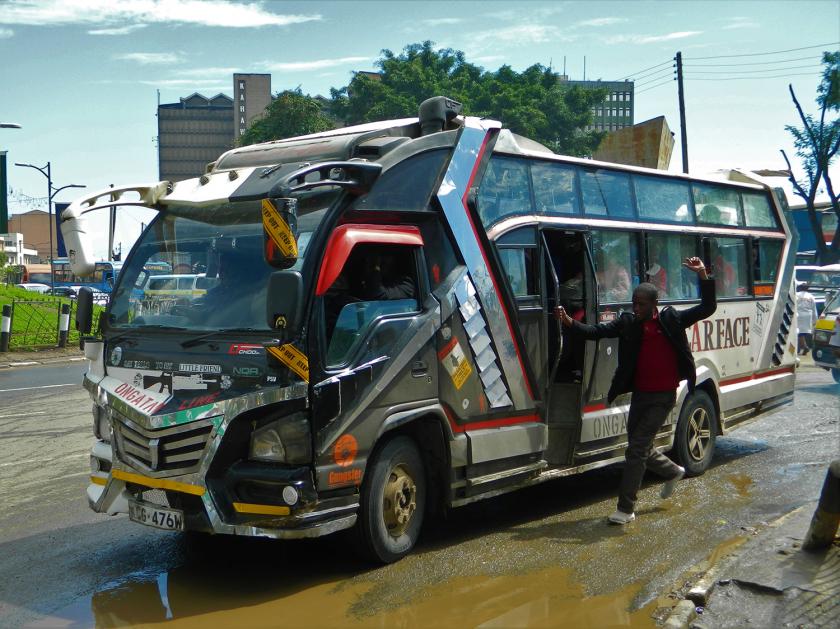 Matatus and buses: cheap and chaotic, best for experienced travelers.
- Boda-bodas (motorbike taxis): fast but risky, so check your insurance.
- Car hire: helpful for day trips, Karen and Langata, and long journeys. See the vehicle guidance below.
- Driver-guide: the best option if you would rather not handle traffic, parking, or unfamiliar roads.
- Nairobi Expressway and bypasses: toll roads and bypasses can save time between the airport and Westlands, so confirm current tolls and routes.
- Walking: pleasant in leafy suburbs and malls, but be careful in the CBD and avoid isolated areas after dark.
Self-Drive, Driver-Guided, or Taxis: Choosing Your Transport
Self-drive is permitted in Kenya, and many visitors enjoy the freedom, but Nairobi traffic, roundabouts, and parking can be stressful. Many travelers combine options: a driver-guide or taxis for the city and a self-drive 4×4 for the trip out. If you want to compare vehicles, see car rental in Nairobi, and for pick-up on arrival, see airport car rental in Nairobi.

If you want… | Choose | Why |
Short city trips and evenings | Ride-hailing or taxis | Easy, no parking, and no navigation. |
Stress-free sightseeing | Handles traffic, parking, and local knowledge | |
To explore at your own pace | A compact SUV or saloon | Good for Karen, Naivasha, and paved roads |
Safari or rough roads | A high-clearance 4×4 | Better on park tracks, in rain, and in rough sections |
Group or family wildlife trips | Standing views and photographs for everyone | |
A one-way trip to the coast or the Mara | Collect in one place and drop in another. | |
Camping on a longer route | Useful for the Rift Valley, Amboseli, and Tsavo |
Road rules and safety, whichever vehicle you choose
- Drive on the left, keep to the speed limit, and expect police checkpoints.
- Keep doors locked and windows up in slow traffic, with bags out of sight.
- Avoid night driving outside the city, where unlit trucks and animals are common.
- Use paid, secure parking and never leave valuables visible.
- Use a navigation app and download offline maps before long trips.
- In parks, stay on marked tracks and never approach animals.
Local notes from our team Traffic: avoid crossing the city at peak hours, especially on Thika Road and Mombasa Road. Airport: allow extra time for security and traffic on the way back. Parks: Reach Nairobi National Park at the gate opening for the best light. Kit list: layers, sun hat, binoculars, power bank, cash for tips, and offline maps.
Where to Stay in Nakuru
Accommodation falls into four groups, and the best choice depends on your budget, your style of travel, and how much driving you want to do on arrival.
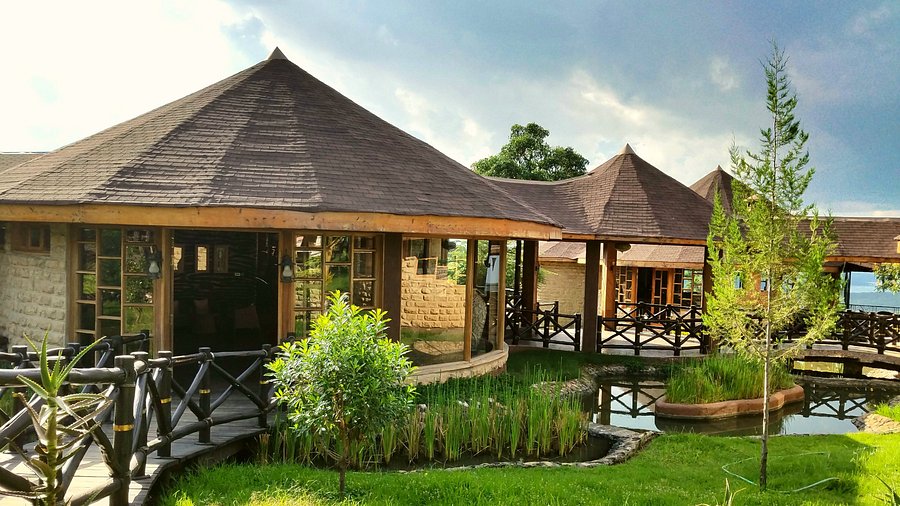
- Inside or beside the national park: lodges and tented camps put you minutes from the gates, so you can enter at dawn and return for a midday rest. Examples in the area include Lake Nakuru Lodge, Sarova Lion Hill Game Lodge, Lake Nakuru Sopa Lodge, and Flamingo Hill Tented Camp. Check current availability and rates.
- Public and special campsites in the park: campsites such as Makalia, Reedbuck, Naishi, Rhino and Chui are reported inside the park, along with picnic sites at Baboon Cliff and Out of Africa. Book through the official park system, because rules and availability change.
- Nakuru city hotels: a good choice for travellers who want restaurants, supermarkets and short drives to Main Gate, Hyrax Hill and Menengai Crater.
- Elmenteita, Naivasha and Gilgil lodges: suitable if you plan to combine Nakuru with the lakes along the Nairobi side of the highway.
If you are driving yourself, choose accommodation with secure parking, and check how far it is from the gate you intend to use. Arriving after dark is possible, but it is easier and safer to reach your lodge or campsite before sunset.
Sample One-Day and Two-Day Nakuru Plans
One day from Nairobi (long but possible)
- 6:00 am: leave Nairobi and stop at the Rift Valley viewpoint.
- 9:00 to 9:30 am: enter through Lanet Gate and start a game drive in the rhino areas.
- 12:00 noon: picnic at Baboon Cliff or the Out of Africa lookout.
- 1:30 pm: a lakeshore drive for birds and, when present, flamingos.
- 4:00 pm: exit the park before the gates close.
- 4:30 pm: begin the drive back, ideally reaching Nairobi before the late-evening traffic, so expect a tiring day.
Two days: park, crater and lakes
- Day 1: leave Nairobi early, stop at Lake Naivasha or the Rift Valley viewpoint, arrive at Lake Nakuru National Park for an afternoon game drive, and overnight in or near the park.
- Day 2 morning: a first-light drive through the rhino sanctuary and the fever-tree forest, then breakfast.
- Day 2 midday: visit Hyrax Hill and Menengai Crater, and have lunch in Nakuru town.
- Day 2 afternoon: drive to Lake Elmenteita for birdlife, or continue to Naivasha for a boat ride or Hell’s Gate, and return to Nairobi or carry on to the Mara.
Three to four days: Nakuru as part of the Rift Valley
- Day 1: Nairobi, Lake Naivasha, and a boat ride.
- Day 2: Hell’s Gate cycling and gorge walk, then on to Elmenteita or Nakuru.
- Day 3: Lake Nakuru National Park, with morning and afternoon drives.
- Day 4: Menengai Crater and Hyrax Hill, then continue to Lake Bogoria or return to Nairobi
Is Nakuru a good place for a first-time safari?
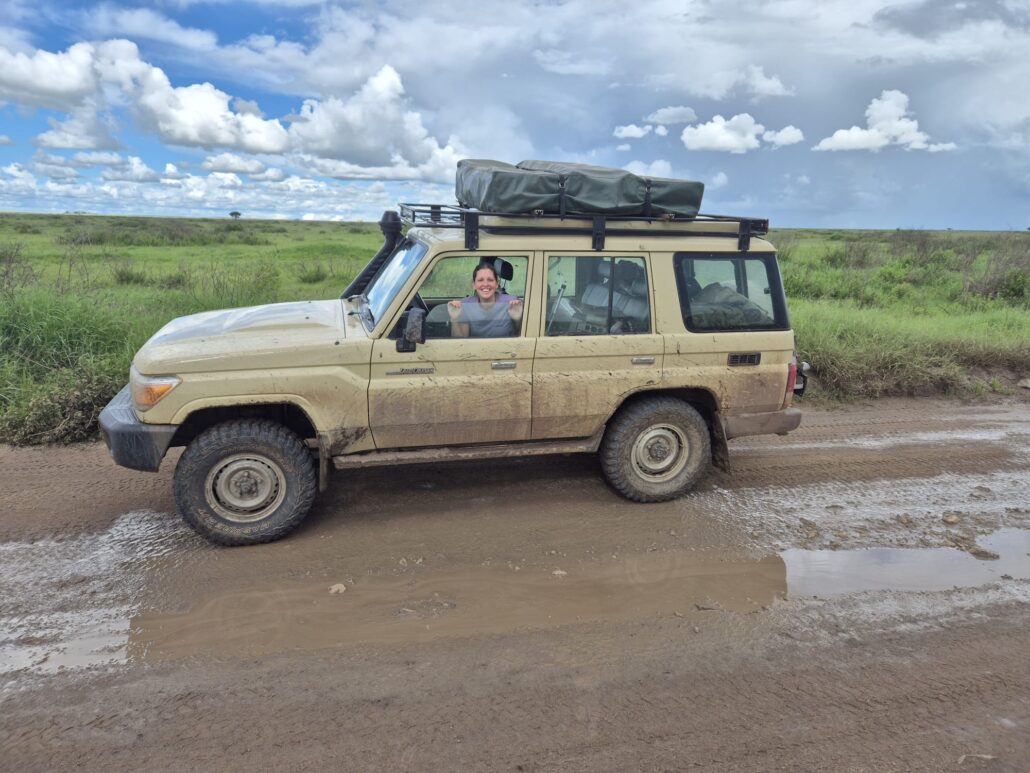 Yes. Nakuru is one of the easiest places to experience a safari in Kenya. The park is compact, the roads are well established, and the animals are straightforward to find, so first-time visitors do not need to spend long days on rough tracks. The city’s facilities also mean that supplies, fuel, medical help, and communication are close at hand. If you later move on to bigger parks, you will already understand how a game drive works. The main caution is expectations: Nakuru offers rhinos, giraffes, and birds more reliably than flamingos, big herds, or elephants.
Before You Travel: Insurance, Health, and Documents
- Kenya eTA: most foreign visitors need an electronic travel authorization before arrival.
- Mandatory travel health insurance: most overseas visitors who travel on an eTA now have to show a Kenyan health insurance policy, a separate cost from your rental and your cover. It is added during the eTA application or bought through eCitizen. Rules and premiums have been adjusted since launch, so check the official portal on the day you apply.
- Your cover: keep a full travel policy that includes medical evacuation.
- Driving documents: carry your license and an International Driving Permit, plus your rental agreement and insurance papers.
- Park fees and gate rules: tariffs and procedures change, so confirm the current rates and payment methods before you travel. Tickets are typically bought through the government’s cashless system.
- Health notices: an Ebola outbreak linked to the DR Congo is affecting regional travel this month. Kenya’s main safari areas are described by operators as unaffected, yet airports and borders run screening, so read the latest Ministry of Health and embassy notices shortly before you leave.