Kisumu Travel Guide: Lake Victoria, Things to Do, Where to Stay and Western Kenya Day Trips

Kisumu is Kenya’s lakeside city on the shore of Lake Victoria, a warm and relaxed port of roughly half a million people where you can watch hippos at sunset, eat fresh tilapia by the water, and reach rainforest, tea country, and some of western Kenya’s best cultural sites within a day’s drive. It is the main gateway to western Kenya and the Lake Victoria circuit. Plan two days for the city and lake and three to six days if you want to add Kakamega Forest, Kericho, Rusinga, and Mfangano Islands, Ruma National Park, or the Maasai Mara. Confirm opening hours, fees, boat schedules, and road conditions before you go.

Kisumu is Kenya’s main city on Lake Victoria, in the west of the country, roughly a six- to seven-hour drive from Nairobi. It is known for its lakeshore sunsets, hippos and birdlife, the Kisumu Impala Sanctuary, Dunga Beach, local Luo culture, and fresh tilapia, and it is a convenient base for Kakamega Forest and the tea country around Kericho. It is also a natural gateway for road trips into Uganda and Tanzania. Most visitors spend one to three days here.

Kisumu is a city that looks outward to the water. The streets slope toward Lake Victoria, the second largest freshwater lake in the world, and in the evening the whole town seems to drift to the shore to watch the light turn gold over the horizon. Fishing boats pull up on the sand, hippos snort in the shallows, and the smell of grilled fish drifts from the lakeside stalls. It is slower and warmer than Nairobi, and many travelers find it an easygoing place to spend a day or two, particularly when it is part of a longer overland journey.

This guide explains what Kisumu offers, how the city and lakeshore are laid out, what to do, where to stay, how to get around, and which day trips are worth adding. It is written for first-time visitors, safari travelers extending a trip west, business travelers with a free afternoon, and anyone planning a self-drive holiday. If you are starting in the capital, read our Nairobi travel guide, and for the coast, our Mombasa travel guide covers the other end of the country.

Kisumu at a Glance

Quick factWhat to know
LocationWestern Kenya, on the Winam Gulf of Lake Victoria, about 350 km north-west of Nairobi
What it isKenya’s third-largest city, the capital of Kisumu County and the main lake port, with an international airport
Famous forLake Victoria sunsets, hippos, fresh fish, the Impala Sanctuary, Dunga Beach, lively markets and Luo culture
LanguagesEnglish and Swahili are widely used, and Dholuo is the main local language
ClimateWarm and humid, usually about 18 to 30°C, with frequent afternoon thunderstorms and no truly dry season
AltitudeAbout 1,130 m above sea level, so it feels much warmer than Nairobi
CurrencyKenyan shilling (KES). Cards are accepted in hotels and malls, and M-Pesa mobile money is used everywhere
Time neededTwo days for the city and lake, plus extra days for Kakamega, Kericho and the islands
Main areasCBD and the old port, Milimani, Kibos, Dunga, Mamboleo, Nyalenda and the airport area
Best forLake views, fresh fish, birds and wildlife, culture and a base for western Kenya

Kisumu at a Glance

Quick fact

What to know

Location

Western Kenya, on the Winam Gulf of Lake Victoria, about 350 km north-west of Nairobi

What it is

Kenya’s third-largest city, the capital of Kisumu County and the main lake port, with an international airport

Famous for

Lake Victoria sunsets, hippos, fresh fish, the Impala Sanctuary, Dunga Beach, lively markets, and Luo culture

Languages

English and Swahili are widely used, and Dholuo is the main local language.

Climate

Warm and humid, usually about 18 to 30°C, with frequent afternoon thunderstorms and no truly dry season

Altitude

About 1,130 m above sea level, so it feels much warmer than Nairobi.

Currency

Kenyan shilling (KES). Cards are accepted in hotels and malls, and M-Pesa mobile money is used everywhere.

Time needed

Two days for the city and lake, plus extra days for Kakamega, Kericho, and the islands

Main areas

CBD and the old port, Milimani, Kibos, Dunga, Mamboleo, Nyalenda, and the airport area

Best for

Lake views, fresh fish, birds and wildlife, culture, and a base for western Kenya

Is Kisumu Worth Visiting?

Yes, especially if you want a slower, warmer, and less crowded side of Kenya. Kisumu has changed from a quiet railway and lake port into a pleasant city with a revived waterfront, appealing restaurants, and a friendly pace. A few hours on the lake at sunset, a plate of fried tilapia and a stroll through a busy market are some of the simplest pleasures in the country. It also opens the door to western Kenya, with rainforests at Kakamega, tea estates at Kericho, and remote islands on Lake Victoria.

It is not a classic safari town. Wildlife here means hippos, birds, impala, monkeys, and rainforest primates rather than the Big Five. Afternoons can be hot and humid, mosquitoes are a real consideration, and some sights need a driver or a boat. With careful planning, it is a rewarding stop on a longer Kenya trip.

Who it suits best

  • Lake and sunset lovers who want boat rides, birds, and hippos.
  • Culture and history fans interested in Luo heritage, rock art, and ancient stone settlements.
  • Nature and bird watchers heading for Kakamega Forest and the Dunga wetland.
  • Food lovers who want fresh lake fish and traditional vegetables.
  • Business travelers and visitors to western Kenya.
  • Self-drivers and road-trippers exploring the Lake Basin and Rift Valley.

Top Places to Visit in Kisumu

The Lakeshore and Lake Victoria

Kisumu Impala Sanctuary

The Kisumu Impala Sanctuary, on the lake shore close to the city, is a small protected area known for impalas, zebras, hippos, and a wide variety of birdlife. It is simple to reach, compact enough to see in a couple of hours, and offers pleasant walking and viewing along the water’s edge. Check current opening arrangements and rules before you go, and keep a respectful distance from wildlife.

Dunga Beach and Dunga Wetlands

Dunga, a short drive from the center, is a working fishing village and a popular place to watch local life on the lake. Visitors can see fishing boats come and go, enjoy a meal of freshly caught fish, and take a boat trip across the water, where hippos and birds are often visible. Boat prices and arrangements vary, so agree on the route and cost before setting off.

Hippo Point and the Waterfront

Hippo Point, along the shore, is known as a place to watch hippos in the water, and the waterfront more broadly is the best spot for sunset views. Hippos are dangerous, especially on land at night, so follow local guidance and avoid walking near the shore after dark.

Ndere Island National Park

Ndere Island National Park, a small island in the lake near Kisumu, protects hippos, birds, and several other animals and is reached by boat. It suits travelers who want a quiet nature excursion on the water. The park authority and operators set access arrangements and rules, so confirm them in advance.

Best Things to Do in Kisumu

Lake and wildlife

Attraction

What you get

Tips

Lake Victoria boat rides

Sunset and birdwatching cruises on the Winam Gulf, with fishing boats and papyrus shores

Go in the late afternoon, agree on the price and route first, and ask for life jackets.

Hippo Point

A lakeside spot where hippos often surface, best seen by boat at dusk

Use a local boatman, keep a safe distance, and never leave the boat.

Dunga Beach and Wetland

A fishing village with a boardwalk, birds, hippos, craft stalls, and fresh fish

Go in the afternoon for the fish market and sunset. Check the visitor rules.

Kisumu Impala Sanctuary

A small Kenya Wildlife Service sanctuary on the lakeshore with impala, other animals, and many birds

Short and family-friendly. Walk or drive slowly with a ranger.

Ndere Island National Park

A quiet island on Lake Victoria for walking, birds, and wildlife

Reached by boat, so confirm access, permits, and conditions in advance.

Kisumu Museum

Displays on Luo culture and wildlife, a traditional homestead, a snake park, and an aquarium

Combine with a city walk in the morning.

History, culture, and markets

  • Kisumu Pier and Port Florence: the old lake port, with a sense of the railway and steamship era.
  • Kibuye Market and Kisumu Central Market: large, busy open-air markets selling fish, fruit, vegetables, fabrics, and crafts. Go with a guide if it is your first visit.
  • Kit Mikayi: a famous balanced rock formation in Seme with Luo legends attached, about 30 km from the city.
  • Kogelo village, Siaya County: the ancestral home area of the Obama family, reachable as a day trip. Check access and opening arrangements first.
  • Oginga Odinga and Tom Mboya sites: mausoleums and historic places linked to key Kenyan political figures in Bondo and on Rusinga Island.
  • Lake Basin Mall and city malls: air-conditioned shopping, coffee, and dining.
  • Craft shops and soapstone: carvings from Tabaka in Kisii and beadwork are common souvenirs.

Nature and outdoors near the city

  • Kakamega Forest: Kenya’s remaining tropical rainforest, with colobus and blue monkeys, hornbills, butterflies, and walking trails. It is best explored with a guide.
  • Kericho tea country: rolling green estates, with tea tours at some plantations.
  • Lake Simbi Nyaima: a crater lake linked to a local legend, with birds and flamingos at times.
  • Ruma National Park: a quiet park in the Lambwe Valley, known for roan antelope, Jackson’s hartebeest, Rothschild’s giraffe, and birds.
  • Rusinga and Mfangano Islands: remote Lake Victoria islands with fishing communities, prehistoric sites, rock art, and lodges.
  • Thimlich Ohinga: a UNESCO World Heritage stone settlement in Migori County, best considered part of an overnight trip.

Active and relaxed

  • Sunset cocktails and lakeside dining along the waterfront.
  • Birdwatching at Dunga, the Impala Sanctuary, and Kakamega.
  • Sport fishing on Lake Victoria, arranged through local operators.
  • Cycling and walking in quieter parts of the city and countryside.
  • Live music and nightlife in the CBD and Milimani. Use a taxi after dark.

Food and Drink in Kisumu

Kisumu is the best place in Kenya to eat lake fish. Fresh tilapia and Nile perch are grilled or deep-fried and served with ugali, kachumbari, and sauces. Small silver omena fish, called “dagaa” in some places, are a local staple, often cooked with tomatoes or stewed with greens.

  • Fried tilapia with ugali: the signature dish, best at lakeside restaurants and at Dunga Beach.
  • Omena: small, crunchy fish, often served with ugali and vegetables.
  • Traditional vegetables: managu, kunde, and other leafy greens are common in Luo and Luhya kitchens.
  • Chapati, pilau, and samosas: easy street and café food.
  • Nyama choma: grilled meat is available everywhere.
  • Coffee, tea, and fresh juice: Kericho tea and Kenyan coffee are excellent.
  • Street food: roasted maize, mandazi, and fruit, best at busy stalls.

Day Trips and Wildlife Near Kisumu

Kisumu is a good base for western Kenya. Distances below are approximate by road, so allow extra time for traffic, rain, and rough sections.

Place

Approx. distance

Famous for

Tips

Kisumu Impala Sanctuary

3 to 5 km from the center

Impala, birds, and lake views

A short, easy stop

Dunga Beach and Hippo Point

About 5 to 10 km

Hippopotamuses, birds, boats, and fish

Go in the afternoon for sunset

Kit Mikayi

About 30 km

A balanced rock and Luo legends

Hire a local guide.

Kogelo village

About 60 km, around 1.5 hours

Home area of the Obama family

Confirm access before you go.

Kakamega Forest

About 50 to 90 km, 1.5 to 2 hours

Rainforest, primates, birds, and butterflies

Start early and use a local guide.

Kericho

About 70 to 100 km, 1.5 to 2 hours

Tea estates and cool highlands

Pair with a tea tour.

Lake Simbi Nyaima

About 120 km, around 2.5 hours

A crater lake with a local legend

Often combined with Homa Bay

Ruma National Park

About 150 km, around 3 hours

Roan antelope, giraffes, and birds

Needs a 4×4 in wet weather

Rusinga and Mfangano Islands

3 to 5 hours with a boat transfer

Rock art, fishing villages, and lodges

Overnight stays are best.

Thimlich Ohinga

About 200 km, 4 to 5 hours

A UNESCO stone settlement

Make it an overnight trip.

Maasai Mara National Reserve

About 5 to 6 hours

The Great Migration and big cats

Allow at least two nights.

Mount Elgon and Saiwa Swamp

3 to 4 hours

Mountain scenery and sitatunga antelope

Specialist trips, best with a guide

Tip: Kenya Wildlife Service (KWS) manages most national parks and reserves, while county governments, communities, and private operators manage other sites. Fees, permits, and payment systems vary and change, so confirm directly before you go.

Best Time to Visit Kisumu

Kisumu is warm all year, and rain can arrive at any time. Afternoon thunderstorms are common, with the heaviest rain usually in the long rains and a second wetter period in the short rains.

  • For the driest weather: December to February, though it can still rain.
  • For the long rains: about March to May, when roads can be muddy and boat trips are less reliable.
  • For the short rains: October to November, usually lighter.
  • For birdwatching and greenery: the wetter months bring lush scenery and many birds.
  • For sunsets and calm lake days: the drier months generally give clearer skies.
  • For holiday crowds: late December and early January, when hotels and flights book up.

Carry a light rain jacket, sun protection, and insect repellent at all times.

How to Get to Kisumu
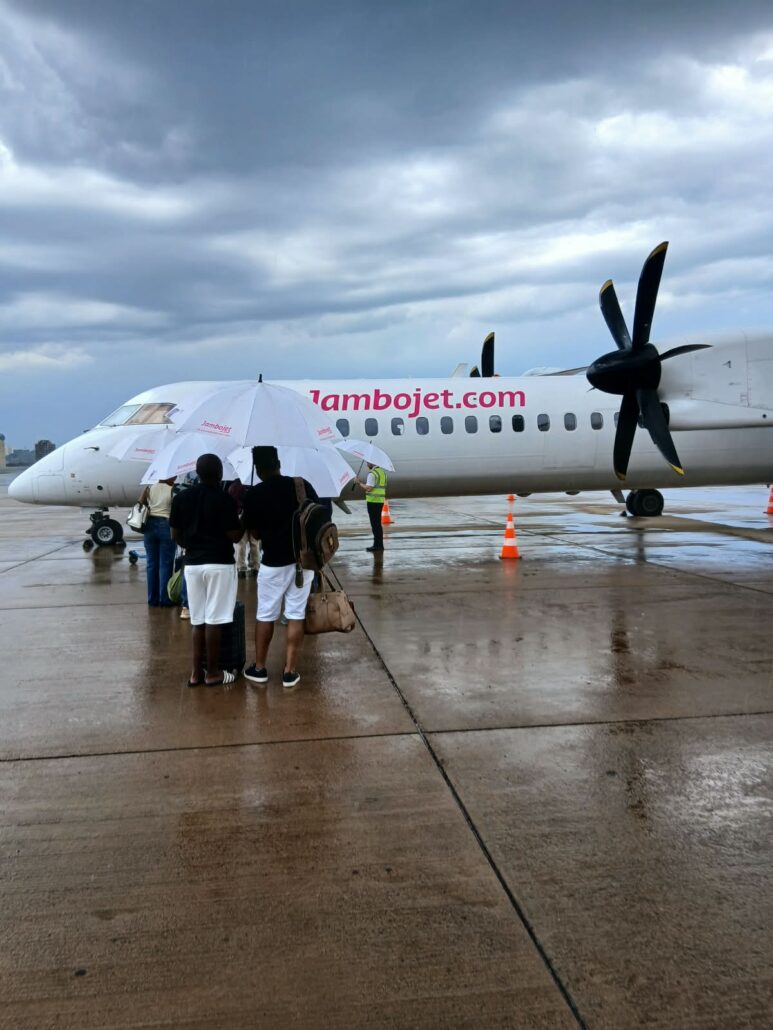
Getting to Kisumu By Flight—Kisumu Travel Guide

  • By air: Kisumu International Airport (KIS) is about 7 km from the center, with flights from Nairobi taking roughly an hour. Check which airlines currently operate the route.
  • By road: the journey from Nairobi is about 350 km via Naivasha, Nakuru, Kericho, and Kisumu and usually takes 6 to 7 hours or more. The road is busy with trucks, so start early and avoid night driving.
  • By bus: long-distance coaches run daily between Nairobi, Nakuru, Kericho, and Kisumu.
  • By train: the Kenya Railways network has limited passenger services in the west, so confirm availability before planning around it.
  • From Uganda and Tanzania: road links exist via Busia and Isebania. Cross-border car hire requires special permission, so see our guide to cross-border car rental from Kenya.
  • By lake: passenger boats and ferries link some lake towns, but schedules and safety standards vary, so confirm locally.

Getting Around Kisumu

Kisumu is compact and relatively straightforward to navigate compared with Nairobi, and traffic is lighter, though it can be busy near markets and the CBD at peak times.

  • Taxis: useful for evenings and short trips, and agree the fare first if there is no meter.
  • Ride-hailing: available in some areas, so check which apps currently operate.
  • Tuk-tuks: an inexpensive way to cover short distances.
  • Boda-bodas (motorbike taxis): common and fast, but riskier, so check your insurance.
  • Matatus and buses: cheap and busy, best for experienced travelers.
  • Car hire: helpful for Kakamega, Kericho, Ruma, and the islands. See the vehicle guidance below.
  • Driver-guide: the best option for unfamiliar roads, long days, and rural sites.
  • Boats: local boatmen run lake trips, so agree on the price, route, and safety gear first.
  • Walking: pleasant along the waterfront and in Milimani in daylight, but avoid isolated areas after dark.

Where to Stay in Kisumu and Western Kenya

Choose your base according to what you want to do. Milimani suits quiet comfort, the CBD suits business and short stays, Dunga suits lake views and birds, and Kakamega and the islands suit nature and remote escapes.

Area

Best for

What to expect

Milimani

Quiet, leafy, upmarket stays

Hotels, guesthouses, and restaurants on the hill above the city

CBD and waterfront

Business trips and short stops

Central hotels, markets, banks, and easy access to the pier

Dunga and the lakeshore

Birds, hippos, and sunsets

Small lodges, camps, and lakeside restaurants

Kibos and the airport area

Early flights and late arrivals

Convenient hotels, away from the main sights

Kakamega Forest

Rainforest and birding

Forest lodges, rest houses, and campsites

Rusinga and Mfangano Islands

Remote lake escapes

Lodges and small camps, usually with boat transfers

Kericho

Tea country and cool air

Hotels and lodges near the estates

Well-known stays reported by published guides include Imperial Hotel, Acacia Premier Hotel, and Sovereign Hotel in Kisumu; Dunga Hill Camp near the lake; Rusinga Island Lodge and Mfangano Island Camp on the lake; and Rondo Retreat and the Kakamega Forest rest houses in the forest. Check that each property is still operating and compare current rates before you book. If you plan to camp on a longer trip, you can arrange equipment through camping gear and rooftop tent rental.

Budget tips: guesthouses in Milimani and the CBD, self-catering apartments, and shoulder-season rates from April to June can reduce costs.

Self-Drive, Driver-Guided, or Taxis: Choosing Your Transport

Self-drive is permitted in Kenya and works well around Kisumu, with paved main roads to Kericho, Kakamega, Nakuru, and the airport. Rural roads around the lake, Ruma, and the islands can be rough and slippery after rain, so a high-clearance vehicle is wise. If you want to compare vehicles, see car rental Kisumu, and for the long drive from the capital, read Nairobi to Kisumu self-drive.
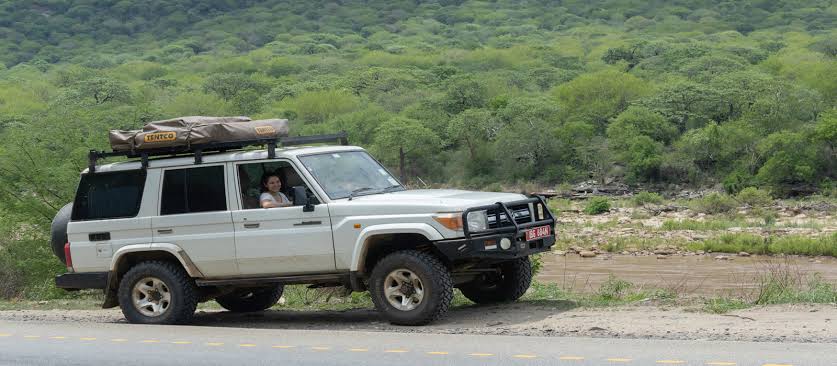
Car Rental aberdare National Park

If you want…

Choose

Why

Short city trips and evenings

Taxis or tuk-tuks

Easy, with no parking or navigation

Stress-free long days

A driver-guide

Handles roads, parking, and local knowledge

To explore at your own pace

A compact SUV or saloon

Good for Kisumu, Kericho, and paved roads

Rural roads, Ruma or wet weather

A high-clearance 4×4

Better on mud, gravel, and rough tracks

Group or family wildlife trips

A safari vehicle with a pop-up roof

Standing views and photographs for everyone

A one-way trip from Nairobi

One-way car rental

Collect in one city and drop in another, with no backtracking.

Camping on a longer route

Camping gear and rooftop tent rental

Useful for Kakamega and the wider west

Road rules and safety, whichever vehicle you choose

  • Drive on the left, keep to the speed limit, and expect police checkpoints.
  • Avoid night driving, where unlit trucks, animals, and boda-bodas are common.
  • Keep doors locked and valuables out of sight in towns.
  • Use paid, secure parking and never leave luggage in view.
  • Watch for heavy rain, potholes, and washed-out sections, especially in the wet months.
  • Carry water, a charged phone, and offline maps for rural areas.

Local notes from our team Timing: leave Nairobi early and aim to reach Kisumu before dark. Lake trips: go late in the afternoon for hippos and sunset, and wear insect repellent. Roads: allow extra time on the Nakuru to Kisumu stretch because of trucks and roadworks. Kit list: rain jacket, sun hat, binoculars, repellent, cash, and offline maps.

Sample Kisumu Plans

One day in Kisumu

  • Morning: Kisumu Museum and the Impala Sanctuary.
  • Midday: fried tilapia lunch by the lake.
  • Afternoon: Kibuye Market or the pier.
  • Evening: a sunset boat ride to see hippos at Dunga.

Two to three days: city and lake

  • Day 1: the museum, the Impala Sanctuary, and the waterfront.
  • Day 2: Dunga Beach, a boat trip and a fish lunch.
  • Day 3: Kit Mikayi and Kogelo, or a rest day.

Five days: lake, forest, and tea

  • Day 1: arrive at the waterfront and have a sunset boat ride.
  • Day 2: Kakamega Forest.
  • Day 3: Kericho tea estates.
  • Day 4: Dunga Beach, markets and Kit Mikayi.
  • Day 5:

Seven to ten days: western Kenya and the Mara

  • Days 1 to 2: Kisumu and the lake.
  • Day 3: Kakamega Forest.
  • Days 4 to 5: Rusinga or Mfangano Island, or Ruma National Park.
  • Days 6 to 8: Maasai Mara.
  • Days 9 to 10: return to Nairobi through the Rift Valley, or fly home.

Using Kisumu as a Starting or Ending Point

Kisumu works as the first or last stop on a western loop. A common pattern is to fly from Nairobi, enjoy the lake and Kakamega, then continue to the Maasai Mara by road. Another is to drive from Nairobi through the Rift Valley and Kericho, finish on the lake, and fly back. Our Kenya safari routes guide shows how the circuits fit together, our Nairobi travel guide covers the capital, our Mombasa travel guide covers the coast, and our guide to cross-border car rental from Kenya explains routes into Uganda and Tanzania.

Before You Travel

  • Travel authorization: most overseas visitors need a Kenya eTA before they fly. Check the official portal for the latest rules.
  • Required health insurance: Kenya asks most foreign visitors who enter on an eTA to hold a Kenyan inbound health insurance policy. Rules have changed since launch, so confirm the details on the day you apply.
  • Your cover: keep a comprehensive travel policy with medical evacuation.
  • Malaria: the Lake Victoria region is a higher-risk malaria area, so talk to a travel clinic about prophylaxis, use repellent, and sleep under a net where provided. A yellow fever certificate may be required if you arrive from an affected country.
  • Water and food: drink bottled or treated water and eat freshly cooked food.
  • Lake safety: do not swim in Lake Victoria unless a reliable local advises it, as hippos, crocodiles, and waterborne illness are real risks.
  • Sun and heat: use strong sun protection and stay hydrated.
  • Driving documents: bring your license and an International Driving Permit.
  • Money: carry some cash for markets, boats, and tips, and use cards at hotels and malls.
  • Personal safety: keep phones and bags out of sight, avoid isolated areas at night, and use registered taxis.
  • Travel advisories: consult current government advice and local news before and during your trip.

Practical Tips for Visiting Kisumu

Plan for heat and humidity. Wear light, breathable clothing, use sun protection, carry water and take breaks in the middle of the day. Western Kenya has a higher risk of mosquito-borne illness, so check current travel health advice with a medical professional before you travel, and use insect protection.

Take care around the water. Hippos are dangerous, and swimming in the lake is generally not advised because of health risks and wildlife, so follow local guidance. Keep valuables out of sight, lock vehicle doors, park in secure places and ask your hotel about areas to avoid after dark. Check opening hours, fees and boat arrangements for each attraction, and confirm conditions on the day.

Where Kisumu Fits in a Longer Route

Kisumu is the hub of western Kenya and a natural stage on routes between Nairobi, Uganda, and Tanzania. From here, the road leads west to the Busia and Malaba crossings, then continues onward to Jinja and Kampala, and further south and west toward Isebania/Sirari and northern Tanzania. Our Uganda and Tanzania safari routes pages explain the routes on the other side of the border, while our Kenya safari routes page shows how western Kenya fits into the rest of the country. If you are starting from the capital, our Nairobi travel guide explains how to plan your first days.

Frequently Asked Questions About Kisumu

Where is Kisumu?

In western Kenya, on the shore of Lake Victoria’s Winam Gulf, about 350 km from Nairobi.

Is Kisumu worth visiting?

Yes. It offers lake views, fresh fish, birds, culture, and an easy base for western Kenya.

What is Kisumu best known for?

Kisumu is best known as Kenya’s main city on Lake Victoria, with lakeshore sunsets, hippos and birdlife, the Impala Sanctuary, Luo culture and fresh fish. It is also a gateway to Kakamega Forest and a hub for travel into Uganda and Tanzania.

How far is Kisumu from Nairobi?

Kisumu is roughly a six- to seven-hour drive from Nairobi, depending on traffic and road conditions. There are also domestic flights, subject to schedules.

How Many Days Do You Need in Kisumu?

One day is enough to enjoy the waterfront, the Impala Sanctuary, and a lakeside meal. Two days let you add Dunga, the museum, and a boat trip, and three days or more suits travelers who want to include Kakamega Forest, the Kericho tea estates, or the islands. If you are driving through on the way to Uganda or Tanzania, a single night is a sensible compromise.

What is the best time to visit Kisumu?

December to February is generally the driest period, though rain can fall at any time. The long rains occur from March to May.

What are the best things to do in Kisumu?

Take a sunset boat trip to see hippos, visit Dunga Beach and the Impala Sanctuary, eat fried tilapia, explore Kibuye Market and the museum, and plan a day trip to Kakamega Forest.

Is Kisumu safe for tourists?

Most visitors have trouble-free trips if they use normal precautions, such as using registered taxis, avoiding isolated areas at night, and keeping valuables out of sight. Check current advisories before you go.

Is there malaria in Kisumu?

Yes. The Lake Victoria region is a higher-risk area, so ask a travel clinic about prophylaxis and use repellent.

Can I swim in Lake Victoria?

No, it is generally not recommended because of hippos, crocodiles, and waterborne illness. Enjoy the lake by boat instead.

How do I get from Nairobi to Kisumu?

You can get there by flight in about an hour, by road in around 6 to 7 hours or more, or by coach.

Can I drive from Nairobi to Kisumu?

Yes. The road passes Nakuru and the Kericho tea country and is often broken with an overnight stop. Start early, avoid driving at night where possible, and allow for slow-moving trucks and road works.

Can I go from Kisumu to Uganda or Tanzania by road?

Cross-border arrangements may be possible subject to vehicle approval, insurance, documents, and route permissions. Potential crossings include Busia for Uganda and Isebania/Sirari for Tanzania. Please confirm your full route with us before booking.

Can I do a one-way rental from Nairobi to Kisumu?

It may be possible depending on vehicle availability and the rental terms, and additional charges may apply. Request a written quote that confirms the drop-off arrangement and the full price.

Do I need a 4×4 around Kisumu?

The main roads are paved, but a 4×4 with good ground clearance is recommended for Kakamega Forest tracks, Ruma National Park, and the rainy season. Please request the vehicle and equipment details in writing when you ask for a quote.

Can I self-drive to Kisumu?

Yes. The main road is paved but busy with trucks, so start early and avoid night driving. A 4×4 is best for rural roads after rain.

Can I see large animals near Kisumu?

Not the Big Five. You can see hippos, impala, birds, and primates, and Ruma National Park has roan antelope and giraffes. The Maasai Mara is about 5 to 6 hours away.

Do I need a visa or eTA?

Most overseas visitors need a Kenya eTA. Check the official portal for the latest rules and insurance requirements.

How much does it cost to enter the parks?

Fees vary by park, visitor category, and season. Confirm the current tariff and payment method with the Kenya Wildlife Service.

Get a Quote for Your Kisumu and Western Kenya Trip

Please let us know your dates, party size, pick-up point, and whether you want a city and lake stay, a Kakamega or Kericho day trip, or a one-way journey between Nairobi and Kisumu. We will suggest the vehicle that fits, from a compact car for the city to a self-drive 4×4, a pop-up roof safari vehicle, a driver-guide, or a rental with camping equipment, and send itemized costs, insurance, and paperwork details before you commit.

Request a quote from Car Rental 4×4:

Scroll to Top