Tanzania Safari Routes and Cross-Border Car Rental Guide.

“Tanzania Safari Routes: Plan Your 4×4 Journey from Arusha or Dar es Salaam to the Serengeti, Ngorongoro, Tarangire, Mikumi, Nyerere, and Beyond”

Tanzania safari routes are a set of decisions: which circuit fits your dates, how many hours you will spend on the road, who drives, where you sleep, and whether the trip stays in Tanzania or carries on to Kenya, Uganda, or Rwanda.
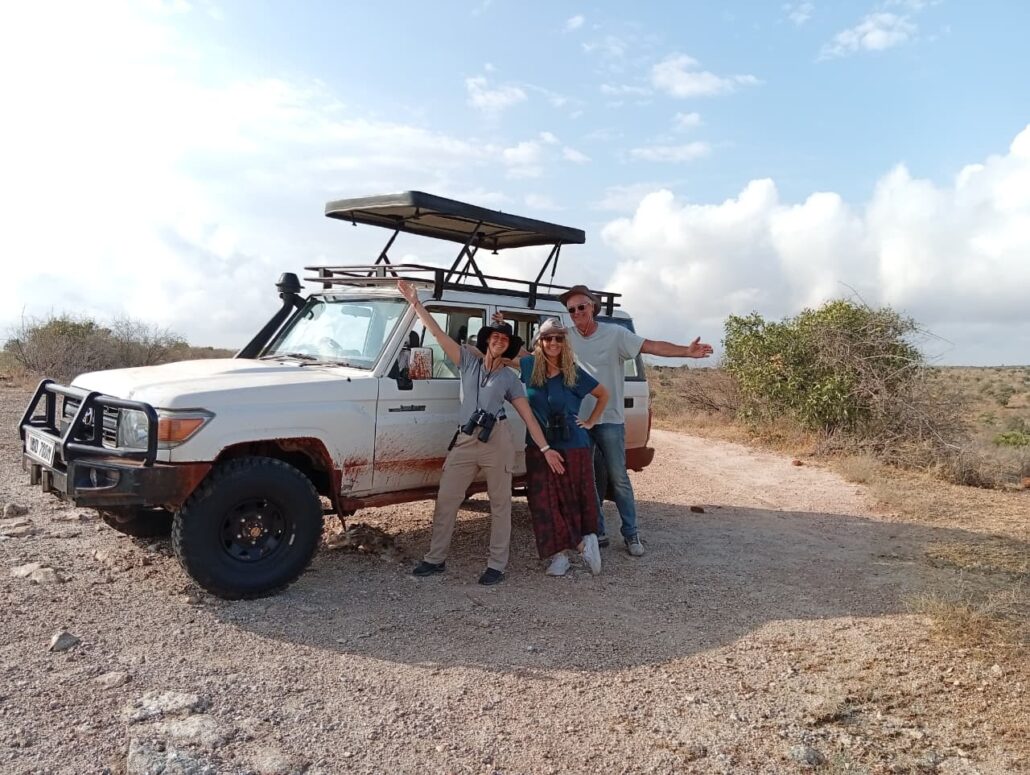
Land cruiser with Pop up roof for car rental 4x4. Kenya Self-Drive and Wildlife SafariTanzania is a country that seems designed for the road. A single journey can carry you from the baobab- studded hills of Tarangire to the forested rim of Lake Manyara National Park, up to the rim of the Ngorongoro Crater and out across the Serengeti, where the horizon is so wide that weather arrives in visible columns. The reward for those long drives is a quality of wilderness that few places can match.

Car Rental 4×4 supports Tanzania safaris by driver-guided 4×4 and, where the route, park rules, and rental terms allow, by self-drive arrangements, with options such as a pop-up roof for wildlife viewing and a rooftop tent or camping gear for travelers who prefer to sleep under canvas. This page walks through the main Tanzania safari routes, explains who each one suits, and shows how to match a route to your travel dates, group, and budget. We confirm all vehicles, equipment, routes, and park access arrangements in writing for your specific booking.

When you have a route in mind, or only half of one, the quickest way forward is a tailored quote. Tell us your dates, the parks you hope to visit, and how many people are traveling, and we will help shape the rest.

First, a Note on Driving and Guiding in Tanzania

Being allowed to drive a rental vehicle in a country is not necessarily the same as being allowed to conduct a commercial, driver-guided safari there. Tanzania’s parks and conservation areas also have their own access rules, and these differ from park to park. Some areas may require a car with a driver in Tanzania, a particular type of vehicle, or a specific permit, and rules can change. Ngorongoro Crater, for example, has its own descent arrangements and time limits.

For this reason, Car Rental 4×4 confirms the operating arrangement for each Tanzania itinerary in writing before you pay, including whether the route is suited to self-drive or driver-guided travel, and what the park or conservation authority requires. Where your trip crosses from Kenya into Tanzania as a guided safari, a planned vehicle-and-driver handover applies, which we explain in a dedicated section below.

How to Choose Between Tanzania Safari Routes

Most Tanzania itineraries are variations on a few classic routes. To choose among them, ask yourself four questions: what you want to see most, how much time you have, how comfortable you are with long drives on mixed roads, and when you are traveling.

What You Most Want to See

Travelers who dream of the Great Migration, endless plains, and big-cat action flock to the Serengeti National Park. Those who want an extraordinary concentration of wildlife in a natural amphitheater look to the Ngorongoro Crater. Tarangire appeals to elephant lovers and photographers who enjoy baobab landscapes, and Lake Manyara offers a gentler stop with varied habitats and birdlife. Travelers who want to leave the busier northern circuit behind may look south and west, where parks such as Nyerere, Ruaha, and Mikumi offer a wilder, quieter experience.

How Much Time Do You Have?
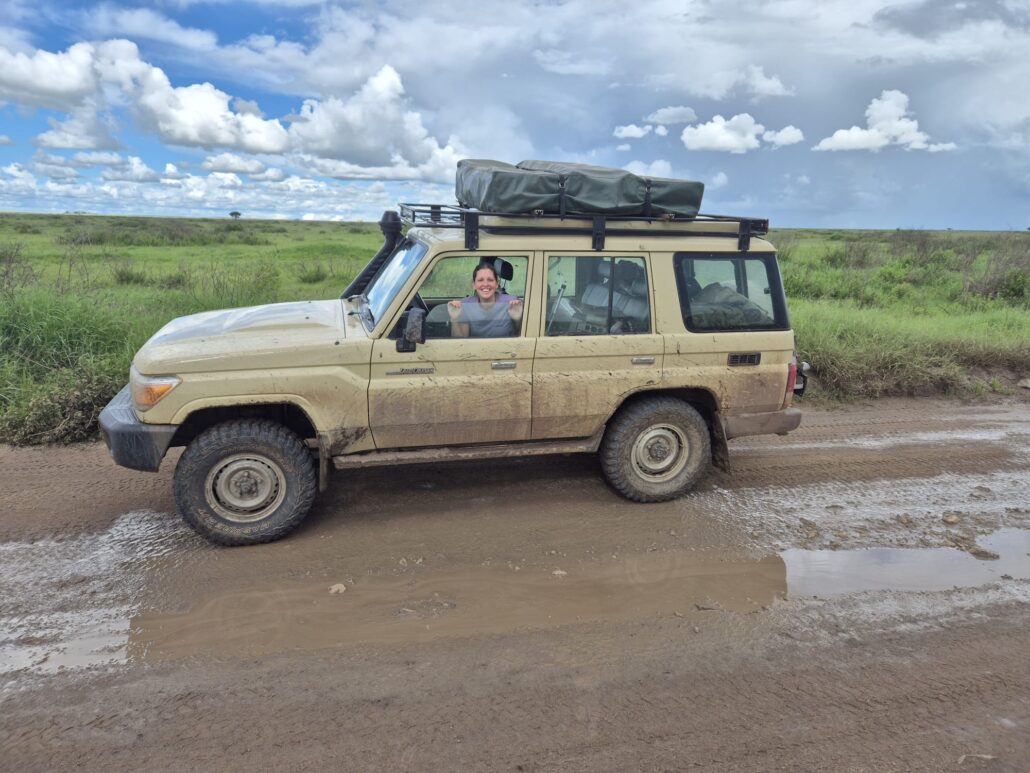
Self Drive Car rental Samburu national ReserveDistances in Tanzania are large. A route that looks short on the map may involve a full day’s drive, so the amount of time you have shapes the route more than any other factor. Short trips work best when they focus on a single cluster of parks, and longer routes reward travelers who are willing to spend time on the road. Allow plenty of margin for delays.

Self-Drive or Driver-Guide

With the car rental option that includes a driver-guide on a driver-guided route, a professional handles navigation, park formalities, and wildlife searches, bringing knowledge of animal behavior that is difficult to replicate alone. For many travelers, a driver-guided route is the most relaxed and rewarding way to experience Tanzania, particularly in the Serengeti and Ngorongoro. Self-drive may suit some routes and some parks, subject to the park rules, the vehicle, and the rental terms. Ask us which parts of your route are suitable for self-drive and where a guide is recommended or required.

The Season You Travel

The seasons closely shape wildlife viewing in Tanzania. The drier months, broadly June to October and January to February, generally offer easier driving and clearer viewing, as animals gather near water. The long rains, broadly March to May, bring green landscapes, fewer visitors, and softer tracks, and the short rains, broadly November to December, are often lighter and less predictable. The Great Migration in the Serengeti follows rainfall and grazing, so the herds’ location varies from year to year and cannot be guaranteed.

Tanzania Safari Routes at a Glance

Most Tanzania safaris start in Arusha and follow one of the road circuits below. The table shows how they compare and which rental option usually fits best.

Route

Typical length

Best for

Best rental match

Northern Circuit: Arusha, Tarangire, Lake Manyara, Ngorongoro, Serengeti

6 to 10 days

The classic Tanzania safari, the Great Migration, the crater

Driver-guide or 4×4 with pop-up roof

Short Northern Loop: Arusha NP, Tarangire, Lake Manyara

2 to 3 days

Elephants, baobabs and a first self-drive warm-up

Self-drive 4×4

Serengeti Migration Routes: Ndutu, Seronera, Northern Serengeti

3 to 6 days

Calving season and Mara River crossings

Driver-guide, or self-drive 4×4 with camping gear

Southern Circuit: Mikumi, Nyerere, Ruaha, Udzungwa

5 to 10 days

Quiet parks, big landscapes, fewer vehicles

Self-drive 4×4 with rooftop tent, or driver-guide

Coast and Islands: Saadani, Tanga, Dar es Salaam, Zanzibar

3 to 7 days

Beach after bush, Swahili heritage

One-way rental, or driver-guide

Multi-country: Tanzania with Kenya, Uganda, or Rwanda

10 to 21 days

Amboseli, the Mara, gorillas, Lake Victoria

Cross-border 4×4, long-term rental, or one-way drop

How to Plan a Tanzania Safari Route

Start with the season and the migration.

  • Late June to October: the long dry season and the best time for general game viewing across the northern parks.
  • July to October: the Great Migration moves through the northern Serengeti, and Mara River crossings take place in the Kogatende area.
  • December to March: herds gather on the southern plains around Ndutu, with calving season from about January to March.
  • May to July: the Grumeti River crossings in the western Serengeti, which are usually less crowded.
  • April and May (long rains): the low season. Many tracks turn to mud, and some camps close, so a capable 4×4 matters even more.
  • November (short rains): brief afternoon showers that do not usually spoil game viewing and are good value.

Know the distances before you commit.

Tanzania’s parks are far apart, and the roads inside them are slow. Use these indicative figures when you build a route.

Leg

Distance and time

Notes

Arusha to Tarangire

About 120 km, 2.5 hours

Easy first day, and a good warm-up.

Arusha to Lake Manyara

About 125 km, 2.5 hours

Short loop with forest tracks

Tarangire to Lake Manyara

1 to 2 hours

A common pairing

Arusha to Serengeti

About 325 km, 7 to 8 hours

Paved to Ngorongoro, then gravel and dirt

Ngorongoro to Serengeti (Seronera)

About 125 km, 3 to 4 hours

Via Naabi Hill Gate and the Ndutu plains

Full Northern Circuit by road

About 800 km over 8 to 10 days

Roads inside the parks are rough, so allow extra time.

Dar es Salaam to Mikumi

Roughly 4 to 5 hours

Via the A7 through Morogoro. Confirm the day’s road conditions.

Dar es Salaam to Tanga

About 354 km on tarmac

Gateway to the coast and Lunga-Lunga border

  • Allow two nights minimum in the Serengeti, and more if you want the migration or a specific region.
  • Do not rush Ngorongoro. The crater descent is a morning highlight and costs a separate vehicle fee.
  • Stay inside the park or camp if you want sunrise and sunset game drives, because park gates have set driving hours.
  • Build in a buffer day for rough roads and weather.

Choose your style: lodges, camps, or a rooftop tent.

Lodges and tented camps suit travellers who want comfort and a guide. Camping suits those who want to keep costs down and sleep in the bush. Public campsites exist in Tarangire, Lake Manyara, the Serengeti, and other parks, and a rooftop tent with camping gear can make a long route far cheaper.

Tanzania Safari Routes by Circuit

Each route below shows what it takes and which rental fits best, so you can move from planning to a shortlist.

Route 1: The Northern Circuit (Arusha, Tarangire, Lake Manyara, Ngorongoro, Serengeti)

Duration

6 to 10 days. This is about 800 km of driving for the complete circuit.

Route

The route includes Arusha, Tarangire, Lake Manyara, Karatu, and the Ngorongoro rim; then the Ngorongoro Crater; and finally the Serengeti via Naabi Hill Gate and Seronera. Add the northern Serengeti for Mara River crossings.

Highlights

Elephants and baobabs in Tarangire, tree-climbing lions and flamingos at Lake Manyara, the crater’s dense wildlife and black rhino, and the Serengeti plains and migration.

Access notes

Roads inside Tarangire, Ngorongoro, and the Serengeti require a high-clearance 4×4. The road from Naabi Hill Gate to Seronera is rocky with washboard sections, and many drivers keep to about 25 km/h.

Rules to know

Self-drive is permitted in most TANAPA parks, but the Ngorongoro Crater floor requires a licensed guide. Park driving is limited to daylight hours, and off-road driving is prohibited.

Best rental match

Driver-guide for the crater and the migration. 4×4 with pop-up roof for photographers and families. Self-drive 4×4 for experienced drivers who want to run Tarangire, Manyara, and the Serengeti themselves.

Route 2: The Short Northern Loop (Arusha NP, Tarangire, Lake Manyara)

Duration

2 to 3 days. Ideal for a first self-drive or a Kilimanjaro-area add-on.

Route

The route takes you from Arusha to Arusha National Park, then to Tarangire, Lake Manyara, and back.

Highlights

Giraffes, elephants, baobabs, a forest and lake setting, and a quieter pace than the Serengeti.

Access notes

The roads are manageable, and the parks see far fewer vehicles than the Serengeti. No guide is needed.

Best rental match

Self-drive 4×4. Add a driver-guide for a day to learn about the parks.

Route 3: Serengeti Migration Routes (Ndutu, Seronera, Northern Serengeti)

Duration

3 to 6 days in the park, on top of the transfer from Arusha.

Route

The route goes from Ngorongoro to the Ndutu plains (December to March), then to Seronera in the center, and finally north to Kogatende for the Mara River (July to October). The Grumeti area in the west suits May to July.

Highlights

In the south, you can see calving and predators; in the north, there are river crossings; and around Seronera, you can find big cats.

Access notes

Distances inside the park are long, and tracks are rough. Fuel points exist at Seronera and near Naabi Hill Gate, but supply is not guaranteed, so carry a jerry can. Off-road driving is prohibited in national parks, though it is permitted in the Ndutu area of the conservation area.

Best rental match

The driver-guide follows the herds. Self-drive a 4×4 with camping gear if you are experienced and have time.

Route 4: The Southern Circuit (Mikumi, Nyerere, Ruaha, Udzungwa)

Duration

5 to 10 days.

Route

Dar es Salaam, Mikumi, Iringa, and Ruaha, with a separate trip to Nyerere (formerly Selous) and optional hikes in Udzungwa.

Highlights

Large predators and elephants with few other vehicles, river scenery, and a sense of space.

Access notes

Distances are long, and facilities are simpler than in the north. Park fees for Nyerere are in the premium tier, while some southern and western parks are cheaper. Confirm road conditions before each leg.

Best rental match

Self-drive 4×4 with rooftop tent and camping gear for experienced travelers. Driver-guide if you want help with remote tracks.

Route 5: Coast and Islands (Saadani, Tanga, Dar es Salaam, Zanzibar)

Duration

3 to 7 days.

Route

Dar es Salaam or Tanga, Saadani National Park, then the beach or the ferry to Zanzibar.

Highlights

The only park in East Africa that meets the Indian Ocean, Swahili towns, and white-sand beaches.

Access notes

The mainland rental stays on the mainland. Rental cars are generally not carried on the ferry to Zanzibar, and Zanzibar requires its own driving permit.

Best rental match

One-way rental between Arusha and Dar es Salaam, or a driver-guide for the coastal legs. Leave the car in secure parking and use a separate vehicle on the island.

Route 6: The Western Parks (Katavi, Mahale, Gombe)

Duration

5 to 10 days, usually with flights or boats.

Highlights

Chimpanzee trekking and remote wilderness.

Access notes

These parks are remote and often require light aircraft or boat access, so a rental vehicle is rarely the right tool. Ask us before planning them.

Best rental match

Driver-guide for road legs, with flights for the rest.

Cross-Border Safari Routes: Tanzania with Kenya, Uganda, and Rwanda

Many travelers research Tanzania first and then realize that the best trip crosses a border. These are the routes that work.

Tanzania and Kenya

  • Namanga route: Arusha to Nairobi and Amboseli, about 270 km. Namanga is a one-stop border post on well-maintained tarmac and is the most used crossing.
  • Isebania/Sirari route: Serengeti to the Maasai Mara, via Tarime and Migori. There is no direct road from the Serengeti into the Mara, so you drive around or fly between airstrips.
  • Holili/Taveta and Tarakea/Oloitoktok: quieter crossings around Kilimanjaro. Horohoro/Lunga Lunga: the coastal crossing from Tanga to Mombasa.
  • Why the car and driver change on guided safaris: commercial safari vehicles and guides are licensed in their home country. Tanzania National Parks has said that, under a 1985 agreement, operators from each country hand guests over at the border towns. A self-drive rental can cross with the right permission and insurance.
  • Kenya’s requirements: an eTA, mandatory Kenya travel health insurance (about USD 44 plus a fee), and, for a foreign-registered car, a temporary import permit (Form C32) and a National Transport and Safety Authority foreign vehicle permit.

Tanzania and Uganda

  • Route: Bukoba or Mwanza to Mutukula, then Masaka and Kampala. Mutukula is an OSBP open 24 hours.
  • Visa: Uganda uses online e-visas, about USD 50, and requires a passenger locator form.

Tanzania and Rwanda

  • Route: Ngara to Rusumo, then Kigali. Rusumo is an OSBP on the Central Corridor.
  • Driving side: Rwanda drives on the right. Tanzania drives on the left.

Tanzania and Zanzibar

You generally cannot take rental cars on the ferry. Park the vehicle in Dar es Salaam, travel to the island by ferry or plane, and arrange a separate vehicle there with the mandatory Zanzibar driving permit (about USD 20 to 30).

Best rental match for multi-country routes

Cross-border 4×4 rental with a letter of authority, a COMESA Yellow Card, and an insurance extension. One-way Tanzania car rental when you want to finish in another country, for example, collecting in Arusha and dropping in Nairobi, Kampala, or Kigali. Long-term rental for trips over about three weeks, so paperwork covers the whole itinerary.

Self-Drive, Driver-Guide, or Pop-Up Roof: Which Safari Transport Fits You?

Transport is where safari research turns into a buying decision, because Tanzania’s rules decide where you can drive yourself and where you need a guide.

What to know before you self-drive in Tanzania

  • Self-drive is permitted in most national parks, including Tarangire, Lake Manyara, Arusha National Park, and the Serengeti, with a high-clearance 4×4.
  • 25 days Self Drive Kenya Safari roadtrip itineraryNgorongoro Crater is different. A licensed guide is required for the crater floor, in addition to the vehicle’s crater service fee. Arrange the guide and the Ngorongoro permit in advance.
  • Ngorongoro Conservation Area fees are arranged through the conservation authority’s offices, usually in Arusha or Karatu on weekdays, not simply paid at the gate. You also pay the conservation area fee when passing through on the way to and from the Serengeti.
  • TANAPA park fees are paid electronically, mainly by card at the gate. Carry a card and some US dollars, and confirm payment methods before you go.
  • Driving hours are limited to daylight, commonly about 6 am to 6 pm. Plan your day to leave the park before closing.
  • No off-road driving in national parks, with significant fines. The Ndutu area is an exception.
  • A ranger can ride with you for a modest fee, which many first-time self-drivers find worthwhile in the vast Serengeti.
  • Breakdowns are your logistics problem. Park distances are large, so agree to a recovery plan and carry spare tires and a jerry can.

Compare your options.

Self-drive 4×4

4×4 with pop-up roof

Driver-guide

Who drives

You

You or your driver-guide

A licensed driver-guide

Best for

Experienced drivers, Tarangire and Manyara, camping, budget trips

Photography, families and groups, migration season

First-time visitors, the crater, the Serengeti, long days

Route fit

Short Northern Loop, Southern Circuit, and Serengeti for experienced drivers

Northern Circuit and Serengeti

Northern Circuit, migration routes, cross-border safaris

Tanzania rules

Allowed in most parks, the crater needs a guide.

The crater is allowed in most parks, but it still requires a guide.

The guide is already included for the crater.

Wildlife spotting

You find the animals.

Standing viewing through the roof

The guide finds and explains animals.

Cross-border

Possible with permission and paperwork

Possible with permission and paperwork

Vehicle and driver change at the Kenya border.

Cost profile

  1. Lowest daily cost: you pay for the park and fuel.

Higher rate for the vehicle

Highest, including the guide’s time and expertise

Car rental with pop-up roofs in Tanzania, usually Land Cruiser-style safari 4x4s, lets everyone stand and photograph the wildlife from inside the vehicle. They suit the Serengeti National Park and Ngorongoro, where distances are long and viewing time matters. Availability varies by season, so book early for July to October and December to March.

Our Tanzania Safari Rental Options

Car Rental 4×4 offers a range of rentals so you can match the vehicle to the route instead of forcing the route to fit the vehicle.

Self-drive 4×4 rental

A high-clearance 4×4 for Tarangire, Lake Manyara, Arusha National Park, the Southern Circuit, and, for experienced drivers, the Serengeti. Includes a hand-over briefing on gate payments, park rules, driving hours, and fuel stops.

Car rental with a pop-up roof in Tanzania

Self Drive Tanzania, 4x4 Car Rental in Tarangire National ParkA safari-style 4×4 with a pop-up roof in Tanzania for standing game viewing and photography. Ideal for the Serengeti, Ngorongoro, and Tarangire, as well as for families and groups who want everyone to see.

Driver-guide rental in Tanzania

A licensed driver-guide with the vehicle. The guide handles the roads, the gates, the fees, and the wildlife and is required for the Ngorongoro Crater floor. Strongly recommended for first visits to the Serengeti and for migration season.

Rooftop tent rental

A rooftop tent turns a 4×4 into a self-contained camper that opens in minutes. It sleeps you off the ground and suits routes where you move camp every day or two. A rooftop tent adds height and weight, so drive carefully under low branches and expect slightly higher fuel use.

Camping gear rental

  • Tents, sleeping bags, and mattresses.
  • Camp stove, cooking and eating utensils, cool box, and water containers.
  • Folding chairs and a table are also included.
  • A packing checklist and a briefing on campsite booking, park rules, and wildlife safety.

One-way car rental Tanzania

You can collect the car in Arusha and drop it off in Dar es Salaam, or collect it in Tanzania and drop it off in Nairobi, Kampala, or Kigali, where available. A one-way fee applies. Ideal for safari and coast routes, and for trips that finish in another country.

Long-term Rental Tanzania

Designed for trips of about three weeks and longer. Lower effective daily rates, a letter of authority written for the whole itinerary, and a servicing and breakdown plan.

Cross-border rental in Tanzania

Take a Tanzanian 4×4 into Kenya, Uganda, and Rwanda, with the letter of authority, certified registration copy, COMESA Yellow Card, and insurance extension prepared for you.

Match Your Route to the Right Rental

If your route is…

Choose this rental.

Why

Serengeti in migration season

Driver-guide or pop-up roof 4×4

Long distances, rough tracks, and the need to follow the herds

Ngorongoro Crater

Driver-guide

A licensed guide is required for the crater floor.

Tarangire and Lake Manyara

Self-drive 4×4

Manageable roads and fewer vehicles

Northern Circuit with camping

Self-drive 4×4 with rooftop tent and camping gear.

Public campsites and a flexible pace

Southern Circuit

Self-drive 4×4 with camping gear or driver-guide

Remote tracks and few facilities

Safari, then the coast

One-way rental from Arusha to Dar es Salaam

Saves backtracking

Tanzania, then Amboseli or the Mara

Cross-border 4×4, or a driver-guide with border handover

Documents, insurance, and permits are arranged in advance.

Tanzania, Uganda, and Rwanda

Cross-border or long-term 4×4, with a one-way drop

Multi-country paperwork on one booking

Three weeks or more

Long-term rental with rooftop tent

Lower daily rate and paperwork for the whole itinerary

Park Fees, Costs, and Budget Planning

A safari budget has four layers: the rental, the park fees, the paperwork, and the road costs. These are the most widely reported 2026 reference points. TANAPA and the Ngorongoro Conservation Area Authority review fees every July, and a multi-year increase has been proposed, so confirm the current tariff before you pay.

Park entry fees for non-resident adults

Park or area

Authority

Adults per 24 hours

Notes

Serengeti, Nyerere, Kilimanjaro

TANAPA

About USD 82.60 (child 5 to 15 about USD 23.60)

Includes 18 per cent VAT. Children under 5 enter free.

Tarangire, Lake Manyara, Arusha National Park

TANAPA

About USD 59 (child about USD 17.70)

Some sources list lower rates for Arusha National Park.

Ngorongoro Conservation Area

NCAA

About USD 70.80

Paid again when passing through on the return journey

Ngorongoro Crater descent

NCAA

About USD 295 per vehicle per descent

Charged per vehicle, not per person. A guide is required.

Overnight concession or camping fees

TANAPA

About USD 70.80 per adult per night for lodges and camps inside the Serengeti. Public camping fees are listed at roughly USD 47.80 to 70.80.

Varies by park

Vehicle fees

TANAPA and NCAA

Roughly USD 30 to 50 per vehicle per day

Depends on size and registration. Foreign-registered vehicles can pay more.

  • For a sample day with four adults in one vehicle at Ngorongoro, the total cost is about USD 283 for the four adult fees and USD 295 for the crater descent, which comes to roughly USD 145 per person before the vehicle fee.
  • Sample two nights in the Serengeti for one adult: about USD 165 in conservation fees plus about USD 142 in concession fees for the two nights.
  • Sources vary. Some guides quote lower or higher figures, so ask us for the current official tariff.
  • Payment: mainly electronic by card at the gate, with Ngorongoro arranged in advance through the authority’s offices.

What a safari rental adds

Cost

What to expect

Daily vehicle rate

Depends on the vehicle (4×4, pop-up roof), season, and rental length.

Driver-guide fee

Daily, quoted separately, with the guide’s meals and accommodation arranged in advance

Crater guide

A licensed guide is required for the Ngorongoro Crater floor. Quote the guide fee early.

Rooftop tent and camping gear

Quoted per day or per trip

Insurance extension and waivers

Daily fee that varies by vehicle. Published excess in this market ranges from about USD 300 to $700

Security deposit

$500

Mileage

Unlimited Mileage

One-way drop-off fee

Applies for drop-offs in another city or country

Cross-border extras

Letter of authority, COMESA Yellow Card, and a daily surcharge outside Tanzania

Fuel

Not included. Carry a jerry can for the Serengeti and remote legs.

Traffic fines

The driver’s responsibility. Reports mention EUR 30 for common offenses. Ask for an official ticket and receipt

Mandatory Travel Insurance and Entry Requirements for Tanzania

Tanzania introduced compulsory inbound travel insurance for foreign visitors on 1 October 2026. It is separate from your car rental insurance and from any private policy you buy at home.

  • Who it applies to: most foreign visitors entering mainland Tanzania by air, land, or sea.
  • Cost: USD 44 per visitor.
  • Validity: up to 92 days, with multiple entries.
  • Where to buy: online or at the port of entry. Keep a copy of the policy.
  • Exemptions: residents of EAC and SADC countries and certain other categories.
  • Visa: the East Africa Tourist Visa does not cover Tanzania. Apply for a Tanzanian e-visa, about USD 50 for many tourists and higher for some nationalities. Some reports say visas can also be bought at land borders, but applying online first avoids delays.
  • Yellow fever certificate: several borders and visa processes ask for it.
  • Not a replacement for your cover: keep comprehensive international travel insurance with evacuation and repatriation.

If you cross into Kenya

Kenya requires its own mandatory inbound travel health insurance for most foreign visitors, reported at about USD 44 plus a gateway fee, around USD 52, bought through the eTA portal or eCitizen, together with an eTA of about USD 30 to 32.50. Guidance on whether a home policy is accepted has changed, so follow the official portal at the time you apply.

Health screening during the Ebola outbreak

East Africa is dealing with a large Ebola outbreak centered in the DR Congo. Tanzania has tightened border checks and monitoring at land borders, airports, and seaports, and Kenya and Uganda screen travelers at their crossings. Operators report that the main northern safari circuit is not affected, but you should expect temperature checks and forms. Check the Ministry of Health and your embassy’s advice before you book and again before you travel, and do not travel if you are unwell.

Documents Checklist for a Tanzania Safari Road Trip

For you

  1. Passport valid for at least six months from your date of entry.
  2. Tanzanian e-visa or entry authorization and proof of the USD 44 Tanzanian travel insurance.
  3. Full driving license with a photo, plus an International Driving Permit. Carry both at all times.
  4. Yellow fever vaccination certificate.
  5. A credit card in the main driver’s name for the deposit and for park fees.
  6. Park permits and receipts, including the Ngorongoro permit arranged in advance.

For the vehicle on a cross-border trip

  1. Letter of authority from Car Rental 4×4 naming every country and the dates you may travel.
  2. Certified copy of the vehicle registration card (logbook).
  3. COMESA Yellow Card is valid for every country on your route.
  4. The insurance extension covers the countries you will visit, including damage cover and waivers.
  5. Rental agreement and our 24-hour emergency contact.
  6. Customs documents at each entry, such as Kenya’s Form C32 and NTSA foreign vehicle permit. We confirm the exact forms for each border.

A carnet de passage is not needed for a rental car travelling within the East African Community. We confirm what applies to your route.

Road Conditions, Fuel, and Practical Driving Tips

  • Driving side: Tanzania drives on the left, as do Kenya and Uganda. Rwanda drives on the right.
  • Main roads: the road from Arusha to Ngorongoro is paved, then becomes gravel and dirt toward the Serengeti. The road from Dar es Salaam to Tanga and the A7 towards Morogoro and Iringa are tarmac.
  • The Seronera road is rough, with rocks and washboard. Slow down, because speed causes tire damage and loss of control.
  • Fuel: fill up in Karatu or Arusha, and carry a jerry can for the Serengeti. Fuel points at Seronera and near Naabi Hill Gate are not guaranteed.
  • Police checkpoints: Tanzania has many checkpoints with speed guns. Built-up areas are commonly 50 km/h, and some rental terms ask safari vehicles to keep to 40 km/h through towns. Ask for an official ticket and receipt for any fine.
  • Do not drive in the dark. Pedestrians, livestock, unlit vehicles, and fast buses are common.
  • Safety equipment: keep a reflective vest, two warning triangles, and a fire extinguisher in the car. We verify these at handover.
  • Navigation: Download offline maps before you leave, because tracks often do not appear on maps and mobile signal drops.
  • Wildlife: stay inside the vehicle in parks, keep to marked tracks, and never approach animals.
  • Rainy seasons: in April, May, and November, ask about road and track conditions before each leg.
  • After an accident: stay safe, call us, and obtain a police report. Waivers can be void without one.

Sample Multi-Park and Multi-Country Itineraries

5-day Tanzania safari: Tarangire, Manyara, and Ngorongoro

  • Day 1: Arusha to Tarangire (about 2.5 hours), then a game drive.
  • Day 2: Tarangire to Lake Manyara, then on to Karatu.
  • Day 3: Ngorongoro Crater descent with a licensed guide.
  • Day 4: Ngorongoro to the Serengeti (Seronera) via Naabi Hill Gate.
  • Day 5: morning game drive, then return to Arusha.

Best rental match: driver-guide for the crater, with a self-drive option for Tarangire and Manyara.

10-day Northern Circuit road trip

  • Days 1 and 2: Arusha, Tarangire, and Lake Manyara.
  • Days 3 and 4: Ngorongoro rim and crater.
  • Days 5 to 8: Serengeti (Seronera, then the north for the Mara River or the south for Ndutu).
  • Days 9 and 10: return to Arusha and fly or drive on.

Best rental match: a 4×4 with a pop-up roof or driver guide, with a rooftop tent and camping gear if you want to camp.

14-day Tanzania and Kenya road trip

  • Days 1 to 3: Arusha, Tarangire, and Lake Manyara.
  • Days 4 and 5: Ngorongoro Crater with a guide.
  • Days 6 to 8: Serengeti.
  • Day 9: return to Arusha.
  • Day 10: Arusha to Nairobi via Namanga. Complete border formalities.
  • Days 11 to 13: Amboseli, then the Maasai Mara or Nakuru.
  • Day 14: Drop the car in Nairobi with a one-way rental.

Best rental match: cross-border 4×4 with the Kenya eTA, insurance, Form C32 and foreign vehicle permit arranged in advance, and a one-way drop in Nairobi.

How to Book a Multi-Country Safari Rental

  1. Pick your route and season. Use the sections above to shortlist one or two circuits.
  2. Choose the rental option that fits the route: self-drive, pop-up roof, driver-guide, rooftop tent, camping gear, or one-way or long-term.
  3. Tell us every country, the border posts, and the dates, at least a week before pick-up.
  4. Apply for your Tanzanian e-visa and buy the USD 44 Tanzanian insurance, plus your Kenya eTA and insurance if you cross.
  5. Arrange Ngorongoro permits and guides in advance, and carry a card for TANAPA gate payments.
  6. Collect the paperwork pack: letter of authority, registration copy, Yellow Card, insurance extension, and rental agreement.
  7. Inspect the vehicle at handover. Inspect the spare wheel, jack, triangles, vest, extinguisher, and tires, and photograph existing marks.
  8. Please save our 24-hour contact and confirm the breakdown plan before you leave.

Frequently Asked Questions About Tanzania Safari Routes

What are the best Tanzania safari routes for a first trip?

The Northern Circuit from Arusha through Tarangire, Lake Manyara, Ngorongoro, and the Serengeti. Allow six to ten days for the full loop, or three days for the short Tarangire and Manyara loop.

Can I self-drive on Tanzania safari routes?

Self-driving may be possible on some routes, subject to the park rules, vehicle suitability, and the rental terms. Some areas, including Ngorongoro Crater, have specific access arrangements, and a driver-guide is often the most practical option. Confirm the rules for each destination before you book.

Can I self-drive in the Serengeti?

Yes, self-drive is permitted in the Serengeti with a high-clearance 4×4. Roads are rough and distances long, so confirm fees, driving hours, and fuel before you go.

Can I self-drive into Ngorongoro Crater?

Not without a guide. A licensed guide is required for the crater floor, in addition to the crater service fee per vehicle.

Do I need a driver-guide?

Not always. A driver-guide is strongly recommended for the Serengeti, the crater, and the migration. Self-drive suits experienced travellers in Tarangire, Manyara, and the Southern Circuit.

Do I need a 4×4 for a Tanzania safari?

A 4×4 is strongly recommended for most routes, particularly in the rainy seasons and on rough park tracks. Good ground clearance and a reliable setup make long routes far more comfortable

How many days do I need for a Tanzania safari by 4×4?

A short trip focused on Tarangire and Manyara can work in two to three days. A route that includes Ngorongoro and the Serengeti is more comfortable in six to nine days. Allow more time for southern and western routes or for combined Kenya and Tanzania journeys.

What is a pop-up roof vehicle?

A safari-style 4×4 with a roof that lifts so everyone can stand and photograph the wildlife from inside the vehicle.

Can I use a rooftop tent in Tanzania’s parks?

Yes, at designated public campsites in many parks. Camping fees apply, so we help you plan sites in advance.

Is travel insurance mandatory for Tanzania?

Yes. From 1 October 2026, most foreign visitors entering mainland Tanzania must hold government-issued inbound travel insurance at USD 44, valid up to 92 days.

Does the East Africa Tourist Visa cover Tanzania?

No. It covers Kenya, Uganda, and Rwanda only. Tanzania needs its own visa.

Can I take a rental car from Tanzania to Kenya?

Yes, with our written approval, a letter of authority, COMESA insurance, and the right visas. Kenya also requires a temporary import permit and an NTSA foreign vehicle permit for foreign-registered cars.

Can I combine Tanzania with Kenya, Uganda, or Rwanda?

Cross-border arrangements may be possible subject to vehicle approval, insurance, documents, and route permissions. For guided Kenya and Tanzania safaris, a vehicle-and-driver handover takes place at the agreed border point, with an additional logistics charge confirmed in your quote.

Why do the car and driver change on a Tanzania–Kenya safari?

Commercial safari vehicles and guides are licensed to operate in their home country, so guests are handed over at the border to a Kenyan vehicle and driver-guide.

Can I drive from the Serengeti into the Maasai Mara?

There is no direct road. You drive around via Isebania or Namanga, or fly between airstrips.

Is a driver-guide worth it in Tanzania?

For many travelers, yes. A guide brings local knowledge of wildlife, roads, and park rules and takes care of navigation and park formalities so you can focus on the experience. In areas with regulated access, a guide is often the most practical choice.

Can I take my rental car to Zanzibar?

Rental cars are generally not carried on the ferry. Park in Dar es Salaam and arrange a separate vehicle on the island with the Zanzibar driving permit.

When is the best time to visit the Serengeti?

The Serengeti can be rewarding throughout the year, with different regions active at different times. The drier months, broadly June to October, are popular, while the early months of the year are associated with the calving season on the southern plains. Migration timing varies and cannot be guaranteed.

When is the best time for the Great Migration in Tanzania?

Ndutu and the south from December to March, the western Serengeti from May to July, and the north for Mara River crossings from July to October.

Is it safe to travel during the Ebola outbreak?

Travel remains possible, but health screenings and forms apply at airports and borders, and the situation changes quickly. Check official advice, and do not travel if you are unwell.

What should I check before paying for a Tanzania safari rental?

Ask for a written quote that covers the full route, the vehicle and equipment included, insurance, deposit terms, fuel arrangements, any extra charges, and the cancellation conditions.

Plan Your Tanzania Safari Route with Car Rental 4×4

Tell us your route, dates, group size, and whether you want a self-drive 4×4, a pop-up roof vehicle, a driver-guide, a rooftop tent, camping gear, a one-way drop-off, or a cross-border rental. We will match the vehicle to the route and confirm the park rules, the mandatory insurance, the paperwork, and the itemized costs before you pay.

Scroll to Top