Kenya Travel Guide 2026: Safaris, Beaches, Adventure Activities, Entry Requirements, Park Fees, and How to Book

Kenya is the home of the classic African safari and much more: the Maasai Mara and the Great Migration; elephants beneath Mount Kilimanjaro at Amboseli; red-dust Tsavo; rhinos and flamingos in the Rift Valley; a national park beside the capital, Mount Kenya; white-water rafting, zip lines, walking safaris, and a warm Indian Ocean coast of beaches, coral reefs, and Swahili towns.

Since 5 October 2026, most foreign visitors need three things before they fly: a passport valid for at least six months, an approved eTA (US$30), and a Kenya-issued mandatory inbound travel health insurance policy (about US$48 per adult in total). Park fees are charged per person per 24 hours and vary by park, and this guide lists the KWS schedule for 2026. Below you will find where to go, what to do, what to pay for, how to get around, and how to book a custom safari, a self-drive car, a car with a driver, a car with camping gear, long-term hire, one-way hire, cross-border hire, or a combined East Africa safari.

Kenya at a Glance

Quick fact

What to know

Where is Kenya located?

East Africa, on the equator, bordered by Tanzania, Uganda, South Sudan, Ethiopia, Somalia, and the Indian Ocean

Capital and main gateways

Nairobi (Jomo Kenyatta International Airport, NBO) and Mombasa (Moi International Airport, MBA), with Kisumu, Eldoret, Malindi, and Lamu serving flights

Landscape

Savannah plains, the Great Rift Valley and its lakes, volcanic mountains, highland forests, semi-arid north, and a 500 km coast

People and languages in Kenya

Over 50 million people from more than 40 communities. English and Swahili are official languages, and you will meet Maasai, Samburu, Kikuyu, Luo, Kalenjin, Swahili, and many others.

Currency

Kenyan shilling (KES). Cards work in hotels and lodges, M-Pesa mobile money is everywhere, and cash is needed in small towns and for tips.

Time and power

East Africa Time (UTC+3). 240 V with UK-style three-pin plugs

Driving

On the left, a license plus an International Driving Permit is recommended for self-driving.

Emergency numbers

999 or 112

Seasons

Two rainy seasons (about March to May and October to November), with drier months between. Regions differ

Best for

Safari, beach, hiking, adventure sports, culture, birding, family trips, honeymoons, and road trips

Entry Documents and Mandatory Health Insurance
Cross border car rental from Uganda

Kenya’s entry rules changed on 5 October 2026, when mandatory inbound travel health insurance began to apply to most foreign visitors. The rules are enforced by airlines at check-in and by immigration on arrival, so sort the documents out before you travel. Always confirm the latest position on the official portals, because rules and prices can change at short notice.

Documents checklist

Document

What you need to know

Passport

Valid for at least six months from your arrival date, with at least one blank page

eTA (Electronic Travel Authorisation)

Apply online only at etakenya.go.ke, ideally at least a week ahead. The standard single-entry eTA costs US$30, is processed in up to three business days, and allows a stay of up to 90 days. Citizens of East African Community countries are exempt, and some other nationalities have separate rules, so check your own. Avoid look-alike websites that add fees.

Mandatory travel health insurance

See the section below. Needed by most non-Kenyan visitors staying under 12 months, whether or not they need an eTA

Proof of insurance

Keep the electronic policy on your phone and a copy offline. Airlines may ask for it at check-in, and immigration officers can verify it on arrival.

Return or onward ticket and accommodation details

Often requested on the eTA form and at the border

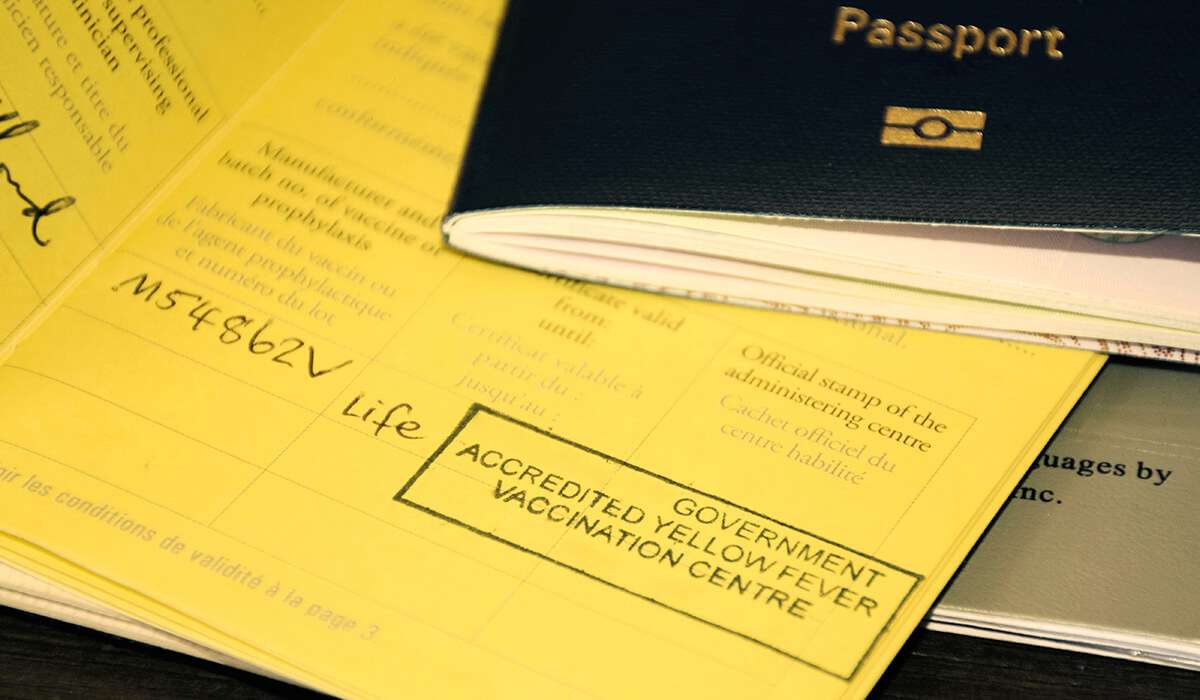
Yellow fever certificate

Required if you arrive from a yellow-fever-endemic country, and recommended advice varies by itinerary, so ask a travel clinic.

Driving license and International Driving Permit

Needed for self-drive and car rental. Bring your original license, and carry the IDP if your license is not in English or if the rental company requires it.

Credit or debit card in the driver’s name

Needed for car rental deposits

Cross-border documents

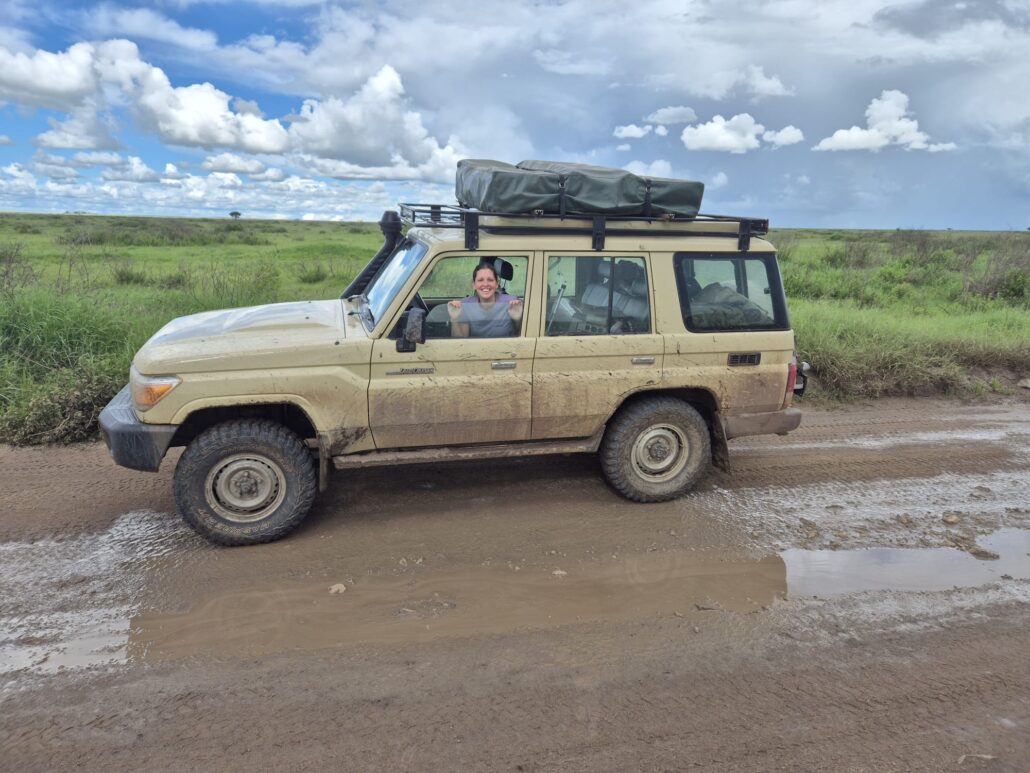
For crossing into Tanzania, Uganda, or Rwanda with a rental vehicle, you need written permission from the rental company, a copy of the vehicle logbook, and suitable cross-border insurance. We prepare these for you when you book cross-border hire.

Drone permits

Drones need a civil aviation license and park permission. KWS lists a drone charge for non-residents, so do not fly in parks without approval.

Mandatory inbound travel health insurance: the details

  • Start date: applies to travellers arriving in Kenya from 5 October 2026, regardless of when the ticket was bought.
  • Who it applies to: non-Kenyan nationals entering for a stay of less than 12 months, including children, with exemptions. Reported exemptions include Kenyan citizens, holders of Kenyan residence status, citizens of East African Community states, diplomatic and official passport holders, and asylum seekers and transit passengers who do not enter Kenya. Being exempt from the eTA does not automatically exempt you from the insurance, for example, for African travelers from outside the East African Community.
  • How to buy it: it is built into the eTA application on etakenya.go.ke, and it can also be bought separately through the Inbound Travel Health Insurance service on the eCitizen portal. An electronic policy document is issued after payment.
  • Cost: recent checks on the official platforms showed about US$48 in total for an adult (a US$44 premium plus fees) and about US$25 for a child. Prices can change.
  • Validity: 90 days, and one policy can be used for multiple entries within that period.
  • What it covers: up to US$50,000 in total benefits per traveler. Reported limits are US$20,000 for medical expenses, US$25,000 for emergency medical transport, US$300 for prescribed medicines, US$1,000 for mental health treatment, and US$5,000 for repatriation of remains.
  • Foreign policies: Kenyan aviation authority guidance issued on 9 October 2026 says the required cover must come from a Kenya-licensed insurer and that foreign travel insurance is not accepted for compliance, even though an earlier Ministry of Health statement in August had suggested compliant home-country cover could be uploaded. Follow the latest instruction on the official portal, and expect to buy the Kenyan policy.
  • Keep your own insurance too: the Kenyan policy is a basic health cover. A separate comprehensive travel policy with trip cancellation, baggage, higher medical limits, evacuation, and cover for activities such as hiking, diving, or rafting is still strongly recommended.
  • Buying on arrival: the regulations allow it at the border, but airlines are told to check before boarding, so buy it before you travel.
  • Assistance: the program administrator, Minet Kenya, runs a 24-hour assistance line for insured travelers, listed on your policy document.
Combining Kenya with Tanzania, Uganda, or Rwanda

  • Tanzania: introduced its own mandatory inbound travel insurance from 1 October 2026, reported at US$44 per traveler, so budget for both countries and do not assume one policy covers the other.
  • Uganda: has been reported to require an online health declaration before arrival, so check the current Ugandan requirements and any health advisories before a combined trip.
  • East Africa Tourist Visa: a joint visa covering Kenya, Uganda, and Rwanda has been offered for multi-country trips, so ask us or check the official portals if your route crosses these borders.
  • Cross-border car hire: needs advance permission and paperwork. See how we handle this under cross-border car rental below.

Health, Safety and Responsible Travel

  • Self Drive Car rental Samburu national ReserveMalaria: the coast, the lake regions, Tsavo, Samburu, and the Mara carry malaria risk, while the cool highlands (including Nairobi) are lower risk. Ask a travel clinic about prophylaxis and use repellent and nets.
    • Vaccinations: routine vaccines plus others your clinic recommends. A yellow fever certificate may be needed depending on where you arrive from.
    • Water and food: drink bottled or treated water and eat freshly cooked food.
    • Sun, heat, and altitude: the sun is strong everywhere, the coast is hot and humid, and the highlands (Nairobi, Laikipia, Aberdares, and Mount Kenya) are cool, with real altitude on Mount Kenya.
    • Road safety: drive on the left, avoid night driving outside towns, expect police checkpoints, and allow extra time because trucks and traffic slow journeys.
    • Personal safety: use normal big-city caution, keep valuables out of sight, use registered taxis or ride-hailing in cities, and avoid demonstrations.
    • Regional advisories: check current government travel advice for the far north, the Somali border counties (including parts of Lamu County), and some northern Rift Valley areas where livestock raiding and banditry have occurred.
    • Wildlife etiquette: stay in your vehicle in parks except at designated points, keep your distance, never feed animals, keep noise low, and follow ranger instructions.
    • Culture and photography: dress modestly in towns and religious places, ask before photographing people, and bargain politely at markets.
    • Plastics and waste: all KWS parks, reserves, and sanctuaries are single-use plastic-free, so bring a reusable bottle.
    • Tipping: appreciated for guides, drivers, and lodge staff. Ask Car Rental 4×4 for current guidance and carry small notes.

Best Time to Visit Kenya

Kenya can be visited all year, and the best time depends on what you want to do.

When

What it means

January to March

Hot and dry. Good wildlife viewing, clear skies, and beach weather on the coast. Calving season in the southern Serengeti ecosystem, and Amboseli is dusty but excellent.

April to May

Long rains. Lush scenery, fewer visitors and lower rates, but muddy roads, some lodge closures, and rougher seas at the coast

June to October

The main dry season and peak safari time. The Great Migration crosses the Mara River from roughly July to October, the coast is cooler and breezy, and hiking is at its best.

November to December

Short rains, green landscapes, and fewer crowds early on, then a busy festive season. Migratory birds arrive. Coastal diving and whale sharks are usually good from about October to March.

Mid-December to early January

Peak holiday demand and highest prices, so book very early.

For beaches and snorkeling, aim for October to March and the cooler, windier months of June to October for kite surfing. For hiking Mount Kenya, aim for January to March and June to October. For birdwatching, November to April brings migrants.

Best Places to Visit in Kenya

Here are the highlights, grouped by region. We have a dedicated guide for many of them, listed in the last column.

Place

Why go

Best for

Our guide

Nairobi

A national park beside the city, the Giraffe Centre, the elephant orphanage, the Karen Blixen Museum, food, and nightlife

First and last stops, short breaks

Nairobi travel guide

Maasai Mara National Reserve

The Great Migration, big cats, balloon safaris, and Maasai culture

Classic safari, honeymoons

Maasai Mara Travel Guide

Amboseli National Park

Big elephant herds under Mount Kilimanjaro

Photography, families

Amboseli Travel Guie

Tsavo East and Tsavo West

Red elephants, Lugard Falls, Mzima Springs, lava flows, and big landscapes

Self-drive safari, coast combinations

Tsavo East National Park travel guide

Samburu, Buffalo Springs, and Shaba

The northern Special Five, elephants, leopards, and Samburu culture

Repeat safari travelers

Samburu National Reserve travel guide

Laikipia, Ol Pejeta, and Lewa

Rhinos, wild dogs, walking, camel and horse safaris, star beds

Conservation, active safaris

Laikipia, Ol Pejeta, and Nanyuki guides

Aberdare National Park

Waterfalls, forest wildlife, and treetop lodges

Scenery, night viewing

Aberdare National Park travel guide

Mount Kenya

Africa’s second-highest peak, Sirimon and Chogoria routes, forest, and moorland

Hikers and climbers

Nanyuki travel guide

Lake Nakuru, Naivasha, Hell’s Gate, and Longonot

Rhinos, flamingos, hippos, cycling, gorges, and a crater hike

Short trips from Nairobi

Mount Longonot and Lake Elementaita guides

Lake Elementaita, Bogoria, and Baringo

Soda lakes, hot springs, flamingos, pelicans, and birding

Photographers, birders

Lake Elementaita, Bogoria, and Baringo guides

Kisumu and Lake Victoria

Hippo sunsets, fresh fish, Kakamega Forest, Rusinga, and Mfangano Islands

Culture, nature, and the Western loop

Kisumu travel guide

Mombasa and the south coast

Fort Jesus, Old Town, Diani Beach, Shimba Hills, and Kisite-Mpunguti Marine Park

Beach, history, water sports

Mombasa travel guide

Watamu, Malindi, and Gedi

Marine parks, turtles, Gedi Ruins, and Arabuko Sokoke Forest

Snorkelling, birding, quiet beaches

Mombasa travel guide

Lamu

A UNESCO-listed Swahili island town with dhows and car-free lanes

Culture, relaxation

Kenya safari routes

Meru, Chyulu Hills, and Taita Hills

Quieter parks, volcanic hills, and sanctuaries

Off-the-beaten-track

Kenya safari routes

Lake Turkana and the far north

The Jade Sea, Sibiloi, and Koobi Fora fossil sites, remote desert

Adventurers with a specialist operator

Ask us.

Park Entry Fees in Kenya: the KWS Schedule

Kenya Wildlife Service (KWS) publishes a conservation fee schedule that covers the national parks it manages. The figures below come from the KWS schedule published in October 2025, which is the current official tariff we could verify. Please read the notes underneath, because a court challenge and separate county tariffs affect what you may be charged.

Daily entry fees in KWS parks (per person per 24 hours)

Park or package

Non-resident adult (US)

Kenyan resident adult (KES)

East African adult citizen (KES)

African citizen adult (US$)

Amboseli and Lake Nakuru National Parks

90

45

2,025

1,500

50

Nairobi National Park

80

40

1,350

1,000

40

Nairobi Package (park, animal orphanage, and safari walk)

105

55

1,750

1,300

55

Tsavo East or Tsavo West National Park

80

40

1,350

1,000

40

Meru, Kora, and Aberdare National Parks

70

40

1,100

800

40

Mount Kenya National Park

70

35

1,100

800

30

Scenic parks: Hell’s Gate, Mount Longonot, Mount Elgon, Ol Donyo Sabuk, Lake Elementaita Sanctuary, Shimba Hills, and Kakamega

50

25

675

500

20

Special interest parks: Mwea, Ruma, Saiwa Swamp, Sibiloi, Central and South Islands, Ndere Island, Chyulu Hills, Marsabit, Tana River Primate, and others

40

20

675

500

20

Marine parks: Kisite Mpunguti, Watamu, Mombasa, Malindi, Kiunga, Diani Chale

25

15

675

500

15

Nairobi Animal Orphanage, Safari Walk, and Kisumu Impala Sanctuary (each stand-alone)

25

15

405

300

15

Tsavo West and Amboseli package

150

80

2,900

2,200

80

Tsavo East, Tsavo West, and Amboseli package

215

115

4,000

3,000

115

Other KWS charges that affect your budget

Charge

Amount

Vehicle entry (per day)

KES 600 for a vehicle with fewer than 6 seats, KES 1,500 for 6 to 12 seats, and KES 3,000 for 13 to 24 seats.

Public campsite (per person per night)

Non-resident US$20 in most parks and US$30 in Amboseli and Lake Nakuru

Special (private) campsite (per person per night)

Non-resident US$35 in most parks and US$50 in Amboseli and Lake Nakuru, plus a non-refundable weekly booking fee of KES 10,000

Walking safari (organized group, per person per day)

US$50 in Tsavo East, Tsavo West, Meru, and Kora, excluding park entry and security

Night game drive (per person per trip)

US$50 in selected parks, excluding entry

Balloon safari (per landing, per person)

Adults: US$80; children: US$40 in KWS parks, excluding the operator’s own charges.

Lake boating (per person per hour)

US$15

Dhow excursion in marine parks

US$10

Horse riding (private horses, per day)

US$15 at Hell’s Gate, Longonot, Chyulu, and Ol Donyo Sabuk

Cycling (per day)

US$10 at Hell’s Gate, Mount Longonot, Ol Donyo Sabuk, Sibiloi, Lake Elementeita, and Kakamega

Sport fishing (per line)

US$15

Animal tracking on prior arrangement (per person)

US$20, excluding park fee

Drone (per drone per day per park)

US$300 for non-residents, with a civil aviation license required

Annual passes

Adult KES 45,000, couple KES 80,000, family KES 130,000 (aimed at residents and frequent visitors)

Exemptions

Children aged 5 and under, Kenyan citizens aged 70 and over, people with disabilities, and registered tour drivers and guides

Fees outside the KWS system (reported rates, confirm before travel)

Area

Who manages it?

Non-resident adult entry

Maasai Mara National Reserve (Narok County side)

Narok County Government

US$100 per day from January to June 2026 and US$200 per day from July to December 2026, with children about US$50

Mara Triangle

Mara Conservancy

Similar seasonal structure, charged separately, with its own vehicle and camping fees

Samburu, Buffalo Springs, and Shaba

County and reserve authorities

Reported at about US$85 per adult per 24 hours

Ol Pejeta Conservancy

Ol Pejeta (private, not-for-profit)

Reported at about US$110 per adult for 2026

Lewa Wildlife Conservancy

Lewa (private)

Reported at about US$126 per adult for overnight guests and higher for day visitors

Other conservancies and community areas

Private and community managers

Vary widely, and often included in lodge rates

Important notes on park fees

  • Court challenge: the High Court paused enforcement of the October 2025 KWS tariff soon after it began, following a petition by the Kenya Tourism Federation. Confirm the rate with us that applies to your travel date on the KWS eCitizen portal before you book, and we will confirm it in your quote.
  • Management changes: the management of Amboseli has been reported as moving to Kajiado County, which could change how fees are collected.
  • Payment: KWS has been moving to cashless payment through the eCitizen platform and other electronic channels, so carry a card or mobile money and do not rely on paying cash at the gate.
  • Validity: a daily fee covers 24 hours from entry, so overnight stays inside a park are charged for each 24-hour period.
  • What is included in our quotes: we list park fees, vehicle fees, and camping fees as separate lines so you can see exactly what you are paying.

Things to Do in Kenya: Every Kind of Adventure

Kenya offers far more than game drives. Use these tables to match activities to places and seasons, then tell us what you want, and we will build it into a route and a vehicle plan. Fees for KWS activities are listed in the park fees section above, and operators outside the parks set their own prices.

Wildlife and safari experiences

Experience

Where

Best time

Notes

Game drives

Every park and conservancy

Dawn and late afternoon, all year

The core safari experience, in your own vehicle or with a driver-guide

The Great Migration

Maasai Mara

About July to October

River crossings are dramatic but unpredictable, so allow several days.

Big Five and rhino viewing

Maasai Mara, Lake Nakuru, Ol Pejeta, Lewa, Tsavo, Nairobi National Park

All year

Rhino tracking on foot is offered at some conservancies

Elephants under Kilimanjaro

Amboseli

June to October and January to March

Clear mornings give the best mountain views.

Red elephants and big skies

Tsavo East and Tsavo West

June to October

Excellent for self-drive safaris from the coast or Nairobi

Northern Special Five

Samburu, Buffalo Springs, Shaba

June to October and December to March

Grevy’s zebra, reticulated giraffe, Somali ostrich, Beisa oryx, and gerenuk

Wild dogs and rare species

Laikipia conservancies

Dry months

Specialist guidance is worth paying for.

Chimpanzee sanctuary

Sweetwaters at Ol Pejeta

All year

Guided visits, booking advised

Night drives

Private conservancies and some lodges

All year

Not allowed in most national parks, so confirm with your lodge.

Balloon safaris

Maasai Mara and some other areas

All year, best in dry months

Dawn flights followed by a bush breakfast

Birdwatching

Lake Baringo, Lake Naivasha, Kakamega Forest, Arabuko Sokoke, Samburu, Watamu

November to April for migrants

Kenya has more than 1,000 recorded bird species.

Photography safaris

Everywhere, especially Mara, Amboseli, and Samburu

Dry season light

A pop-up roof vehicle and a patient driver make all the difference.

Walking safaris and hikes

Experience

Where

Best time

Notes

Walking safaris

Laikipia conservancies, Tsavo East and West, Meru, Kora, and Mara conservancies

Dry months

KWS charges a per-person walking fee in Tsavo East, Tsavo West, Meru, and Kora, and an armed ranger is required.

Mount Kenya trek

Sirimon, Chogoria, and Naro Moru routes to Point Lenana

January to March and June to October

Three to five days, with a guide and porters, and altitude precautions

Mount Longonot crater hike

Near Naivasha

Dry months, early morning

A steep half-day hike with a rim loop

Hell’s Gate gorge walk

Hell’s Gate National Park

All year

Walk, cycle, or rock climb among zebras and giraffes.

Ngong Hills ridge walk

Near Nairobi

Dry months

Go with a guide and avoid isolated trails.

Aberdare waterfalls

Aberdare National Park

Dry months

Karuru and Gura fall with ranger escorts.

Rainforest walks

Kakamega Forest and Mount Elgon

Dry months

Primates, birds, and butterflies

Chyulu Hills walks

Chyulu Hills National Park

Dry months

Quiet volcanic landscapes with Kilimanjaro views

Shimba Hills and Sheldrick Falls

South Coast

Dry months

A short day walk with a ranger

Forest canopy walk

Ngare Ndare Forest, Laikipia

All year

A suspended walkway with waterfalls and pools

Water, boats, and rafting

Experience

Where

Best time

Notes

White-water rafting

Tana River near Sagana and other rivers

Depends on river levels, usually good after rains.

Half-day and full-day trips for beginners and experienced rafters, with licensed operators and safety kayakers

Boat rides

Lake Naivasha, Lake Baringo, Lake Victoria at Kisumu, and Rusinga

Morning and late afternoon

Hippos, birds, and fishing villages, with local boatmen and life jackets

Canoe and kayak outings

Lake Naivasha and the coast creeks

Calm mornings

Choose licensed operators.

Dhow cruises

Mombasa, Watamu, Malindi, Kisite-Mpunguti, and Lamu

Calm weather

Sunset sails and seafood lunches

Snorkelling and diving

Kisite-Mpunguti, Watamu, Malindi, Mombasa Marine and Diani

October to March is generally best.

Coral reefs, turtles, and dolphins

Whale sharks

South coast around Diani and Kisite

About October to March

Seasonal and not guaranteed

Kite surfing and windsurfing

Diani, Watamu, and Lamu

Windy months from about June to October and December to March

Lessons and equipment hire are available

Deep-sea fishing

Shimoni, Kilifi, Watamu, Malindi, and Lake Victoria

Season-dependent

Charter boats with licensed captains

Trout fishing

Mount Kenya and Aberdare streams

Dry months

Often arranged through lodges

Adventure and active experiences

Experience

Where

Notes

Zip lining

Forest zip-line parks on the escarpments near Nairobi, such as at Kereita Forest, and other adventure parks in the highlands

Choose operators with safety certification, and check age and weight limits, or let us help you book with the right ones

Cycling and mountain biking

Hell’s Gate, Karura Forest, Naivasha, Ol Donyo Sabuk

KWS lists a daily cycling fee in several parks.

Rock climbing

Hell’s Gate (Fischer’s Tower and other routes) and Mount Kenya for technical climbers

Our guides are certified a.

Horse riding

Laikipia conservancies, Hell’s Gate, Karen and Naivasha

Suitable for beginners to experienced riders, depending on the stable

Camel safaris

Laikipia and Samburu

Walk or ride with Samburu handlers, often with a fly camp.

Paragliding

Rift Valley escarpment areas such as the Kerio Valley

Seasonal and operator-based

Helicopter and scenic flights

Mara, Mount Kenya, Rift Valley lakes, and the coast

KWS lists helicopter and landing fees.

Golf

Nairobi (Muthaiga, Karen, Windsor), Nanyuki, and Naivasha

Several championship courses

Star beds and sleep-outs

Laikipia conservancies

Raised beds under the Milky Way

Camping safaris

Most parks, with public and special campsites

Ask about camping gear and rooftop tent rental.

Beaches, islands, and the coast

  • Diani and the South Coast: white sand and calm water for swimming, kite surfing, diving, and long beach days, with easy access to Shimba Hills and Kisite-Mpunguti.
  • Nyali, Bamburi, and Shanzu: family resorts, water parks, and beach restaurants on the north side of Mombasa.
  • Watamu and Malindi: marine parks, turtle conservation, Gedi Ruins, and Arabuko Sokoke Forest.
  • Kilifi, Funzi, and quieter beaches: creeks, small lodges, and a slower pace.
  • Lamu and Shela: a UNESCO-listed island with dhows, donkeys, no cars, and a beautiful beach.
  • Mombasa Old Town and Fort Jesus: the best place for Swahili, Arab, and Portuguese history.

Culture, history, and special interests

  • Maasai and Samburu communities: choose community-run visits where the income stays local.
  • Swahili heritage: Mombasa Old Town, Lamu, Gedi Ruins, and Jumba la Mtwana.
  • Human origins and ancient sites: Koobi Fora and Sibiloi at Lake Turkana, Kariandusi near Gilgil, Thimlich Ohinga stone settlement, and Mfangano rock art.
  • Farms and food: Kericho tea estates, coffee farms near Thika and Nyeri, flower farms at Naivasha, and Swahili cooking on the coast.
  • Nairobi city experiences: the Giraffe Centre, the Sheldrick elephant orphanage visit, the National Museum, Karura Forest, markets, and nightlife.
  • Festivals and events: the Mombasa Carnival, Lamu Cultural Festival, Lake Turkana Festival, and the Lewa Safari Marathon, with dates that change each year.

Getting to Kenya and Getting Around

  • By air: Jomo Kenyatta International Airport in Nairobi is the main hub, with many international airlines. Moi International Airport in Mombasa and smaller airports at Kisumu, Eldoret, Malindi, and Lamu add choices. Wilson Airport in Nairobi is the base for scheduled and charter flights to the parks.
  • By train: the Madaraka Express, a standard-gauge railway link between Nairobi and Mombasa in about five hours, with a stop at Voi for Tsavo.
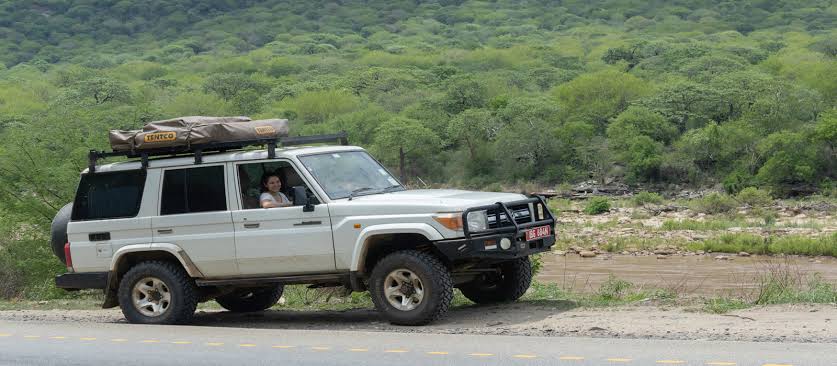
  • Car Rental aberdare National ParkBy road: main highways link Nairobi with Mombasa, Nakuru, Kisumu, Nanyuki, and Namanga for Tanzania and Busia for Uganda. Allow extra time for trucks, roadworks, and towns.
  • By bus and matatu: inexpensive and frequent between towns, but they do not reach most parks and are not ideal for luggage.
  • Ride-hailing, taxis, and boda-bodas: useful in cities, and ride-hailing is the easiest option in Nairobi.
  • Domestic flights: save long drives, for example, to the Mara, Samburu, or Lamu, with strict baggage limits on small planes.
  • Car hire: the best way to combine parks, lakes, mountains, and the coast at your own pace, with or without a driver.

From Nairobi to

Approx. distance and driving time

Nairobi National Park

10 to 20 km, 30 to 60 minutes

Lake Naivasha and Hell’s Gate

90 to 100 km, 1.5 to 2.5 hours

Lake Nakuru

160 km, about 3 hours

Nanyuki and Ol Pejeta

200 km, 3.5 to 4.5 hours

Aberdare (Nyeri)

150 km, 3 to 4 hours

Amboseli

240 km, 4 to 5 hours

Maasai Mara

270 km, 5 to 6 hours, or a short flight

Tsavo East (Voi)

330 km, 5 to 6 hours

Samburu

350 km, 6 to 7 hours

Kisumu

350 km, 6 to 7 hours

Mombasa

480 km, 6 to 9 hours, 5 hours by train, 1 hour by air

Lake Bogoria and Baringo

250 to 270 km, 4 to 6 hours

How to Book with Car Rental 4x4: Pick What Fits Your Trip

Tell us what you want to do, and we will turn it into a route, a vehicle, and a transparent quote. You can book any of the options below on their own or combine them.

Option

What you get

Best for

Full customized safari package

A route designed around your interests, with vehicle and driver-guide, accommodation, park fees, meals, and activities arranged, and a single itemised price

First-timers, honeymooners, families, and groups who want everything arranged

Self-drive car rental

A saloon, SUV, or 4×4 with insurance options, airport pick-up and drop-off, and a briefing on routes and park rules

Confident drivers who want freedom and value

Car with driver in Kenya

A vehicle with an experienced local driver-guide who handles roads, traffic, park rules, wildlife spotting, and local knowledge

Travellers who want to relax, families, business visitors, and first-time safari goers

Car with camping gear

A 4×4 with rooftop tents or ground tents, sleeping bags, a stove, a cooking kit, a fridge, and chairs, where available

Adventurous travellers, overlanders, and budget safaris

Long-term car rental

Monthly or multi-month hire with a longer-term rate, regular servicing arrangements, and flexible terms

Expats, researchers, volunteers, business travelers, and extended road trips

One-way car rental

Collect in one city and drop in another, for example, Nairobi to Mombasa, Nairobi to Kisumu, or Nairobi to Nanyuki, Nairobi to Arusha, Nairobi to Maasai Mara, Nairobi to Kampala, Nairobi to Kigali, Nairobi to Dar es Salaam, Nairobi to Watamu, Nairobi to Voi, Nairobi to Malindi, and Nairobi to Emali, with a one-way fee quoted upfront.

Linear routes and flights into one city and out of another

Cross-border car rental

A suitable vehicle with permission and paperwork for Tanzania, Uganda, or Rwanda, subject to approval

Combined East Africa trips by road

Combined East Africa safaris

Kenya plus Tanzania (Serengeti, Ngorongoro, Kilimanjaro, and Zanzibar) and Uganda or Rwanda (gorillas, Bwindi, and Queen Elizabeth), with vehicles and guides arranged

Travellers who want more than one country in a single trip

Planning Your Budget

Cost item

What to know

eTA

US$30 per person for standard processing

Mandatory health insurance

About US$48 per adult and US$25 per child at current prices

Your own travel insurance

Recommended for trip cancellation, baggage, and higher medical and evacuation cover

Park and conservancy fees

See the tables above, charged per person per 24 hours, plus vehicle and camping fees.

Vehicle

Daily rate for self-drive, or car with driver, plus fuel, insurance, and any one-way or cross-border fee

Accommodation

Campsites, budget camps, mid-range lodges, and luxury camps, with large differences between regions and seasons

Meals and drinks

Included in many lodge packages and inexpensive in towns

Activities

Balloon flights, rafting, zip lining, boat trips, diving, and cultural visits are usually separate

Tips

Budget for drivers, guides, and lodge staff

Illustrative park-fee examples (non-resident adults, using the tariffs above)

  • Tsavo East, two adults, two park days: 2 x US$80 x 2 = US$320, plus vehicle fees of KES 600 a day.
  • Amboseli, two adults, two park days: 2 x US$90 x 2 = US$360, plus vehicle fees.
  • Maasai Mara (Narok County side), two adults, three park days from July to December: 2 x US$200 x 3 = US$1,200, plus vehicle fees set by the reserve.
  • Public campsite in Tsavo, two adults, two nights: about US$80 in camping fees on top of entry.

Sample Kenya Itineraries

3 days: Nairobi and the Rift Valley

  • Day 1: Nairobi National Park, the Giraffe Centre and the elephant orphanage.
  • Day 2: Lake Naivasha boat ride and Hell’s Gate cycling.
  • Day 3: Mount Longonot hike or Lake Elementaita, then return to Nairobi.

Land cruiser Extended with Pop Up roof Uganda, Kenya, Tanzania, Tanzania, East Africa5 to 6 days: Maasai Mara safari

  • Day 1: drive or fly to the Mara and take an afternoon game drive.
  • Days 2 to 4: full-day game drives, a balloon safari, a Maasai cultural visit, and a river crossing watch in season.
  • Day 5: morning game drive, then return to Nairobi.

7 days: Amboseli, Tsavo, and the coast

  • Days 1 to 2: Amboseli for elephants and Kilimanjaro.
  • Days 3 to 4: Tsavo West and Tsavo East.
  • Days 5 to 7: Diani or Watamu for beach time, with an optional Kisite-Mpunguti dolphin trip.

10 days: Classic Kenya

  • Days 1 to 4: Maasai Mara.
  • Day 5: Lake Naivasha and Hell’s Gate.
  • Day 6: Lake Nakuru National Park.
  • Days 7 to 9: Laikipia and Ol Pejeta for rhinos, walking and chimpanzees.
  • Day 10: return to Nairobi.

14 days: Kenya in depth

  • Days 1 to 2:
  • Days 3 to 5: Maasai Mara.
  • Days 6 to 7: Rift Valley lakes (Naivasha, Nakuru, Elementaita).
  • Days 8 to 10: Laikipia, Ol Pejeta, and Samburu.
  • Day 11: Mount Kenya foothills or a day hike on the Sirimon route.
  • Days 12 to 14: Fly or drive to the coast for Diani, Watamu, or Lamu.

10 to 14 days: Combined East Africa (by road with cross-border hire or by air)

  • Kenya and Tanzania: Maasai Mara, crossing to the Serengeti and Ngorongoro, or Amboseli to Arusha and Kilimanjaro, finishing in Zanzibar.
  • Kenya and Uganda: Kenya highlights, then crosses via Busia towards Kampala, with Murchison Falls, Queen Elizabeth, or Bwindi gorilla trekking.
  • Kenya, Uganda, and Rwanda: add Kigali and Volcanoes National Park for gorillas.
Kenya Travel Guide Frequently Asked Questions

Do I need a visa to visit Kenya in 2026?

Most visitors do not need a traditional visa but do need an approved eTA, applied for online at etakenya.go.ke, before they travel. Citizens of East African Community countries are exempt, and some other nationalities have separate rules.

How much is the Kenya eTA?

The standard single-entry eTA costs US$30 and takes up to three business days to process.

Is travel health insurance mandatory for Kenya?

Yes. Since 5 October 2026, most non-Kenyan visitors staying under 12 months must hold the mandatory inbound travel health insurance, available through the eTA portal or the eCitizen platform.

How much is the mandatory insurance?

About US$48 in total for an adult and about US$25 for a child at the prices recently observed on the official platforms. It is valid for 90 days.

Can I use my own travel insurance instead?

Current Kenyan aviation guidance says foreign policies do not satisfy the requirement, so you should expect to buy the Kenyan policy and also keep your own comprehensive travel insurance.

What documents do I need to enter Kenya?

A passport valid for six months with a blank page, an approved eTA, proof of the mandatory insurance, return or onward travel and accommodation details, and a yellow fever certificate if you arrive from an endemic country.

How much are Kenya national park fees?

Under the KWS schedule, non-resident adults pay US$90 at Amboseli and Lake Nakuru, US$80 at Nairobi National Park and Tsavo East and West, US$70 at Meru, Aberdare and Mount Kenya, US$50 at scenic parks such as Hell’s Gate and Longonot, and US$25 at marine parks. The Maasai Mara is charged separately by Narok County at US$100 or US$200 per adult per day depending on the season.

Have park fees changed recently?

Yes. KWS published a new tariff in October 2025, a court challenge paused its enforcement, and some 2026 sources list the new figures as current. We confirm the fee that applies on your dates in every quote.

When is the best time to visit Kenya?

June to October and January to March are the main dry seasons. The Great Migration is in the Mara from roughly July to October, and the coast is best from October to March.

Where can I go white-water rafting in Kenya?

The Tana River near Sagana is the best-known area, with half-day and full-day trips, and other rivers offer seasonal options. Use licensed operators with safety kayakers.

Where can I go zip lining in Kenya?

There are zip-line and adventure parks on the escarpment near Nairobi, such as in Kereita Forest, and in other highland areas. Confirm the Us, safety standards and age limits.

Can I do a walking safari in Kenya?

Yes. Walking safaris are offered in Laikipia conservancies, Mara conservancies, and KWS parks, including Tsavo East, Tsavo West, Meru, and Kora, always with armed rangers.

Is Kenya safe for tourists?

Most visits are trouble-free with normal precautions. Check current government advice for the far north and Somali border counties, avoid night driving, and use reputable operators.

Can I self-drive in Kenya?

Yes. Drive on the left with a valid license and preferably an International Driving Permit. A high-clearance 4×4 is best for parks, and many travelers prefer a driver guide in cities.

Can I rent a car in Nairobi and drop it in Mombasa?

Yes, one-way car rental is available between major towns, with the one-way fee quoted upfront.

Can I take a rental car to Tanzania or Uganda?

Cross-border hire is possible with prior permission, paperwork, and suitable insurance. Tell us your route when you request a quote.

Can I camp in Kenya?

Yes. KWS parks have public and special campsites, and we can supply a 4×4 with rooftop tents and camping gear.

Can I book a combined East Africa safari from Kenya?

Yes. We arrange Kenya with Tanzania, Uganda, or Rwanda by road or air, with vehicles, guides, and accommodation planned together.

How do I book with Car Rental 4×4?

Send us your dates, group size, route ideas, and budget through the quote form, WhatsApp, or email via rent@carrental4x4.com, and we will reply with an itemized quote.

What we need from you to quote

  • Car Rental Kenya with Pop Up roof, driver, Extended Safari Land cruiserYour travel dates and flexibility.
  • Number of adults and children, and their ages.
  • Pick-up and drop-off points, and whether the trip is one-way.
  • The places and activities you want, such as the Mara, Amboseli, beaches, rafting, walking safaris, or hiking.
  • Your budget range and accommodation style: camping, budget, mid-range, or luxury.
  • Whether you want self-drive, a driver guide, or a full package.
  • Any cross-border plans and the nationality of each traveler for visa and eTA guidance.

How booking works

  1. Send us your plan using the quote form, WhatsApp, or email.
  2. We reply with suggested routes and an itemized quote that lists vehicle, driver, accommodation, park fees, insurance, and extras separately.
  3. We adjust the plan until it fits your dates and budget.
  4. You confirm and pay the deposit, and we send a booking confirmation.
  5. Before you travel, we help you with your eTA and insurance checklist, cross-border paperwork where relevant, driving license requirements, and a route briefing.
  6. We meet you at the airport or your hotel, hand over the vehicle, introduce your driver, and wish you a safe journey.

Request a quote from Car Rental 4×4:

Ready to Plan Your Kenya Trip?

Whether you want a fully customized safari, a self-drive 4×4, a car with a driver, a vehicle with camping gear, a long-term rental, a one-way journey, a cross-border road trip, or a combined East Africa safari, tell us what you have in mind and we will do the rest. We will confirm your entry documents, park fees, and route and send an itemized quote before you commit.

Request a quote from Car Rental 4×4:

Scroll to Top