Self Drive Dar es Salaam | Tanzania Rules & 4x4 Hire

“How to drive yourself from Tanzania’s main gateway: the mandatory travel insurance, visa and yellow fever rules, the ban on Kenya-registered vehicles in Tanzanian parks, foreign vehicle fees, other strict Tanzanian laws, and 4×4 hire with Car Rental 4×4“
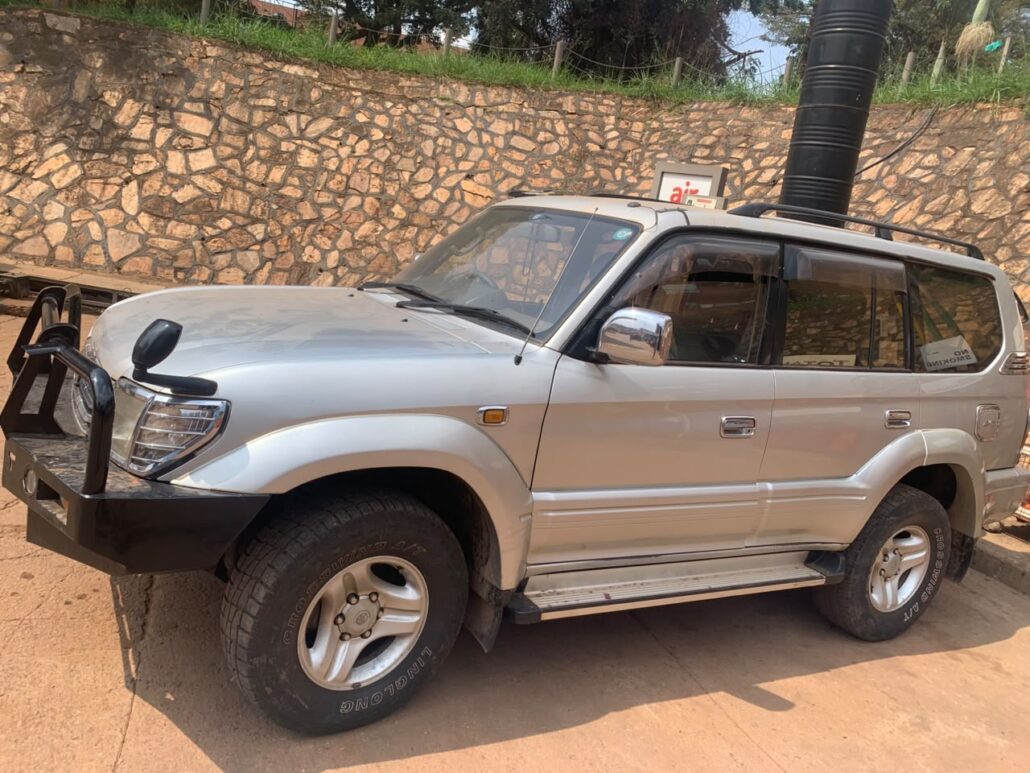
self-drive TanzaniaCar Rental 4×4 offers you a particular pleasure in driving yourself into Tanzania’s wild place. You choose the road, you choose the gate, and you choose how long to sit with the engine off while a herd of elephants crosses in front of you. Dar es Salaam puts that pleasure within a day’s drive: Bagamoyo and Saadani on the coast, Mikumi five hours inland, Nyerere to the southwest, and the Udzungwa Mountains beyond. It also asks you to be properly prepared, because Tanzania’s rules are strict, they are enforced, and several of them are new.

This page explains how self-drive works from Dar es Salaam and sets out the mandatory rules that matter most before you book: Tanzania’s mandatory travel insurance, visas, yellow fever, the rules for foreign and Kenya-registered vehicles in Tanzanian national parks, the foreign vehicle fees, and other strict Tanzanian laws. It also covers one-way rental in Tanzania, long-term rental in Tanzania, rooftop tents rental in Tanzania, and camping gear rental in Tanzania. Please read it before you travel.

Self-Drive Dar es Salaam at a Glance

Mandatory travel insurance (new from 1 October 2026): most foreign visitors entering mainland Tanzania must hold the government’s inbound travel insurance, about USD 44 per adult, bought from the National Insurance Corporation (NIC). Arriving without it may mean being refused entry.

Visa: most nationalities need a tourist visa or e-visa (typically about USD 50 for a single entry). Apply online before you travel. Volunteer work is not allowed on a tourist visa.

Yellow fever: a valid certificate is required if you arrive from or via a yellow fever risk country, including Kenya.

Kenya-registered vehicles are not allowed into Tanzanian national parks. Tanzania’s Tourism Act 2008 bars foreign-registered tourist vehicles from tourist sites, and Kenya-registered tourism vehicles are refused at park gates. For the parks you need a Tanzanian-registered vehicle, such as the ones we hire from Dar es Salaam. See the section below.

Foreign vehicle fees: privately owned foreign-registered vehicles that are allowed into the parks pay a much higher vehicle fee, reported at about USD 177 per day, against roughly USD ($20-$30) for Tanzanian-registered vehicles.

Driving: Tanzania drives on the left. Carry your home license and an International Driving Permit. In Dar es Salaam, traffic is heavy, and speed limits are strictly enforced.

Best vehicle: a 4×4 with high clearance, such as a Land Cruiser or Hilux. A RAV4 manages the city and paved highways.

Park fees: cashless. Adults pay about USD 35.40 at Mikumi, Udzungwa, and Saadani, and USD 50 to 82.60 at Nyerere, per 24 hours, plus a vehicle fee.

Driver-guide: optional, from $40 per day.

Also from Dar es Salaam: rooftop tent hire, full camping gear, one-way Tanzania rental (fee from $50 up to $600), and long-term rental.

Daylight only: our vehicles are on the road between 6:00 am and 7:00 pm.

Deposit and excess: $500 security deposit where requested; excess $500 (RAV4), $1,500 (Prado TX/TZ), and $2,000 (LX, V8, GX).

Mileage and support: unlimited mileage and 24/7 roadside assistance. Request a quote or write to rent@carrental4x4.com.

Tanzania Pre-Travel Checklist: What You Must Have Before You Fly

Item

Requirement

Notes

Mandatory travel insurance

NIC inbound travel insurance (about USD 44 for adults, USD 22 for children 3 to 17, and infants free), valid up to 92 days

Buy online before travel; keep the certificate on your phone and in print. Separate from your own insurance

Passport

Valid for at least six months from arrival, with a blank page

Check the date before you book.

Visa or e-visa

Required for most nationalities; apply through Tanzania Immigration.

Fees are typically about USD 50 for a single entry. Multiple-entry visas are not available on arrival.

Yellow fever certificate

Required if you arrive from or via a risk country, including Kenya

Carry the original yellow card; vaccinate at least 10 days before

Driving license and permit

Home license plus International Driving Permit

Commonly accepted for up to 90 days; longer stays may need a Tanzanian license.

Your own travel insurance

Medical and evacuation cover

Our vehicle insurance does not cover people.

Park payments

Cashless, by card, smart card, or the official portal

Keep proof of payment on your phone and in print.

Vehicle registration

A Tanzanian-registered rental for the parks

Kenya-registered tourism vehicles are not allowed in the parks

Tanzania Mandatory Travel Rules: Entry, Health, and Insurance

Entry rules change often, and the insurance rule is new. This section sets out the main requirements for visitors entering mainland Tanzania. Check the official Tanzania Immigration, National Insurance Corporation, and Ministry of Health sources, and your own government’s travel advice, before you travel.

Mandatory Inbound Travel Insurance (From 1 October 2026)

Question

Answer (as of 21 October 2026)

What is it?

Mandatory inbound travel insurance for foreign visitors entering mainland Tanzania by air, sea, or land, under the Insurance (Inbound Travel Insurance) Regulations, 2026 (Government Notice No. 256 of 2026)

When did it start?

1 October 2026. Zanzibar has had its own scheme since 1 October 2024.

Who must buy the mandatory inbound travel insurance?

Eligible foreign visitors. Citizens and residents of East African Community (EAC) and Southern African Development Community (SADC) countries are reported as exempt. Check your own status.

What does the mandatory inbound travel insurance cost?

Adults 18 and over: USD 44. Children 3 to 17: USD 22. Infants 0 to 2: free. Groups of 10 or more adults: 10% discount on the adult premium

How long is the mandatory inbound travel insurance valid?

Up to 92 days, including multiple entries. Longer stays need a new policy.

What does it cover?

Emergency medical treatment, emergency medical evacuation, emergency repatriation, and loss of luggage

Where do I buy it?

From the state-owned National Insurance Corporation (NIC), if your first point of entry is mainland Tanzania, through its official portal. If your first point of entry is Zanzibar, buy from the Zanzibar Insurance Corporation (ZIC). Buy only from official sites.

Buy before or at the border?

Online before you travel is strongly recommended. The certificate is issued within minutes of payment. Some reports say it can also be bought at the point of entry.

Mainland and Zanzibar together?

Only one policy is needed, based on your first point of entry.

Is my own travel insurance enough?

No. The policy is a separate government entry requirement and is not replaced by private travel or medical insurance. Keep your own cover as well.

What if I arrive from Kenya by road?

Your first point of entry into Tanzania is the land border, for example, Horohoro (Lunga Lunga) or Namanga, so you need the NIC policy before you cross.

What if I do not have the mandatory inbound travel insurance?

Visitors subject to the rule who arrive without valid insurance may be denied entry.

Earlier Zanzibar policies

A ZIC policy bought and fully paid before 1 October 2026 remains valid, even if your trip begins on the mainland.

Other Entry Requirements

Requirement

What applies

Passport

Valid for at least six months from your date of arrival, with at least one blank page. Emergency travel documents may be accepted with six months’ validity.

Visa

Most nationalities need a tourist visa. Apply for an e-visa through the official Tanzania Immigration portal before you travel, or get a single-entry visa on arrival at major entry points. Fees are typically USD 50 for a single-entry tourist visa and USD 100 for multiple entries for some nationalities. Multiple-entry visas are not available on arrival. EAC citizens are exempt.

Yellow fever

A valid International Certificate of Vaccination (the yellow card) is required if you arrive from, or transit through, a yellow fever risk country. Kenya is a risk country, so visitors arriving from Kenya are usually asked for it. Some sources report stricter checks for all arrivals. Vaccinate at least 10 days before travel and carry the original certificate.

Onward ticket and funds

Be ready to show a return or onward ticket, proof of accommodation, and sufficient funds.

Arrival card

The online arrival card is reported as no longer mandatory; check before you travel.

Malaria

Not an entry rule, but malaria is present in northern Tanzania. Take medical advice about prophylaxis, and bring repellent.

Customs and plastic

Tanzania restricts single-use plastic carrier bags; do not bring them in. Drones need prior authorization and are not allowed in the parks.

Photography and conduct

Do not photograph airports, government buildings, military sites, or police. Dress modestly in towns and carry your passport or a certified copy.

Money

Tanzanian shillings are used locally; US dollars are widely accepted. Bring US dollar notes that are recent (from 2009) and undamaged. Cash is not accepted at park gates

Rules differ by nationality, and the insurance rule has only just begun. Check the official Tanzania Immigration and NIC portals, and your own government’s travel advice, before you travel. We cannot buy the policy or the visa on your behalf.

Can You Self-Drive From Dar es Salaam?

Yes. Visitors can self-drive in Tanzania with a valid licence and the right paperwork, and the southern parks are open to private vehicles on payment of the park and vehicle fees. Mikumi National Park is the easiest to drive first: the main highway crosses it, and the park is a straightforward five hours from the city. Nyerere National Park is best with a 4×4, and for most visitors, with a driver-guide or the guided boat and walking safaris arranged by a lodge.

Three points set Tanzania apart.

  • First, the rules on vehicles are strict: only Tanzanian-registered tourist vehicles are welcome in the parks.
  • Second, entry rules are strict and recently changed: the new mandatory travel insurance, the visa, and the yellow fever certificate.
  • Third, enforcement is real: the traffic police, park rangers, and immigration officers apply the rules, and the hirer pays every fine.

Who Can Rent a Car and Drive in Tanzania?

Toyota Land Cruiser Double cab with rooftop tentAny hirer who holds a valid driving license, presents a passport, signs the rental agreement in person, and is named as a driver. Only named drivers may drive, and the vehicle may not be sublet. Minimum age and license-tenure requirements are stated in your written quotation.

What Documents Do You Need?

  • Passport valid for at least six months, with a visa or e-visa unless you are exempt.
  • Proof of Tanzania’s mandatory inbound travel insurance (the NIC certificate, or ZIC if you entered through Zanzibar).
  • Yellow fever certificate if you arrive from or via a risk country.
  • A valid driving license from your home country and an International Driving Permit.
  • Booking confirmation and the signed rental agreement.
  • Vehicle registration and insurance papers, which we supply with the vehicle.
  • Security deposit, where requested.
  • Proof of payment for your park tickets.
  • Your own travel, medical, and life insurance. Our vehicle insurance does not cover personal injury.

Do You Need an International Driving Permit?

A valid license from your country of origin works best, and an International Driving Permit is strongly recommended and often requested by rental companies. It is required if your license is not in English or the Latin alphabet. Carry it alongside your license, never instead of it. Visitors commonly drive on a home licence and permit for up to 90 days, while some official advice requires a Tanzanian licence for stays over six months, so check the current rule for your stay.

Foreign and Kenya-Registered Vehicles in Tanzanian National Parks

This is one of the most important rules for self-drivers who plan to combine Kenya and Tanzania, and it is routinely misunderstood.

Topic

What applies

The law

Tanzania’s Tourism Act 2008 stipulates that foreign-registered tour vehicles are not allowed entry into tourist sites. Vehicles registered in other East African Community countries, including Kenya, are treated as foreign.

Kenya-registered tourism vehicles

Prohibited in Tanzanian national parks. Under a 1985 bilateral tourism agreement between Kenya and Tanzania, tour operators’ vehicles and tourist hire vehicles must stay in their own country’s parks. Kenya-registered tourism vehicles are refused at the gates.

Rental cars

A hired tourist vehicle counts as part of the tourism trade. A Kenya-registered rental vehicle must not be taken into Tanzanian national parks, including Mikumi, Nyerere, Tarangire, Lake Manyara, the Serengeti, and the Ngorongoro Conservation Area.

What a Kenya-registered vehicle can do

Cross at an approved border post, with our written approval and COMESA cover, and use public roads. At the park gates, you must switch to a Tanzanian-registered vehicle

Vehicle swap

Car Rental 4×4 offers a vehicle swap at the border, for example, at Namanga or Oloitokitok. We can arrange a Tanzanian-registered vehicle for your park days.

Reverse rule

Tanzanian-registered tour vehicles are in turn not allowed into Kenyan parks, reserves, and conservancies. Do not take your Tanzanian rental into Kenya’s parks.

Our Dar es Salaam vehicles

Registered in Tanzania, so they can enter Tanzanian national parks on payment of the normal vehicle fee.

Privately owned foreign cars

A privately owned foreign-registered vehicle, not used commercially, may be allowed into the parks on payment of a much higher foreign vehicle fee (see below). This does not apply to rental vehicles.

Penalties

Entering with a prohibited vehicle can mean refusal at the gate, fines, vehicle impounding, and loss of insurance cover. The hirer is responsible.

Foreign Vehicle Fees in Tanzanian National Parks

Vehicle

Park vehicle fee

Tanzanian-registered vehicle

A modest daily fee, varying by park and vehicle size, is roughly USD $20 – $30 depending on the National Park.

Foreign-registered private vehicle (where allowed)

Reported at about USD 177 per day

Kenya-registered rental or tour vehicle

Not allowed

Tanzanian-registered rental from Dar es Salaam

Pays the Tanzanian vehicle fee, which is the practical way to self-drive the parks

Park vehicle fees change by park and by year. Always confirm with TANAPA, and keep the receipt

Tanzania Mandatory Driving and Car Rental Rules

If you rent a car in Dar es Salaam, these rules apply to you from the moment you leave the yard. The traffic police are visible and strict, especially in Dar es Salaam and on the highways out of the city.

Topic

What applies

Side of the road

Traffic drives on the left.

License

Carry your valid home license and an International Driving Permit (strongly recommended). Visitors may commonly drive on these for up to 90 days; some official advice requires a Tanzanian license for stays over six months. Check the current rule for your stay.

Hirer

Hirers must be named on the rental agreement, present a passport and license, and sign in person. Only named drivers may drive. Minimum age and license tenure are in your quotation.

Documents to carry

Passport (or a certified copy), driving license and permit, rental agreement, vehicle registration and insurance papers, and your park receipts. Police checkpoints are common.

Speed limits

Typically 50 km/h in built-up areas (many rental firms advise 40 km/h in towns and villages) and 80 km/h on open roads. There are no motorways. Safari vehicles are often treated like trucks. Follow every posted sign and watch for unmarked speed bumps at town entrances.

Enforcement

Speed checks and roadblocks are frequent, and on-the-spot fines are common. The hirer pays all fines and tickets.

Seat belts

Compulsory for front-seat occupants, and we require them for everyone.

Phones

Do not use a hand-held phone while driving.

Alcohol and drugs

Drunk driving is strictly enforced (a blood alcohol limit of 0.08 g/dL or lower). Our contract prohibits any driving under the influence.

Safety equipment

Carry reflective triangles and a high-visibility vest. We supply them.

Night driving

Prohibited under our contract. Our vehicles are on the road between 6:00 am and 7:00 pm. Roads are poorly lit, and hazards are hard to see.

Accidents

Stop, call us immediately, take photographs, and obtain a police report. Do not leave the scene or arrange repairs yourself. The report is needed for any insurance claim.

Third-party insurance

All vehicles must carry valid third-party liability insurance. Ours is supplied with the vehicle. See the insurance section.

Vehicle limits

Do not sublet the vehicle, drive in restricted areas, or drive off-track in parks.

Driving in Dar es Salaam: What to Expect

Dar es Salaam is a large, busy city, and driving in it is a different skill from driving on the highway. A calm plan makes your first day easier.

Topic

What to know

Traffic

Congestion is heavy, especially on the roads between the airport, the city center, Kigamboni, and the highways out of town. Rush hours are roughly 6:00 to 9:00 am and 4:00 to 8:00 pm.

Airport to city

About 12 km, but 30 to 90 minutes depending on traffic. Allow extra time, and avoid your first drive at rush hour.

Bus lanes

Dar es Salaam has dedicated bus-rapid-transit lanes. Private vehicles may not use them, and fines apply. Watch for markings.

Motorbikes and three-wheelers

Boda-bodas and bajajs weave through traffic and stop without warning. Leave space and check mirrors.

Pedestrians and vendors

Crossings are informal. Expect people at junctions and on the road edge.

Police

Traffic police and speed cameras are common. Carry your documents and keep to the limits; the hirer pays any fine.

Parking

Use hotel or paid parking; lock the vehicle and keep valuables out of sight.

Rain and flooding

Heavy rain can flood roads quickly, especially from March to May. Do not drive into standing water; deep-water damage is excluded from our insurance

Ferries and bridges

Kigamboni can be reached by bridge or ferry; Zanzibar ferries do not carry our vehicles.

Navigation

Download offline maps and set your route before you leave.

Night driving

Prohibited under our contract. Roads are poorly lit.

If you would rather not drive in the city, a driver-guide can take you out of Dar es Salaam on the first day, and you can then take over on the highway.

Other Strict Tanzanian Laws Every Visitor and Driver Should Know

Tanzanian law applies to every visitor, and breaking it, even unknowingly, can lead to fines, arrest, deportation, or loss of your insurance. These are the rules most often overlooked.

Topic

What applies

Photography

Photographing military installations, police and military personnel, government buildings, airports, bridges, and other infrastructure is prohibited and can lead to camera confiscation and arrest. Sites are not always marked, so ask first.

Plastic bags

Single-use plastic carrier bags are banned, including importing them. Only small, clear, reusable zip-lock bags for toiletries are allowed.

Drones

Drones need prior authorization and are not allowed in the national parks.

Wildlife products and trophies

Importing or exporting animal products and trophies without papers is a serious offense.

Drugs

Penalties are severe, including for cannabis, whatever the law at home.

Alcohol and driving

Drunk-driving is prohibited and strictly enforced.

Smoking

Not allowed in public places, markets, and public transport, or on game drives

Volunteer work

Not allowed on a tourist visa. Volunteers and long-stay visitors need the right visa or permit

Same-sex relationships

Same-sex sexual activity is illegal in Tanzania, including Zanzibar, and public displays of affection are best avoided. Check your own government’s advice.

Dress and conduct

Dress modestly in towns and villages, and cover up outside beach resorts. Zanzibar can issue fines for inappropriate clothing. Ask before photographing people.

Documents

Carry your passport or a certified copy; police checkpoints are common.

Protests and gatherings

Avoid demonstrations and large gatherings, which are limited or not authorized. Follow your government’s travel advice.

Government travel advice

Several governments currently advise caution or reconsider travel to parts of Tanzania. Check your own advice before you book.

We cannot give legal advice. These summaries come from published government travel advisories and local guides, and they change.

Self-Drive Readiness Check: Are You Ready?

Ten honest questions. Answer yes to most of them, and a self-drive from Dar es Salaam will suit you.

Question

If the answer is no…

Have you bought Tanzania’s mandatory travel insurance and arranged your visa and your yellow fever certificate if needed?

Do these before you fly; you may be refused entry without them.

Is your rental vehicle Tanzanian-registered, and do you understand that Kenya-registered vehicles cannot enter the parks?

Ask us to confirm the registration, and arrange a swap if you are crossing from Kenya.

Are you comfortable driving on the left in heavy city traffic, with bus lanes, motorbikes, and police checks?

Take a driver for the first day, or collect the vehicle outside the city.

Do you have a valid license and an International Driving Permit?

Arrange a permit before you travel.

Have you paid your park fees cashless, and do you know the vehicle fee?

Arrange payment before you reach the gate; cash is not accepted.

Have you driven on rough, muddy or sandy tracks in a 4×4?

Choose a 4×4, and consider a driver guide for Nyerere.

Can you change a wheel and use a jack?

Practise before you travel; we supply the tools.

Will you stay in the vehicle in the parks and keep to the tracks?

The rules are strict, and the penalties apply to you

Can you keep to the speed limits and stay off the road after dark?

Plan shorter days; our vehicles do not drive at night.

Do you know who to call if something goes wrong, including after an accident?

Save our 24/7 number and the police report procedure before you set off.

We also ask about your experience with gravel, sand, mud, and manual gearboxes at booking, because it shapes the vehicle and route we recommend. It is not a test; it is how we help you avoid a bad day.

Your First Self-Drive: From the Airport or City

Dar es Salaam is busy and strictly policed. A calm approach makes the first day easier.

Guide safari vehicle

  1. Do the paperwork before you fly. Buy your Tanzanian travel insurance, arrange your visa, and carry your yellow fever certificate if required. Pay your park fees and save proof on your phone and a printed copy.
  2. Do not drive from the airport at rush hour if you can avoid it. The airport is about 12 km from the center, but the journey can take up to 90 minutes. Collect the vehicle in daylight and in no hurry.
  3. Check the paperwork in the car. Registration, insurance, and rental agreement; reflective triangles and vest; and your license and permit within reach.
  4. Set your navigation before you move. Enter the gate or hotel while parked, and download offline maps.
  5. Know the limits before you drive. Typically 50 km/h in built-up areas (40 km/h advised in towns and villages) and 80 km/h on open roads; cameras and traffic police check speeds.
  6. Keep out of the bus lanes, watch for bajajs and boda-bodas, and leave generous gaps.
  7. Leave the city early. At exactly 6:00 am if you can, so you clear the traffic and reach the park in daylight.
  8. Fill the tank in Dar es Salaam or Morogoro, and buy water and supplies. There is little or no fuel in the parks.
  9. Plan to be out of the park by 6:00 pm and off the road by 7:00 pm.

Distances and Driving Times From Dar es Salaam

Destination

Approximate distance and time from Dar es Salaam

Notes

Julius Nyerere Airport

About 12 km; 30 to 90 minutes

Heavy traffic at peak hours

Bagamoyo

About 70 km; 1.5 to 2 hours

Paved

Saadani National Park

About 130 to 170 km; 3 to 4 hours

Part rough.

Morogoro

About 190 km; around 3 hours

Paved, busy with trucks

Nyerere National Park (gate)

About 208 km; 4 to 4.5 hours

Via Kibiti; murram near the park.

Mikumi National Park

About 280 to 300 km; around 5 hours

The highway passes through the park.

Udzungwa Mountains

About 340 to 356 km; 6 to 7 hours

Beyond Mikumi

Dodoma

About 450 km; 6 to 7 hours

Paved

Tanga

About 350 km; 5 to 6 hours

Paved

Moshi

About 550 km; 8 to 9 hours

Via Chalinze, Korogwe, and Same

Arusha

About 630 to 650 km; 9 to 11 hours

Via Moshi. An overnight stop is advised.

Mombasa (Kenya)

About 520 to 550 km via Tanga and Horohoro; 9 to 11 hours with border time

Needs cross-border permission.

Zanzibar

Ferry about 2 hours; not by vehicle

Return the vehicle in Dar es Salaam.

Times are for light traffic and are approximate. City traffic, speed bumps, village crossings, and police checks slow journeys.

Road Conditions

Road or area

Condition

4×4 needed?

Dar es Salaam city roads

Paved, congested; potholes and flooding in the rains

No

Dar es Salaam to Morogoro, Mikumi, and Iringa highways

Paved, with heavy truck traffic; speed cameras

No

Roads to Bagamoyo

Paved

No

Roads into Nyerere, Saadani, and Udzungwa

Murram and sand; rough in sections

Yes

Any track after heavy rain

Black cotton soil turns slick; roads can flood or close.

Yes, sometimes impassable.

The long rains fall roughly from March to May, and the short rains in November and December. Dar es Salaam can flood quickly, and rural roads to the parks may close. In wet conditions, delay or shorten your day rather than push on.

How to Drive the Southern Parks: Technique for Self-Drivers

The southern parks reward slow, quiet driving, and their rules reward patience. 4x4 Toyota Land Cruiser Double Cab Tanzania safaris with rooftop Tent AfricaThese habits turn a drive into a safari.
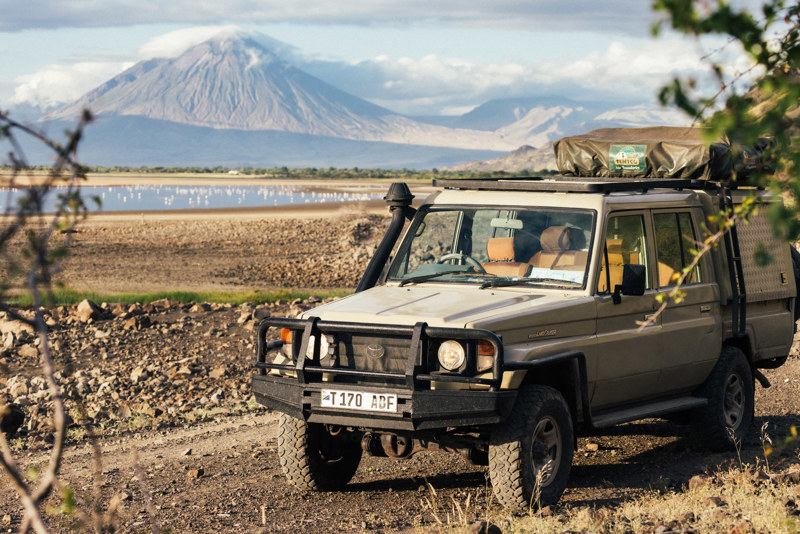
  • Drive slowly. Park limits are typically 50 km/h, and our contract sets 40 km/h, but 15 to 25 km/h suits the tracks and the wildlife.
  • Respect the Mikumi highway. Animals cross the road. Keep to the limit, slow down at dusk and dawn, and never stop on the road to view animals.
  • Scan the shade and the water. In the heat of the day animals gather under trees and at rivers, pools, and hippo ponds.
  • Stop when you see something, then switch off the engine. It steadies your camera and disturbs animals less.
  • Animals have the right of way. Do not honk, clap, call, or play music, and never feed or harass wildlife.
  • Approach at an angle, not head-on, and stop at a respectful distance. Give elephants with calves extra room.
  • Share sightings. If another vehicle is at a sighting, wait your turn, keep engines off, and do not block the track.
  • Keep windows up near baboons and in tsetse fly areas, and keep food out of sight.
  • Respect the closing time. Parks close at 6:00 pm, and you must be out of the gate by then.
  • Never leave the vehicle except at designated points.

Where to Self-Drive From Dar es Salaam: Park by Park

Gate staff and rangers can tell you which tracks are open on the day. Times are approximate, from Dar es Salaam.

Place

What to look for

Self-drive notes

Bagamoyo

A historic coastal town with old German and Arab buildings

About 1.5 to 2 hours. A gentle first drive

Saadani National Park

Bush and beach in one park, with giraffes, buffalo, and birds

About 3 to 4 hours. Part rough and sandy; check conditions in the rains

Mikumi National Park

Lion, giraffe, elephant, buffalo, and hippo, often called a mini-Serengeti

About 5 hours. The easiest first park; the highway crosses it. The park vehicle fee applies.

Udzungwa Mountains National Park

Rainforest trails, waterfalls, and rare primates

Beyond Mikumi, about 1.5 hours. Walking needs a ranger; park the vehicle at the gate.

Nyerere National Park

Boat and walking safaris, elephants, hippos, and lions on the Rufiji

About 4 to 4.5 hours. A 4×4 is needed; it’s best with a guide. Murram roads.

Morogoro and the Uluguru Mountains

A pleasant stopover with mountain scenery

About 3 hours. Paved

Tanzania Mandatory Park and National Park Rules

The southern parks are managed by the Tanzania National Parks Authority (TANAPA). Their rules apply to every visitor, and our rental agreement adds penalties of its own.

Topic

What applies

Payment

Cashless. Park fees are paid by card, smart card, or the official online portal. Cash is not accepted at the gates. Keep proof of payment on your phone and in print.

Hours

Driving in the parks is generally allowed between 6:00 am and 6:00 pm only. Be out of the gate by closing time.

Park speed limits

Commonly 50 km/h in TANAPA parks. Our contract sets 40 km/h, with a USD 50 overspeeding penalty.

Mikumi and the highway

The main Dar es Salaam to Iringa highway runs through Mikumi National Park, with animals crossing the road. Keep to the limit, slow down, and never stop on the highway to view animals. Fines apply to speeding and wildlife collisions.

Stay on track.

Off-road driving is prohibited and heavily penalized; our agreement sets a penalty of USD 150 per person in the vehicle.

Stay in the vehicle.

Only get out at designated points. Sitting on top of the vehicle carries a USD 100 penalty under our contract.

Wildlife

Animals have the right of way. Do not feed, call, hoot, clap, or harass them. No radios or music

Nyerere National Park

Best with a 4×4 and, for most visitors, a driver-guide or a lodge’s guided activities. Boat and walking safaris are arranged inside the park. Entry is by gate (for example, Matambwe or Mtemere).

Saadani National Park

A coastal park where the bush meets the beach. Roads can be rough and sandy; check access in the rains.

Udzungwa Mountains

Walking trails need a ranger or guide. Vehicles use the gate and designated parking.

Drones

Not allowed in any park without authorization

Litter and smoking

Take all litter with you; no smoking on game drives.

Picnics and camping

Only at designated sites

Our insurance does not cover damage inside national parks and conservation areas, including collisions with wildlife, and off-track driving is excluded. See the insurance section.

Scroll to Top