Nakuru Travel Guide: What to Do, How to Get There and Where to Go Next

Nakuru is one of Kenya’s largest cities and the gateway to Lake Nakuru National Park, set in the Great Rift Valley about 156 km north-west of Nairobi. The drive typically takes three to four hours. Nakuru suits first-time safari visitors, rhino and bird enthusiasts, families, and travelers who want a safari that fits into a weekend. Most visitors spend one to two days here, and it combines easily with Lake Naivasha, Lake Bogoria, and the Maasai Mara on a longer road trip. Other add-on features include Menengai Crater, Hyrax Hill, Lake Elmenteita, or Hell’s Gate. A day trip from Nairobi is possible but long.

There is a particular kind of surprise waiting for first-time visitors to Nakuru. You expect a stopover on the way to somewhere more famous, and instead you find a compact, fenced national park wrapped around a shallow soda lake, where white rhinos graze within sight of the town, Rothschild’s giraffes pick their way through the acacia woodland, and the horizon is bounded by the wall of the Rift Valley escarpment. It is a place that rewards a slow morning and a late afternoon, and it sits conveniently on some of Kenya’s best-loved routes.

7 days Self Drive Kenya safaris roadtrip Kenya tours

This guide covers what to see in and around Nakuru, how long to stay, when to go, how to get there, and how to get around, so you can decide where Nakuru fits into your Kenya plans. If you are still choosing between regions, our Kenya safari routes page shows how Nakuru connects with the Masai Mara National Reserve, Amboseli, and the northern parks.

Nakuru at a Glance

Nakuru sits on the floor of the Rift Valley at roughly 1,850 metres, at the edge of a shallow soda lake that has become one of Kenya’s best-known wildlife areas. The city itself is a busy commercial hub for the Rift Valley, and its location on the main highway between Nairobi and western Kenya makes it a natural stopover as well as a destination. The national park begins only a few kilometres south of the town centre, which is unusual: you can sleep in a city hotel and be among rhinos within half an hour.

Quick fact

What to know

Where it is

Nakuru County, in the Great Rift Valley, on the main road toward western Kenya (on the A104 highway0

Distance from Nairobi

About 156 to 160 km by road

Typical drive time

Around three hours in good traffic, and often three to four hours with trucks and roadworks

Known for

Lake Nakuru National Park, rhinos, Rothschild’s giraffe, birdlife, and, when conditions allow, flamingos

Also near

Menengai Crater, Hyrax Hill, Lake Elmenteita, Lake Naivasha, Hell’s Gate, and Lake Bogoria

Best for

First-time safaris, short breaks, rhino and bird lovers, families, and road-trippers

Time needed

One night for the park, two nights with nearby attractions, three or more as part of a Rift Valley loop

Park gates

Typically open at dawn and close at dusk, so confirm the current times before you travel.

Is Nakuru Worth Visiting?

Yes, for the right traveler. Nakuru rewards visitors who want a compact, well-organized safari close to Nairobi, with a strong chance of seeing both black and white rhinos in a protected sanctuary. The park is fenced and relatively small, which means wildlife is easy to find, distances are short, and a first game drive does not require an expedition. Many visitors also enjoy the scenery. Forested ridges, open grassland, and a pale lake create variety that larger savanna parks do not always offer.

Nakuru is less suited to travellers whose heart is set on the Big Five or the Great Migration. The park has no elephants because of its fencing, and the famous flamingo flocks come and go. If those are your priorities, Nakuru works better as a first or last stop on a longer route than as the whole trip. It also pairs naturally with Naivasha and the Maasai Mara, which is why so many itineraries include it.

Who Nakuru suits best

  • First-time safari visitors who want an easy introduction without long transfers.
  • Rhino and bird enthusiasts, because the sanctuary and the lake system support exceptional variety.
  • Families and weekend travellers looking for a short safari from Nairobi.
  • Self-drivers who want a manageable park for a first drive on their own.
  • Road-trippers crossing Kenya from Nairobi towards the Mara, western Kenya or Uganda.

How Many Days Do You Need in Nakuru?

Plan one night if the park is your main goal, and two nights if you want a relaxed pace. One night lets you arrive for an afternoon drive and return for a first-light drive the next morning, which is when rhinos and predators are most active. A second night allows you to add Menengai Crater, Hyrax Hill, and Lake Elmenteita without rushing. Three or four nights make sense when Nakuru is part of a wider Rift Valley loop that includes Naivasha, Hell’s Gate, and Lake Bogoria.

Time available

What fits

Best way to travel

One day from Nairobi

A single game drive in the park, with a short stop at a viewpoint. Long driving day

Early start with a driver-guide, or a confident self-drive

One night

Afternoon and morning game drives in the park

Self-drive 4×4 or pop-up roof vehicle

Two nights

Park plus Menengai Crater, Hyrax Hill and Lake Elmenteita

Self-drive 4×4, with a driver-guide for one day if you wish

Three to four nights

Nakuru plus Naivasha, Hell’s Gate and Lake Bogoria

Self-drive 4×4 with camping gear, or a driver-guide

Five days or more

Nakuru as part of a Rift Valley and Maasai Mara circuit

Long-term rental or a one-way route across Kenya

Things to Do in Nakuru

Nakuru’s attractions fall into four groups: wildlife in the national park, landscape and history around the city, other Rift Valley lakes within a day’s reach, and the everyday life of a working Kenyan town. The sections below cover each, so you can choose what suits your time and interests.

  • Game drives in Lake Nakuru National Park for rhinos, giraffes, buffalo, lions, and birdlife.
  • Baboon Cliff, the Out of Africa lookout and Makalia Falls for views and picnics.
  • Menengai Crater, one of the largest volcanic calderas in Africa, for hiking and sunset views.
  • Hyrax Hill, a prehistoric site and small museum on the edge of the city.
  • Lake Elmenteita and Soysambu Conservancy for birdlife, giraffes and the “Sleeping Warrior” hill.
  • Lake Naivasha and Hell’s Gate for boat rides, cycling and gorge walking.
  • Lake Bogoria for hot springs, geysers and flamingos.
  • Nakuru town for markets, restaurants and a taste of everyday Rift Valley life.

Lake Nakuru National Park: What to Expect

Lake Nakuru National Park began as a bird sanctuary in the early 1960s and later expanded to protect the whole lake and the land around it. It later became Kenya’s first rhino sanctuary, and it is still one of the most reliable places in the country to see both black and white rhinos. The park is compact and mostly fenced, with a good network of tracks, so a morning and an afternoon drive can cover most of its highlights.

Rhinos, giraffes, and other wildlife

Rhinos are the star attraction. Black and white rhinos live in the park’s woodland and grassland, and sightings are common on a well-timed morning drive, though no sighting is guaranteed. Rothschild’s giraffe is another highlight, a rare subspecies that was introduced to the park and now thrives among the acacias. Buffalo, waterbuck, zebra, impala and warthogs are easy to observe Lions and leopards live here too, and they are often spotted in the fever-tree forest, although leopards remain elusive. Hippos use the lake edges and rivers, and baboons are everywhere. Because the park is fenced, it does not support elephants.

Flamingos and water levels

Flamingos made Lake Nakuru famous, and when conditions are right the shoreline can turn pink with enormous flocks. However, flamingo numbers vary widely with water levels, lake chemistry and the algae they feed on, and the birds move between Rift Valley lakes such as Elmenteita, Bogoria and Nakuru. Some years the flocks are spectacular and other years they are sparse. Treat flamingos as a seasonal bonus, not a promise. Even without them, the lake supports pelicans, storks, eagles and many other waterbirds, and the park’s bird list runs well over four hundred species. Confirm current flamingo conditions with the park or your guide before you plan a trip around them.

Baboon Cliff, Out of Africa and Makalia Falls
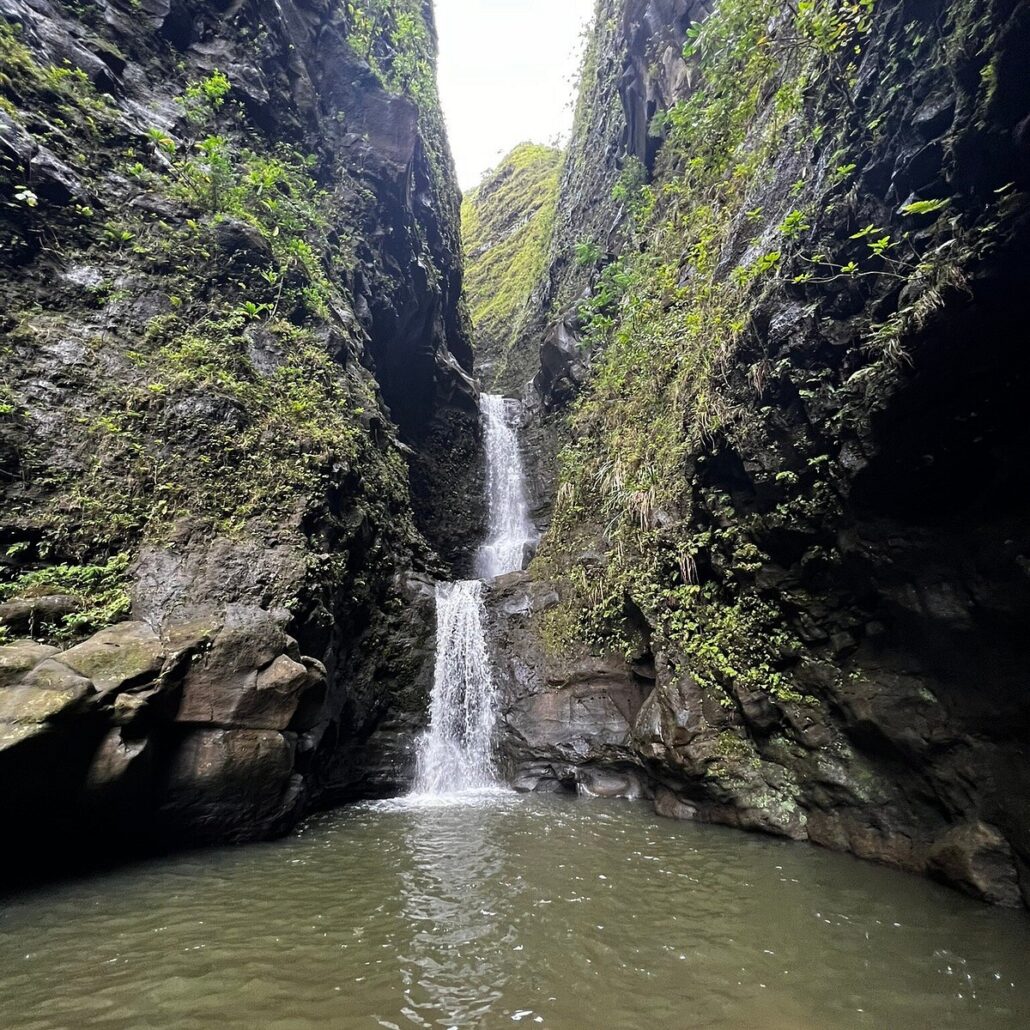
Car rental Lake nakuru national ParkBaboon Cliff is the park’s best-known viewpoint, with a sweeping panorama across the lake and the Rift Valley, and it has a picnic site that makes a natural lunch stop. The Out of Africa lookout offers another elevated view, and Lion Hill gives a sense of the ridges around the lake. Makalia Falls drops about ten meters on the southern side of the park and is most impressive after the rains. There are picnic and camping areas nearby, and it is a pleasant place for photography and birdwatching.

Which gate should you use?

Gate

Best for

Notes

Lanet Gate

Visitors arriving from Nairobi

Reached from the Nairobi–Nakuru highway at Lanet, with quick access to the eastern part of the park and the rhino areas

Main Gate

Visitors staying in Nakuru town

About 4 km from the city center and convenient for hotels and town stops

Nderit Gate

Visitors coming from Lake Elmenteita or the southern side

Quieter, and handy for lodges near the southern shore

Naishi and Makalia area gates

Campers and southern wilderness visitors

Southern tracks are rougher, so check conditions before you go

Gate hours, entry procedures and payment methods change from time to time. Tickets are typically bought online through the government’s cashless system, so confirm the current rules and carry identification before you travel. For a first visit, the practical choice is usually the gate nearest your accommodation, since most routes loop back through the park anyway.

Driving in Lake Nakuru National Park

Self-drive in Lake National Park is permitted, and the park’s size makes it one of the easier places in Kenya for a first drive. Stay on marked tracks, keep to the speed limits, and never leave your vehicle except at designated viewpoints and picnic sites. Park tracks are generally good in dry weather, but they can become slippery and sticky after rain, and tracks on the southern side are less maintained. If you plan to drive yourself, read our guide to self-driving Lake Nakuru National Park for gate-by-gate advice, vehicle choice, and what to carry.

Local notes from our team

Best gate for most renters: Lanet Gate if you arrive from Nairobi, and Main Gate if you are sleeping in town.

Best time for a drive: be at the gate when it opens. Early light brings the best rhino and predator activity, and cooler air makes birdlife easier to see.

Where renters tend to get stuck: soft ground near the lakeshore and slick tracks on the southern side after rain. Stay on established tracks and avoid shortcuts.

Road conditions on arrival: the approach roads to the main gates are tarmac, and the park tracks are murram.

Other Nakuru Attractions Beyond the Park

The area around Nakuru is rich in landscape, history, and wildlife that many visitors overlook. These stops make a second day worthwhile, and most are within an hour of the city.

Menengai Crater
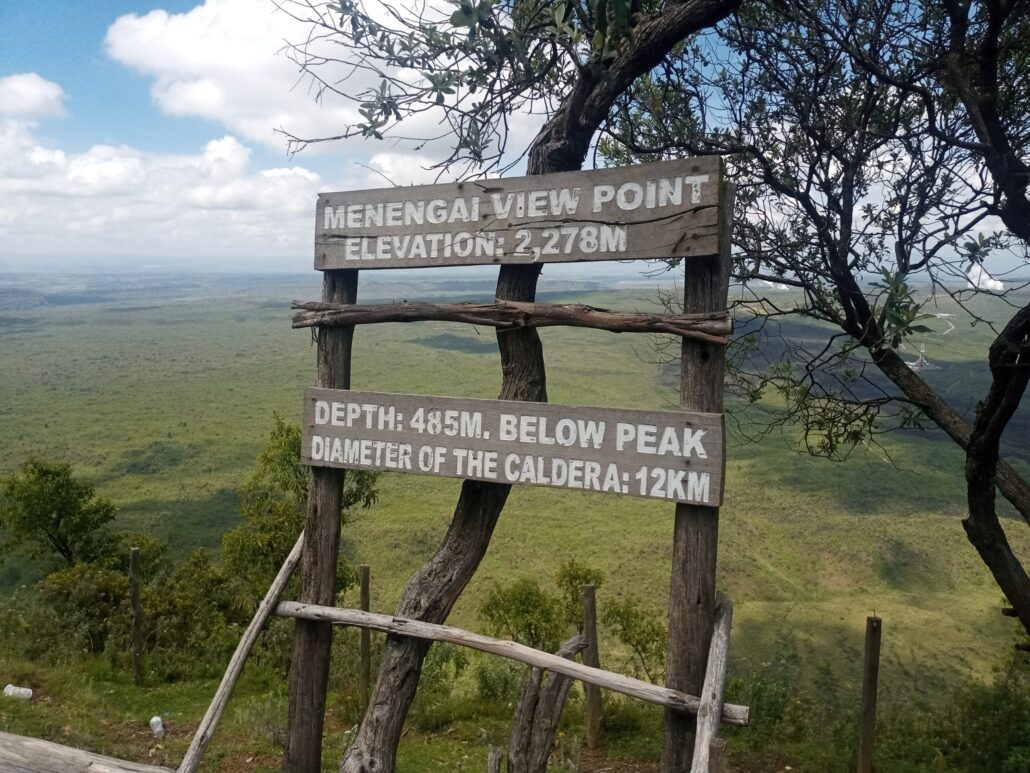
Menegai Crater Lake Nakuru National ParkMenengai is a vast volcanic caldera just north of Nakuru, and it is one of the largest in Africa. The viewpoint on the rim looks down into a forested bowl, and the crater has strong cultural importance for local communities. You can hike with a local guide or simply stop for sunset photography. It is an effortless afternoon addition after a morning in the park.

Hyrax Hill Prehistoric Site

Hyrax Hill lies on the edge of Nakuru, just a few kilometers from the center, and preserves evidence of early settlement in the Rift Valley. A small museum displays artifacts, and walking trails lead past excavated areas, a tortoise pit, and views over the lake. It takes about an hour, which makes it ideal when you want something quiet between game drives.

Lake Elmenteita and Soysambu Conservancy

Lake Elmenteita is another soda lake between Nakuru and Naivasha, well known for pelicans, flamingos in the right season, and the silhouette of the “Sleeping Warrior” hills. The Soysambu Conservancy on its shore protects Rothschild’s giraffes, zebras, and other wildlife and offers a quieter, less crowded alternative to the national park. Nearby, the Kariandusi prehistoric site and several lodges make it a convenient lunch or overnight stop.

Lake Naivasha and Hell’s Gate

Lake Naivasha is a freshwater lake with hippos, birdlife, and boat rides, and nearby Hell’s Gate National Park lets you cycle or walk among cliffs, a gorge, and geothermal features. Both sit south of Nakuru on the road to Nairobi, so they fit neatly into a two-day route in either direction. For ideas on stringing them together, see our Kenya safari routes guide.

Lake Bogoria

Lake Bogoria lies north of Nakuru and is known for its hot springs, geysers and, in the best years, large flocks of flamingos along the shore. It is a longer excursion, so allow most of a day, and check the road and weather before you set out.

Lord Egerton Castle and other stops

Lord Egerton Castle near Njoro is a historic building with a story to tell, and the surrounding farmland shows another side of the Rift Valley. Together with Nakuru’s local markets, it suits visitors who want culture and history alongside wildlife.

Nakuru Town: Stopovers, Fuel, Groceries, and Restaurants

Nakuru is a practical place to prepare for a trip, even if you are not staying overnight. The city center and its main roads have fuel stations, supermarkets, banks, ATMs, pharmacies, and plenty of restaurants. If you are heading into the Rift Valley or western Kenya, it is a sensible place to refuel and restock.

7 Days Rwanda Self-drive safari One-way car rental Rwanda roadtrips

  • Fuel: Fill up before leaving the city, particularly if you plan to continue to the Maasai Mara, Lake Bogoria, or western Kenya. Fuel is easier to find and often better priced in a city than at remote stations.
  • Groceries: Supermarkets in the center and on the larger roads stock everything you need for picnic lunches, camping meals, and drinks. Buy water, snacks, charcoal or gas, and fresh produce before you enter the park, because there are few shops inside.
  • Restaurants: Nakuru has a good mix of local and international options, including popular coffee and meal chains, and many places serve nyama choma and local dishes. Ask your hotel for current favorites, since restaurants open and close often.
  • Cash and cards: ATMs are widely available, and mobile money is the most common way to pay in small shops. Carry a card for park fees and a little cash for markets and tips.
  • Market and local life: the town market is a good place to buy fruit, vegetables, and crafts and to see everyday Rift Valley life.
  • Timing the stop: the city center gets busy in the morning and evening. If you arrive from Nairobi mid-morning, a coffee and fuel stop before the park costs little time.

Best Time to Visit Nakuru

You can visit Nakuru all year, and the best time depends on what you want to see. The dry months, from roughly June to October and again from January to February, bring the most comfortable driving, dusty but firm tracks, and easy wildlife viewing. The long rains from about March to May make tracks muddy and some lodges quiet, but the landscape turns green and waterfalls such as Makalia are at their best. The short rains from about November to December bring fewer visitors and abundant birdlife, with the occasional afternoon shower.

  • For wildlife: the dry season concentrates animals near water and makes them easier to spot.
  • For birdwatching: the wetter months and the northern-hemisphere winter bring migratory species, and many resident birds breed in this period.
  • For flamingos: there is no fixed season, because numbers follow the lake’s water level and chemistry. Check recent reports before you go.
  • For waterfalls and green scenery: visit after the rains, but take extra care driving.
  • For fewer crowds: choose weekdays outside school holidays and public holidays.

Weather in the Rift Valley can change quickly, so pack for cool mornings, warm afternoons, and a chance of showers.

How Far Is Nakuru From Nairobi?

Nakuru is about 156 to 160 kilometers from Nairobi by road. The drive typically takes about three hours without traffic, and three to four hours is a safer estimate because the A104 carries many heavy trucks. The route leaves Nairobi through Limuru, climbs to the escarpment, then descends into the Rift Valley with views you will want to photograph at designated viewpoints. After Naivasha and Gilgil, the road passes Lake Elmenteita and continues to Lanet, where one of the park’s gates is signposted, before reaching the city.

  • Leave Nairobi early, ideally between 6 am and 7 am, to avoid the heaviest traffic and arrive in time for a game drive.
  • Expect slow stretches on steep sections, near towns, and wherever roadworks are underway.
  • Avoid driving after dark, because trucks, pedestrians, and livestock are harder to see.
  • Plan stops: the Rift Valley viewpoint and the lakes at Naivasha and Elmenteita make natural breaks.
  • Check road conditions before you travel, since construction and weather can change journey times.

From

Approximate distance

Typical time

Nairobi

About 156 to 160 km

3 to 4 hours

Naivasha

About 60 to 70 km

About 1 hour

Lake Elmenteita

About 30 to 40 km

About 40 minutes

Maasai Mara (Sekenani area)

Around 250 km

Roughly 5 to 6 hours

Lake Bogoria

About 60 to 80 km

About 1.5 to 2 hours

Eldoret

About 150 km

About 2.5 to 3 hours

Kisumu

About 180 km

About 3 to 3.5 hours

Where Nakuru Sits on Kenya’s Safari Routes

Nakuru works as a destination and as a hinge on Kenya’s road network. Three routes pass through it, and each can be turned into a longer trip.

The Rift Valley Lakes Loop

This route links Nairobi, Lake Naivasha, Hell’s Gate, Lake Elementeita, and Lake Nakuru, with an optional extension to Lake Bogoria and Lake Baringo. It suits travelers who want several landscapes in three to five days, using short drives and mostly good roads. A self-drive 4×4 works well, and camping gear lets you stay close to the lakes. The loop is one of the Rift Valley options in our Kenya safari routes guide.

The road to the Maasai Mara

Many travellers pair Lake Nakuru with the Maasai Mara by travelling from Nairobi to Nakuru, then on to the Mara, or vice versa. The drive is long, so it usually takes most of a day, and the final approach to the reserve is more demanding than the highway. This is a good moment to consider a safari vehicle with a pop-up roof or a driver-guide for the Mara leg, because the reserve’s rules and tracks are more demanding than Nakuru’s.

The road to western Kenya and Uganda

Nakuru is a stopping point on the main road from Nairobi to Eldoret, Kisumu, and the Ugandan border at Busia or Malaba. A rented vehicle can continue across the border with the right permission and paperwork, and you can read the details in our guide to cross-border car rental from Kenya. Many road-trippers split the Nairobi to Kampala journey with a night in Nakuru.

Getting to and Around Nakuru

Nakuru is easy to reach by road, and a vehicle is almost essential if you want to see the park and the nearby attractions on your schedule. Public transport reaches the city center, but it does not enter the national park or reach most viewpoints, so travelers who want flexibility usually rent a vehicle. If you want to compare options, see car rental Nakuru, which covers pick-up, pricing structure, and what to ask before you book.

Choose the right vehicle.

If you like…

Choose

Why

Freedom to explore at your own pace

A self-drive 4×4

Good for Lake Nakuru, Naivasha, Elmenteita, and the Rift Valley. Read about self-drive Lake Nakuru National Park before you go.

The best views and photography

A safari vehicle with a pop-up roof

Everyone can stand and look out without leaving the vehicle.

Local knowledge and no navigation stress

A driver-guide

The guide finds wildlife, handles park procedures, and drives the long road legs.

To camp and keep costs down

Camping gear and rooftop tent rental

Public and special campsites exist inside and around the park.

To finish in another city

One-way car rental from Nairobi

You can drop the vehicle in Nakuru, Mombasa, or another city to avoid backtracking.

Whichever vehicle you choose, ask about mileage limits, insurance excess, park fee responsibility, and what to do if you break down. Rental terms are easier to compare when you know your route in advance, so decide whether Nakuru is your whole trip or one stop in a longer journey.

Where to Stay in Nakuru

Accommodation falls into four groups, and the best choice depends on your budget, your style of travel, and how much driving you want to do on arrival.
Nakuru Travel guide

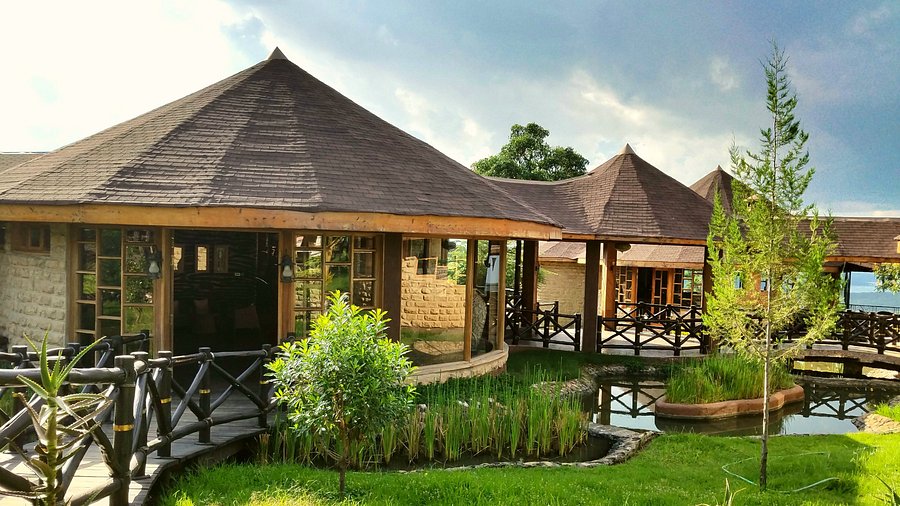
  • Inside or beside the national park: lodges and tented camps put you minutes from the gates, so you can enter at dawn and return for a midday rest. Examples in the area include Lake Nakuru Lodge, Sarova Lion Hill Game Lodge, Lake Nakuru Sopa Lodge, and Flamingo Hill Tented Camp. Check current availability and rates.
  • Public and special campsites in the park: campsites such as Makalia, Reedbuck, Naishi, Rhino and Chui are reported inside the park, along with picnic sites at Baboon Cliff and Out of Africa. Book through the official park system, because rules and availability change.
  • Nakuru city hotels: a good choice for travellers who want restaurants, supermarkets and short drives to Main Gate, Hyrax Hill and Menengai Crater.
  • Elmenteita, Naivasha and Gilgil lodges: suitable if you plan to combine Nakuru with the lakes along the Nairobi side of the highway.

If you are driving yourself, choose accommodation with secure parking, and check how far it is from the gate you intend to use. Arriving after dark is possible, but it is easier and safer to reach your lodge or campsite before sunset.

Sample One-Day and Two-Day Nakuru Plans

One day from Nairobi (long but possible)

  • 6:00 am: leave Nairobi and stop at the Rift Valley viewpoint.
  • 9:00 to 9:30 am: enter through Lanet Gate and start a game drive in the rhino areas.
  • 12:00 noon: picnic at Baboon Cliff or the Out of Africa lookout.
  • 1:30 pm: a lakeshore drive for birds and, when present, flamingos.
  • 4:00 pm: exit the park before the gates close.
  • 4:30 pm: begin the drive back, ideally reaching Nairobi before the late-evening traffic, so expect a tiring day.

Two days: park, crater and lakes

  • Day 1: leave Nairobi early, stop at Lake Naivasha or the Rift Valley viewpoint, arrive at Lake Nakuru National Park for an afternoon game drive, and overnight in or near the park.
  • Day 2 morning: a first-light drive through the rhino sanctuary and the fever-tree forest, then breakfast.
  • Day 2 midday: visit Hyrax Hill and Menengai Crater, and have lunch in Nakuru town.
  • Day 2 afternoon: drive to Lake Elmenteita for birdlife, or continue to Naivasha for a boat ride or Hell’s Gate, and return to Nairobi or carry on to the Mara.

Three to four days: Nakuru as part of the Rift Valley

  • Day 1: Nairobi, Lake Naivasha, and a boat ride.
  • Day 2: Hell’s Gate cycling and gorge walk, then on to Elmenteita or Nakuru.
  • Day 3: Lake Nakuru National Park, with morning and afternoon drives.
  • Day 4: Menengai Crater and Hyrax Hill, then continue to Lake Bogoria or return to Nairobi

Is Nakuru a good place for a first-time safari?
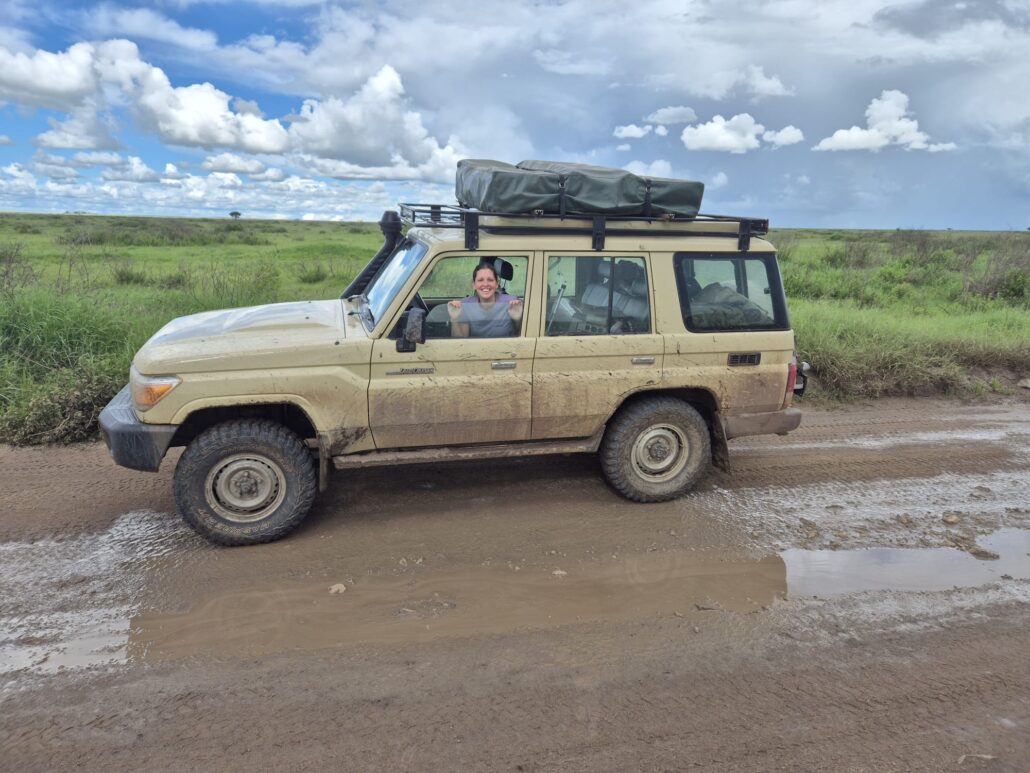
Self Drive Car rental Samburu national ReserveYes. Nakuru is one of the easiest places to experience a safari in Kenya. The park is compact, the roads are well established, and the animals are straightforward to find, so first-time visitors do not need to spend long days on rough tracks. The city’s facilities also mean that supplies, fuel, medical help, and communication are close at hand. If you later move on to bigger parks, you will already understand how a game drive works. The main caution is expectations: Nakuru offers rhinos, giraffes, and birds more reliably than flamingos, big herds, or elephants.

Before You Travel: Insurance, Health, and Documents

  • Kenya eTA: most foreign visitors need an electronic travel authorization before arrival.
  • Mandatory travel health insurance: most overseas visitors who travel on an eTA now have to show a Kenyan health insurance policy, a separate cost from your rental and your cover. It is added during the eTA application or bought through eCitizen. Rules and premiums have been adjusted since launch, so check the official portal on the day you apply.
  • Your cover: keep a full travel policy that includes medical evacuation.
  • Driving documents: carry your license and an International Driving Permit, plus your rental agreement and insurance papers.
  • Park fees and gate rules: tariffs and procedures change, so confirm the current rates and payment methods before you travel. Tickets are typically bought through the government’s cashless system.
  • Health notices: an Ebola outbreak linked to the DR Congo is affecting regional travel this month. Kenya’s main safari areas are described by operators as unaffected, yet airports and borders run screening, so read the latest Ministry of Health and embassy notices shortly before you leave.

Nakuru Travel Frequently Asked Questions

What is there to do in Nakuru?

The main attraction is Lake Nakuru National Park, with game drives, viewpoints such as Baboon Cliff and Makalia Falls, and birdwatching. Nearby you can visit Menengai Crater, Hyrax Hill, Lake Elmenteita, Lake Naivasha, Hell’s Gate, and Lake Bogoria, and enjoy Nakuru town’s markets and restaurants.

Is Nakuru worth visiting?

Yes, especially for first-time safari visitors, rhino and bird lovers, and anyone who wants an easy safari near Nairobi. It is less suited to travelers whose priority is the Big Five or the Great Migration.

How many days do you need in Nakuru?

One night is enough for the park, two nights let you add Menengai Crater, Hyrax Hill, and Lake Elmenteita, and three to four nights suit a wider Rift Valley loop.

How far is Nakuru from Nairobi?

The distance from Nairobi to Nakuru is about 156 to 160 km by road, and the drive typically takes three to four hours, depending on traffic.

What is the best time to visit Nakuru?

The dry months from about June to October and January to February are the easiest for driving and wildlife viewing. The wetter months are greener and quieter, making them good for birds and waterfalls.

Can you see flamingos at Lake Nakuru?

Sometimes. Flamingo numbers depend on water levels and algae, and the birds move between Rift Valley lakes. Treat them as a seasonal bonus and check recent conditions before you go.

Is Nakuru good for a first-time safari?

Yes. The park is compact, the roads are good, and wildlife is easy to find, which makes it an easy first safari.

Are there elephants in Lake Nakuru National Park?

No. The park is fenced to protect rhinos and giraffes, so it does not support elephants. You can see them in other parks such as Amboseli and Tsavo.

Can I self-drive in Lake Nakuru National Park?

Yes, self-drive is permitted. Stay on marked tracks and follow park rules, and see our guide to self-drive Lake Nakuru National Park for practical advice.

Do I need a 4×4 in Nakuru?

Many park tracks are passable in dry weather in a standard car, but a high-clearance 4×4 is safer after rain on southern tracks and if you plan to continue to the Mara or other parks.

Which gate should I use at Lake Nakuru National Park?

Lanet Gate is usually the most convenient from Nairobi, Main Gate suits visitors staying in Nakuru town, and Nderit Gate suits visitors arriving from Lake Elmenteita.

Can I camp in Lake Nakuru National Park?

Yes, public and special campsites are reported inside the park. Please book through the official park system to confirm current availability and rules.

Can I do Nakuru as a day trip from Nairobi?

Yes, but it is a long day. An early start and a single game drive make it possible, although an overnight stay is more relaxed.

What does it cost to enter Lake Nakuru National Park?

Fees vary by visitor category and change over time, and tickets are typically bought online. Please confirm the current tariff and payment method before you travel.

Is it safe to visit Nakuru?

Nakuru is a busy city and a well-visited park. Follow normal precautions: avoid driving at night, keep valuables out of sight, stay on marked tracks in the park, and check current advice before you travel.

Get a Quote for Your Nakuru Trip

Tell us your dates, group size, route from Nairobi, and the kind of trip you want, and we will recommend the right vehicle for it, whether that is a self-drive 4×4, a safari vehicle with a pop-up roof, a driver-guide, or a vehicle with camping equipment. We will confirm the itemized costs, the insurance, and the paperwork before you pay.

Scroll to Top