Self Drive In Ol Pejeta Conservancy
Self drive in Ol Pejeta Conservancy: Car rental 4×4 hires 4×4 self drive car rentals in Ol Pejeta Conservancy to drive yourself through Laikipia’s famous wildlife conservancy: the rules, the gates, a calm first drive, game-driving technique on open plains, the new mandatory health insurance and 4×4 hire with Car Rental 4×4
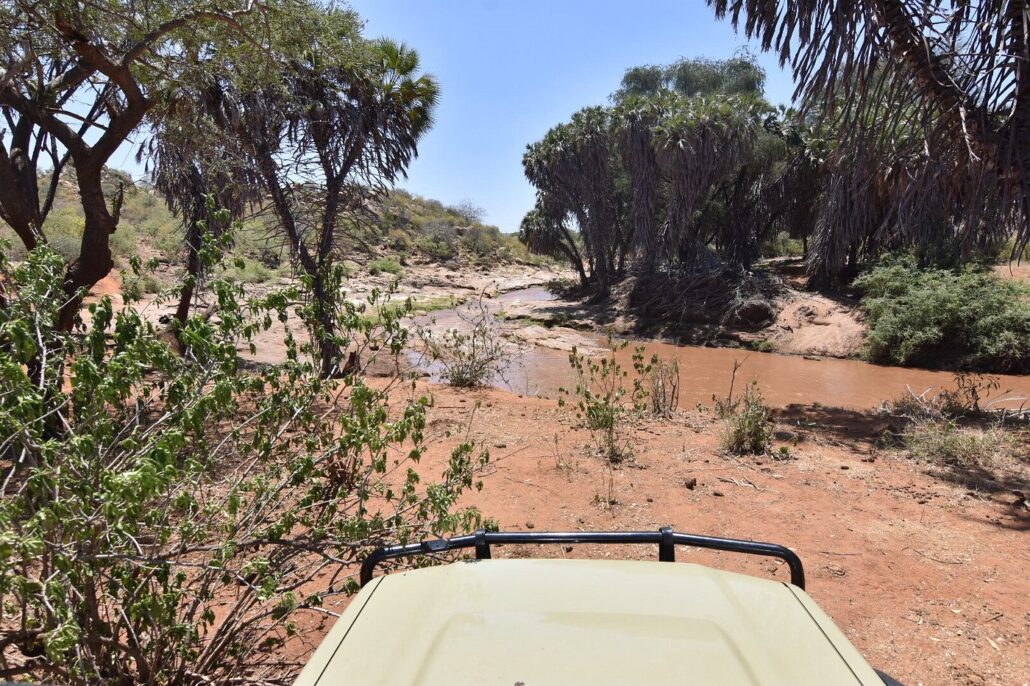
There is a particular pleasure in driving yourself into a wild place. You choose the gate, you choose the track, and you choose how long to sit with the engine off while a black rhino grazes thirty metres away and Mount Kenya stands clear above the plain. Ol Pejeta gives you that pleasure on the Laikipia plateau, on well-kept graded roads, within about four hours of Nairobi. It asks only that you follow the conservancy’s rules, because the animals here, including the last two northern white rhinos on Earth, are protected with great care.
This page explains how self-drive works for Ol Pejeta Conservancy: whether it suits you, how to reach the gate calmly, what the rules are, how to drive a game drive well on open plains, where to go, what to do if you get stuck, what it costs, and what Kenya’s new health insurance requirement means before you fly.
Self Drive Ol Pejeta Conservancy at a Glance
Can you self-drive in Ol Pejeta Conservancy? Yes. The conservancy’s own guidance says visitors may self-drive, subject to its rules. Kenya drives on the left. Carry your home licence, an International Driving Permit (strongly recommended) and your passport. New from October 2026: every foreign visitor to Kenya must hold Kenya’s mandatory inbound travel health insurance before arrival. See the section below. How hard is it? Gentler than most Kenyan parks. The conservancy is compact, the main roads are graded gravel and the wildlife is easy to see on open plains. The harder part is the 220 km highway drive from Nairobi. Best vehicle: a high-clearance 4×4, such as a Land Cruiser or Hilux. A RAV4 or Nissan X-trail can manage the main graded roads in dry weather, but not in or after rain. Tickets: cashless, bought in advance. About USD 110 per non-resident adult and USD 55 per child per day, plus a vehicle fee. Gates and hours: entry and exit through Rongai Gate and Serat Gate, roughly 7:00 am to 7:00 pm. Northern white rhinos: seen only on a booked, guided encounter, about USD 70 per adult. Book ahead. Daylight only: our vehicles are on the road between 6:00 am and 7:00 pm. Prefer a guide? A driver-guide is available from $40 per day. Published add-ons (USD): rooftop tent $20/day · ground tent $5/day · fridge $10/day. Deposit and excess: $500 security deposit where requested; excess $500 (RAV4), $1,500 (Prado TX/TZ), $2,000 (LX, V8, Hardtop). Mileage and support: unlimited mileage and 24/7 roadside assistance. Request a quote or write to rent@carrental4x4.com. |
Before You Travel: Kenya's New Mandatory Travel Health Insurance
This is new, and it affects every foreign visitor. From early October 2026, Kenya requires travellers to hold a government-designated inbound travel health insurance policy before they enter the country. It applies to tourists, business travellers and anyone visiting for less than 12 months, and it is separate from your rental, your car insurance and, according to current guidance, from the travel insurance you buy at home. Please read this section before you book flights.
Question | Answer (as of 19 October 2026) |
What is it? | Mandatory inbound travel health insurance for foreign visitors, based on Kenya’s Social Health Insurance Act of 2023 and a Ministry of Health notice published in July 2026 |
Who needs it? | Foreign visitors staying less than 12 months. Diplomats, crew, Kenyan residents and transit passengers are reported as exempt. Some reports say travelers from ETA-exempt countries are exempt for now; others say it applies to all non-Kenyans. |
When did it start? | The rule took effect for new Electronic Travel Authorisation (ETA) applications on 5 to 6 October 2026 |
What does it cost? | About USD 44 for the policy, which is valid for one year and covers repeat visits in that period, plus a small gateway fee (about USD 8) when bought through the ETA system. |
Where do I buy it? | Through Kenya’s official ETA portal as part of your application, or in advance on the government’s eCitizen insurance page. Buy only from official government sites |
I already have an approved ETA. Do I still need it? | Yes. Travellers who hold an approved ETA but have not bought the insurance must still buy it before arrival, and immigration may ask for proof |
Will airlines check? | Airlines have been asked to check passengers’ policies before boarding, and travellers without insurance may be refused entry |
Is my own travel insurance enough? | Current guidance says no: the government policy is separate from private cover. Keep your own travel, medical and evacuation insurance as well |
Has the rule changed? | Yes, it has been challenged in court. A court suspended it in August 2026 and then dismissed the challenge in October, so the rule stands. Details are still being clarified. |
What to do: buy the policy on the official portal when you apply for your ETA, save the electronic certificate on your phone and a printed copy, and carry it with your passport. Show it at the airport when asked.
How this relates to your car rental. Our rental insurance covers the vehicle (collision and theft), not people. It does not provide medical or personal cover for you or your passengers. Kenya’s mandatory policy, your own travel insurance and our vehicle insurance are three separate things.
Can You Self-Drive in Ol Pejeta Conservancy?
Yes, according to the conservancy’s own visitor guidance, which says visitors may drive themselves as well as take a driver-guide. Some third-party travel sites say self-driving is not permitted, so please confirm the current position with the conservancy when you book, and we will confirm it in your quotation. Entry is by ticket and vehicle fee, paid cashless, and the conservancy sets its own rules for speed, tracks and wildlife viewing.
Three points set it apart from a national park. It is privately managed by a not-for-profit trust, so the rules and fees are the conservancy’s, not the Kenya Wildlife Service’s. It is compact and well kept, with graded roads, so it suits first-time self-drivers. And the wildlife is closely protected: the northern white rhinos are not seen from the public tracks but on a booked, guided encounter.
Who Can Rent a Car and Drive in Kenya?
Any hirer who holds a valid driving licence, presents a passport, signs the rental agreement in person and is named as a driver. Only named drivers may drive, and the vehicle may not be sublet. Minimum age and licence-tenure requirements are stated in your written quotation.
What Documents Do You Need?
- Passport and valid Kenyan Electronic Travel Authorisation (ETA), where required for your nationality.
- Proof of Kenya’s mandatory inbound travel health insurance.
- Valid driving licence from your home country; an international permit is also accepted.
- Booking confirmation and the signed rental agreement.
- Security deposit, where requested.
- Proof of payment for your conservancy ticket.
- Your own travel, medical and life insurance. Our vehicle insurance does not cover personal injury.
Do You Need an International Driving Permit?
A valid licence from your country of origin works best, and an International Driving Permit is also accepted. It is strongly recommended, is often requested by rental companies, and is required if your licence is not in English or the Latin alphabet. Carry it alongside your licence, never instead of it. Several sources say a valid English-language foreign licence can be used by visitors for up to 90 days, but rules vary; check the National Transport and Safety Authority’s current requirements for longer stays.
Self-Drive Readiness Check: Are You Ready?
Ten honest questions. Answer yes to most of them and an Ol Pejeta self-drive will suit you.
Question | If the answer is no… |
Are you comfortable driving on the left, including on the busy Nairobi to Nyeri highway? | Take a driver for the highway stretch, or collect the vehicle in Nyeri or Nanyuki |
Do you have a valid licence and an International Driving Permit? | Arrange a permit before you travel |
Have you bought Kenya’s mandatory travel health insurance and saved the certificate? | Buy it on the official portal before you fly |
Have you paid your conservancy ticket in advance, and booked any rhino encounter or night drive? | Pay and book on the conservancy’s official channels; gates do not take cash |
Have you driven on gravel and black cotton soil? | Choose a 4×4, and consider a driver-guide for the first day |
Can you change a wheel and use a jack? | Practise before you travel; we supply the tools |
Will you stay in the vehicle, keep to the tracks and share sightings with other vehicles? | The rules are strict, and the penalties apply to you |
Can you be out of the gate or back at your lodge by 7:00 pm and avoid driving after dark? | Plan a shorter drive; night driving is outside our driving hours |
Can you navigate with a conservancy map and offline maps? | Take a driver-guide, or stay on the main roads near Rongai Gate |
Do you know who to call if something goes wrong? | Save our 24/7 number before you set off |
We also ask about your experience on gravel, mud and manual gearboxes at booking, because it shapes the vehicle and route we recommend. It is not a test; it is how we help you avoid a bad day.
Your First Self-Drive: From Nairobi to the Gate
The highway north from Nairobi is the longest part of the day, and it is a busy road. A calm approach makes the whole journey easier.
- Do the paperwork the day before. Pay your conservancy ticket, book any rhino encounter, save the proof on your phone and print a copy, and check that your travel health insurance certificate is saved too.
- Collect the vehicle in daylight and in no hurry. Walk around it with us, check tyres, lights, spare and jack, and sit in the driver’s seat until the controls feel familiar.
- Set your navigation before you move. Enter the gate while parked, and download offline maps.
- Leave early. Aim to leave Nairobi before 6:00 am to clear the city and reach Rongai Gate by mid-morning.
- Treat the highway with respect. The route runs through Thika, Nyeri and Naro Moru. Trucks, buses and matatus dominate; overtake only with a long clear view, and expect mist and cool air near Mount Kenya.
- Fill the tank in Nyeri or Nanyuki. Do not count on fuel near the conservancy.
- Have your documents at hand. Passport, ticket, vehicle papers and insurance certificate.
Driving Time to the Gate
From | Approximate time to Rongai Gate |
Nairobi (city and Karen) | About 220 km; 4 to 4.5 hours |
Nairobi airports (JKIA and Wilson) | About 220 km; 4 to 4.5 hours |
Nyeri | About 70 km; roughly 1.5 hours |
Nanyuki | About 20 to 30 minutes |
Nyahururu (to Serat Gate) | Roughly 1.5 to 2 hours. |
Times are for light traffic and are approximate.
How to Drive a Game Drive: Technique for Self-Drivers
Ol Pejeta’s open plains reward slow, quiet driving, and its rules reward patience. These habits turn a drive into a safari.
- Drive slowly. Follow the posted limit; our contract sets 40 km/h, but 15 to 25 km/h is better for spotting wildlife.
- Scan the horizon, then the grass. On open plains, look for ear flicks, tails and a lion’s head above the grass, and for cheetah on termite mounds.
- Check the water and the swamp edges. Elephant, buffalo and rhino are often found near water.
- Respect the six-vehicle rule. The conservancy limits the number of vehicles at a sighting and the time each may stay. Wait your turn, keep engines off and do not block the track.
- Give rhinos extra room. Rhinos see poorly but hear and smell well, and can move suddenly. Keep your distance, stay quiet and never position yourself between a mother and her calf.
- Stop when you see something, then switch off the engine. It steadies your camera and disturbs animals less.
- Approach at an angle, not head-on, and stop at a respectful distance.
- Let animals cross. Wait until the last animal has passed before moving on.
- Use the golden hours. Early morning and late afternoon bring the best light and the most active wildlife, but be back at your lodge by 7:00 pm.
- Ask at the gate and the information centre where animals were seen that day.
Never leave the vehicle except at designated points.
The Ol pejeta Conservany Gates: How to Enter Ol Pejeta Conservancy
Gate | Where it is | Best for | Notes |
Rongai Gate | East side, a short drive from Nanyuki town | Visitors from Nairobi via Nyeri and Nanyuki; the main gate for most visitors | Close to the Equator marker and the main visitor facilities. |
Serat Gate | West side, on the Rumuruti road | Visitors from Nyahururu, Rumuruti and the Rift Valley side | A quieter approach. |
Entry and exit are through these two gates. Choose yours by where you are collecting the vehicle and where you will sleep, and ask us which suits your route. Gates are cashless, so buy your ticket first.
Ticket, Hours and Rules at Ol Pejeta Conservancy
Ol Pejeta sets its own rules, and our rental agreement adds penalties of its own. Breaking either risks fines, ejection and loss of insurance cover.
Topic | What applies |
Tickets | Cashless and bought in advance through the conservancy’s online portal or by card. Keep proof of payment on your phone and a printed copy in the vehicle. Day tickets are single-entry and valid for 24 hours |
Non-resident fees | About USD 110 per adult and USD 55 per child per day; student rates apply for booked groups. Lower rates apply for East African citizens and residents. |
Vehicle fee | A small fee per vehicle, by seating capacity (about KSh 1,000 for vehicles up to six seats). |
Hours | About 7:00 am to 7:00 pm. Overnight guests must be back at their lodge or camp by 7:00 pm. Our vehicles are on the road only between 6:00 am and 7:00 pm. |
Stay on tracks | Off-road driving is prohibited and heavily penalised; our agreement sets a penalty of USD 150 per person in the vehicle |
Speed | Follow the posted limit; our contract sets 40 km/h inside parks and conservancies, with a USD 50 overs peeding penalty |
Stay in the vehicle | Only get out at designated points. Sitting on top of the vehicle carries a USD 100 penalty |
At sightings | A maximum of six vehicles may be at a sighting at once, for a limited time each. Wait your turn, keep engines off and do not block the track |
Rhinos | Never approach rhinos on foot. The northern white rhinos are seen only on a booked guided encounter |
No night driving | No driving in your own vehicle after dark; night drives are conservancy-led |
No feeding or harassing wildlife | Keep windows up and food out of sight; no drones without authorisation; take your litter with you |
Our insurance does not cover damage inside national parks and conservancies, including collisions with wildlife, and off-track driving is excluded. See the insurance section.
Road Conditions for an Ol Pejeta Self-Drive
Road or area | Condition | 4×4 needed? |
Nairobi to Nanyuki (Thika, Nyeri, Naro Moru) | Paved and busy; slow trucks and towns; cool and sometimes misty near Mount Kenya | No |
Main graded roads in the conservancy (dry weather) | Well-maintained gravel, dusty and corrugated in places | Recommended; a RAV4 or X-trail can manage |
Smaller tracks near swamps and rivers | Softer ground | Yes |
Any track after heavy rain | Black cotton soil turns slick and sticky | Yes; sometimes impassable |
The long rains fall roughly from March to May and the short rains in November. At about 1,800 metres, Laikipia is cool: mornings and evenings can be cold and mist is common on the Mount Kenya road. In wet conditions, delay or shorten your day rather than push on.
What You Can See in Ol Pejeta Conservancy
Ol Pejeta is a working conservancy: it protects wildlife, runs cattle and supports its neighbours, with the income reinvested in conservation. Wildlife is plentiful on open grassland, which makes it easier to see than in thick bush.
- The last two northern white rhinos: Najin and Fatu live under armed protection and are seen only on a booked, guided encounter, not from the public tracks. About USD 70 per adult.
- Black rhino: the conservancy is described as the largest black rhino sanctuary in East Africa, and they are often seen from the tracks.
- Sweetwaters Chimpanzee Sanctuary: rescued chimpanzees in a protected sanctuary, the only place in Kenya to see them. It has its own entry fee.
- Lion, cheetah and leopard: lion and cheetah are regularly seen on the open plains; leopard are present but elusive.
- Elephant, buffalo and plains game: large herds, with giraffe, zebra, eland and rarer dry-country species such as Grevy’s zebra and Jackson’s hartebeest.
- Birds and landscape: wetlands, acacia and open plains, with Mount Kenya behind. More than 300 bird species.
- The Equator: a marker near Rongai Gate where you can stand with a foot in each hemisphere.
Night game drives and conservation experiences: shared night drives and guided experiences such as lion tracking can be booked with the conservancy. About USD 70 per adult.
If You Get Stuck or Break Down on a Self-Drive
Step | What to do |
1. Stop safely | Pull off the track if you can, switch on hazard lights and put out the reflective triangles. In a conservancy, stay in the vehicle. |
2. Do not spin the wheels | It digs you deeper. Switch off and assess. |
3. Use the right gear | On soft or slick ground, engage four-wheel drive and low range, and try gentle reversing in your own tracks. |
4. Clear and support | If it is safe, clear soil from the wheels and place traction boards under the driven wheels. |
5. If the track turns to mud | Black cotton soil becomes slick and sticky after rain. Do not push on; turn back while you still can. |
6. Call us | Call or WhatsApp our 24/7 line with your location. Do not arrange repairs yourself. Rangers and other vehicles are usually nearby; flag one down if you have no signal. |
7. Stay with the vehicle | Keep doors closed and wait. Never walk for help across a conservancy with rhino, lion and elephant. |
Is It Safe to Drive Yourself in Ol Pejeta Conservancy?
Risk | How to manage it |
Rhino, elephant, buffalo and lion | Stay in the vehicle, keep a respectful distance and never approach on foot. Rhinos can move unpredictably, so give them extra room |
Baboons and monkeys | Keep windows up and food out of sight; never feed wildlife |
Getting stuck | Avoid soft ground, especially after rain. Carry traction boards, a shovel and a tow strap (ask us to add), and call us and the rangers if you cannot recover |
Cold and altitude | Bring a warm layer; mornings and evenings are cool at about 1,800 metres |
Heat and sun | Carry plenty of water, wear a hat and sunscreen |
Highway traffic | Trucks and matatus stop and overtake without warning on the Nairobi to Nanyuki road; leave generous gaps and avoid driving at dusk or in mist |
Theft | Lock the vehicle, keep valuables out of sight and do not leave bags in a parked vehicle |
Breakdowns | Our rental includes 24/7 roadside assistance. Call us first; do not arrange your own repairs |
Emergency contacts | Kenya’s emergency numbers are 999 and 112. Save our WhatsApp number and the conservancy’s number |
Health | Hold Kenya’s mandatory travel health insurance and your own medical cover; carry water, sun protection and insect repellent |
How to Plan Your Time in Ol Pejeta Conservancy
A Weekend From Nairobi (One Night)
Time | What to do |
Before 6:00 am (Day 1) | Leave Nairobi early. Tickets should already be paid |
10:00 to 11:00 am | Arrive at Rongai Gate; first game drive on the open plains |
12:00 to 2:30 pm | Picnic at a designated site; the Equator marker; the information centre |
3:00 to 4:00 pm | Booked encounter with the northern white rhinos. |
4:00 to 6:30 pm | A second drive in the warm light, then check in. Be at your lodge or camp by 7:00 pm |
Day 2 morning | An early drive for lion and cheetah, the chimpanzee sanctuary, then the road back to Nairobi in daylight |
A same-day return to Nairobi is too long for our daylight-only driving. We recommend at least one night in or near the conservancy.
Two or Three Days
Spend a full day on the plains and a second on a conservation experience, the chimpanzees and a longer drive. Sleep at a lodge or the conservancy’s campsite, booked in advance.
Combining Ol Pejeta With Mount Kenya and the North
Many guests add a day on the slopes of Mount Kenya, or continue north through Isiolo to Samburu. We can arrange a one-way hire between Nairobi, Nanyuki and your next stop.
Tips From the Road
- Switch off your engine at sightings; it steadies your camera and disturbs animals less.
- Never leave the vehicle except at designated points.
- Fill your tank in Nanyuki or Nyeri before you enter.
- Book the northern white rhino encounter and any night drive a day ahead.
- Be patient. Most great sightings come from slowing down and stopping.
Self Drive vs Driver-Guide at Ol Pejeta
What matters | Self-drive | With a driver-guide |
Finding rhino, lion and cheetah | Your own eyes and patience | Guides read the conservancy and share sightings |
Roads and rain | You judge them | The guide knows which tracks are open and passable |
Navigation | Map and offline maps | Your guide knows the tracks |
Highway from Nairobi | You manage it | Your driver handles it |
Tickets and gate procedure | Yours | Handled for you |
Booked encounters (rhinos, chimpanzees) | You book them | Your guide helps arrange them |
Freedom and privacy | Total | Set around your brief |
Cost | Vehicle plus fuel plus deposit | Vehicle plus about $40 per day plus fuel |
Who should choose self-drive? Confident drivers who enjoy a slow, quiet game drive, who have bought their ticket and insurance, and who want freedom and privacy on a compact, well-kept conservancy.
Who should choose a driver-guide? First-time visitors, anyone who would rather not manage the highway, and travellers who want the best chance of lion and cheetah sightings. Many guests self-drive and add a guide for the first day. See Car with Driver in Kenya.
Which Vehicle Should You Rent for Ol Pejeta Conservancy?
4×4 Car Rental Kenya
The main conservancy roads are graded gravel and generally well kept, but they cross black cotton soil that turns slick and sticky in the rains, and the smaller tracks near the swamps and rivers are softer. A high-clearance 4×4 gives you grip and the confidence to continue when the weather changes. See Car Rental Kenya and 4×4 Fleets.
Land Cruiser for Self Drive
The LX, V8, Prado and Hardtop versions are the safari standard: strong, comfortable and easy to service, with room for luggage, water and camping kit. The best all-round choice for Ol Pejeta and the road to it.
Hilux Double Cab
Rugged and practical, with an open load bed for gear. A popular choice for confident drivers who want capability and simplicity.
RAV4 or X-trail
In dry weather a RAV4 can manage the main graded roads and is comfortable on the highway from Nairobi. It has the lowest excess of our 4×4 class ($500), but it is not recommended in or after rain, on softer tracks, and it cannot take a rooftop tent.
Pop-Up Roof Safari Vehicles
A Car rental with pop-up roof in Olpejeta Conservancy lets you stand to photograph rhino, lion and giraffe over the grass. Available on the Extended Land Cruiser, self-drive or guided. See Car with Pop-Up Roof in Kenya. Stand inside the roof, never on top.
Compare Our Ol Pejeta Vehicles
4x4 Toyota Land Cruiser LX
4×4 Toyota Land Cruiser Hardtop
4x4 Toyota Land Cruiser Prado
Toyota Land Cruiser V8 With Rooftop Tent
4x4 Toyota Rav4 (Car Rental 4x4 Africa)
Safari Van With Driver Guide
Toyota Land Cruiser GX with Roof Top Tent
Land Cruiser Extended with Pop Up Roof
4x4 Toyota Land Cruiser Double Cab
Vehicle | Travellers | Luggage | Game viewing | Rough tracks | Camping | Rooftop tent |
Land Cruiser LX | Up to 5 | Generous | Excellent | Excellent | Yes | Yes (single or double) |
Land Cruiser V8 | Up to 5 | Generous | Excellent | Excellent | Yes | Yes |
Land Cruiser Prado TX/TZ | Up to 5 | Good | Very good | Very good | Yes | On request |
Land Cruiser GX | 4 to 5 | Generous | Excellent | Excellent | Yes | Yes |
Extended Land Cruiser (pop-up) | Up to 8 incl. driver | Good | Outstanding | Very good | Limited | No |
Hilux Double Cab | 4 to 5 | Open load bed | Good | Very good | Yes | Yes |
RAV4 | 4 to 5 | Moderate | Fair | Moderate (dry only) | Light | No |
Pick-Up and Drop-Off Points for Ol Pejeta Conservancy
You can collect and return your vehicle at any of the points below, by arrangement. Delivery to your hotel or the airport arrivals hall can be arranged on request.
Point | Why travellers choose it | Approximate distance to Rongai Gate |
Nairobi (city, hotels, Karen) | The most common starting point | About 220 km; 4 to 4.5 hours |
Nairobi airports (JKIA and Wilson) | Collect on arrival and drive north | About 220 km; 4 to 4.5 hours |
Nyeri | Halfway; useful if combining with the Aberdares | About 70 km; roughly 1.5 hours |
Nanyuki | Closest to the conservancy; start fresh in the morning | About 20 to 30 minutes |
Popular One-Way Combinations
Collect | Return | Typical use |
Nairobi | Nairobi | A weekend at Ol Pejeta, or a loop with Mount Kenya |
Nairobi | Nanyuki | Fly or travel on from Nanyuki after the conservancy |
Nairobi | Mombasa Airport | Ol Pejeta, Tsavo and the coast, then a flight home |
Combining Ol Pejeta With Other Destinations
Combination | How it works | Next page |
Ol Pejeta and Mount Kenya | A day or two on the mountain’s slopes, close to Nanyuki | |
Ol Pejeta and Samburu | North through Isiolo to the dry northern reserves | |
Ol Pejeta and Nairobi | Start or finish with Nairobi National Park | |
Ol Pejeta and the Rift Valley lakes | Via Nyahururu to Lake Nakuru and Naivasha | |
Ol Pejeta and the Maasai Mara | A classic Kenya circuit by road | |
Ol Pejeta and the Tsavo parks | A long, adventurous route to the south-east and the coast |
Ol Pejeta Self Drive Itineraries
2 Days: Nairobi, Ol Pejeta and Back
- Day 1: Nairobi to Rongai Gate, a game drive, the Equator marker and the northern white rhino encounter; overnight in the conservancy. Day 2: an early drive, the chimpanzee sanctuary, then back to Nairobi in daylight.
3 Days: Ol Pejeta and Mount Kenya
- Day 1: Nairobi to Ol Pejeta. Day 2: a full day in the conservancy. Day 3: the slopes of Mount Kenya, then back to Nairobi.
4 Days: Ol Pejeta and Samburu
- Day 1: Nairobi to Ol Pejeta. Day 2: Ol Pejeta. Day 3: drive north through Isiolo to Samburu. Day 4: Samburu, then return south. [CONFIRM routes and road conditions]
5 Days: Nairobi, Ol Pejeta, Rift Valley and the Mara
- Day 1: Nairobi to Ol Pejeta. Day 2: Ol Pejeta. Day 3: via Nyahururu to Lake Nakuru. Day 4: on to the Maasai Mara. Day 5: Mara, then Nairobi.
Vehicle: a Land Cruiser or Hilux for the whole route. Camping option: add a rooftop tent and kit for camp nights. Return point: any pick-up point, by one-way arrangement. See related routes at Kenya Safari Routes.
Combining Ol Pejeta With Other Destinations
Rooftop tent = sleeping. Camping gear = everything else you need to camp. You can hire either or both.
- Campsites inside the conservancy are booked in advance and charged per person per night on top of entry, about KSh 3,500 per adult per night. Only camp at designated sites. [CONFIRM current campsites, price and whether rooftop tents are allowed]
- Rooftop tent: a single tent sleeps two; dual tents sleep three to four. $20 per day for two. Fitted to Land Cruisers; not covered by vehicle insurance. See Car with Rooftop Tent in Kenya.
- Ground tent: $5 per day for two, with two foam mattresses.
- Cooking equipment and furniture: gas burner and bottle, pots, pan, utensils, crockery and cutlery, camp table and chairs, battery lamps, water container and wash-up kit. A fridge is $10 per day. See Car Rental with Camping Gear Kenya.
- Cold nights: at altitude, nights are cold. Ask us about warm bedding.
Camping at Ol Pejeta
Our fleet is insured for collision and theft of the vehicle. We do not provide life or personal cover for occupants. The following reflects our published East Africa contract; your Kenya quotation confirms the figures that apply.
Topic | Position |
What is covered | Vehicle collision and theft, subject to excess |
Excess | RAV4 or X-trail $500 · Prado TX/TZ $1,500 · LX, V8, GX and TXL $2,000. Other models quoted in writing. |
Accident damage | Report to the police and to us immediately. Do not leave the scene or arrange repairs before police inspection |
Damage inside national parks | Not covered, including collisions with wildlife |
Off-track driving | Excluded. Stay on designated tracks |
Tyres | Punctures and tire damage are the hirer’s responsibility |
Underbody | Treated as careless driving and the hirer’s responsibility |
Water damage | Deep-water crossings and engine knock are excluded; a $1,000 fine applies for the RAV4 and $1,500 for the Land Cruiser |
Night driving | Excluded; $1,200 plus damage costs |
Unauthorised use | No subletting, no hire-or-reward, no racing, no unnamed drivers |
Fines and tickets | Traffic fines and parking tickets during the hire are the hirer’s responsibility |
Windscreen | Not specified in our published contract. Ask us to confirm in your quotation |
Rooftop tent and camping gear | Not insured. Tent replacement is stated in our contract at $1,500 |
Security Deposit for a Samburu Car Rental
Question | Answer |
Amount | $500 where requested by the operator |
Payment method | Confirmed in your written quotation |
When it is held | From handover until the vehicle has been returned and inspected |
When it is released | At the end of the trip, if the vehicle returns without offences |
What affects the refund | Lost accessories, damage, traffic or park fines, and any breach of the contract |
Does it vary by vehicle? | The deposit is generally the same; the excess varies by vehicle |
Fuel and Mileage
Question | Answer |
Is mileage unlimited? | Yes. All hire vehicles come with unlimited kilometres |
What fuel does each vehicle use? | Land Cruisers and Hilux are typically diesel; RAV4s or X-trail are typically petrol. Check the fuel cap label and confirm at handover |
How much fuel does it use? | Planning figures: about 8 to 10 L/100 km (RAV4); 12 to 15 L/100 km (Land Cruiser), more on sand, rough tracks and in traffic. Estimates only |
Where can I refuel? | Plentiful in Nairobi, Thika, Nyeri, Nanyuki and Isiolo. Fill completely at Isiolo, the last major stop. Fuel beyond Isiolo is limited, and you should not rely on fuel inside or beside the reserves. Use stations on our approved list |
How much should I carry? | A full tank at Isiolo covers the reserve roads for several days of game driving; carry spare range if you plan long loops |
What is the fuel policy? | You pay for fuel and oil. No credit is given for unused fuel at return |
What if I run out of fuel? | Call us; we will advise. Fuel and recovery costs caused by running dry are the hirer’s |
Navigation and Communication
- Offline maps: download maps of your route and the reserves before you leave, and carry a paper map as backup.
- Mobile network: good along the A2 and in towns, patchy or absent in parts of the reserves. A local SIM card is inexpensive and easy to buy at the airport.
- Radio or satellite: ask your camp whether it has a radio link, and consider a satellite messenger if you will be remote.
- Charging: carry a vehicle charger and a power bank.
- Tell us your plan: message us each evening with your location and next day’s route, and message when you reach the reserve.
- Ask rangers and your camp about road conditions, security notices and where the animals are.
What Happens If Your Rental Car Breaks Down?
Step | What happens |
1. Call | Call or WhatsApp us immediately. If you have no signal, ask a ranger or a passing vehicle for help |
2. Diagnosis | We establish what has happened and where you are. Do not arrange or undertake repairs yourself |
3. Roadside assistance | Our rental includes 24/7 roadside assistance. We arrange a mechanic, targeted within 12 hours |
4. Recovery | If the vehicle cannot be repaired on the spot, we arrange recovery |
5. Repair or replacement | If repair is not possible within a day, we provide a replacement vehicle (within 24 hours from base; within 48 hours across a border) or compensate the lost day |
6. Continuing | We cover the replacement car’s fuel and driver allowance; you pay fuel for returning the broken-down car |
What support actually means. A person answers the phone, takes responsibility and works to get you moving. It does not mean instant arrival on a remote road, and it does not cover damage from breach of the contract. Stay with your vehicle, stay calm and keep clear of traffic and animals while you wait.
How Pickup and Handover Works
Stage | What happens |
Pickup | At Nairobi (most common), Emali, Voi, Mombasa International Airport, Diani Beach or Watamu, or at your hotel by arrangement. Delivery nearer Samburu on request. |
ID and document verification | Passport and licence checked |
Rental agreement | Contract read and signed; routes and the daylight rule confirmed |
Vehicle inspection | Walk around the vehicle together |
Photographing existing damage | Photograph every panel, wheel and the windscreen before you leave |
Vehicle controls | Lights, wipers, fuel type, warning lights and fuel cap |
4×4 controls | How and when to use four-wheel drive, low range and differential lock |
Tyre and recovery equipment | Spare tire, jack, tools, tow strap and traction boards are shown and tested |
Camping equipment | Tent, kitchen, fridge and furniture demonstrated and checked off |
Emergency procedures | Whom to call and what to do after an accident or breakdown |
Route questions | We discuss your gate, route, the A2 and current conditions, including any security advice We also ask about your experience on gravel, mud and manual gearboxes |
Departure | Sign, collect keys and go |
Return
Return the vehicle at the agreed point and time with all accessories. We inspect it together. Late returns are charged for extra days. The deposit is refunded when the vehicle comes back without offences. Request any extension before the return date.
When to Visit Ol Pejeta Conservancy
Months | Conditions | What to expect |
January to February | Dry, warm days and cool nights | Good game viewing; clear views of Mount Kenya |
March to May | Long rains | Green and quiet, but slick black cotton soil. Not for a RAV4 |
June to October | Dry season | The classic time: short grass, good roads and clear skies |
November | Short rains | Quieter and green; variable roads |
December | Dry and festive | Busy at the holidays; book early |
Ol Pejeta can be visited all year. The dry months are best for wildlife and roads, but game is plentiful at any season, and the cool altitude makes it comfortable year-round.
How Much Does an Ol Pejeta Self Drive Cost?
A visit has three kinds of cost: the vehicle, your add-ons, and the conservancy’s own charges. Vehicle rates are quoted per model, season and length of hire in your written quotation
Ol pejeta Conservancy Entry Fees
Visitor | Per day |
Non-resident adult | About USD 110. |
Non-resident child | About USD 55. |
East African citizens and residents | Lower rates apply; carry your original document |
Vehicle fee | Additional, by seating capacity (about KSh 1,000 up to six seats). |
Northern white rhino encounter | About USD 70 per adult, booked in advance. |
Night game drive | About USD 70 per adult, USD 35 per child, shared vehicle. |
Chimpanzee sanctuary | Charged separately. |
Campsite | About KSh 3,500 per adult per night. |
Car Rental 4×4 Published Add-Ons
Item | Published price (USD) |
Rooftop tent | $20 per day (two people) |
Ground tent | $5 per day (two people) |
Fridge | $10 per day |
Driver-guide | From $40 per day |
Security deposit | $500, refundable |
Cross-border COMESA cover | $100 (20 days or fewer) |
One-way fee | Route-specific, quoted at booking, up to $600 |
Card payment | 4% surcharge |
Worked Examples
Two adults, one day: conservancy entry 2 × about USD 110 = about USD 220, plus the vehicle fee, the vehicle rate and fuel.
Two adults, two days with one night in the conservancy: 2 × about USD 110 × 2 days = about USD 440, plus accommodation, vehicle fee, vehicle rate and fuel. Add USD 140 for the northern white rhino encounter.
A family of four (two adults, two children), one day: 2 × about USD 110 + 2 × about USD 55 = about USD 330, plus the vehicle fee, vehicle rate and fuel.
A first-time visitor with a driver-guide for the first day: 1 × $40 = $40, plus vehicle rate, fuel and conservancy fees.
What Else to Budget For
- Fuel, paid by the hirer. Nairobi to Rongai Gate is about 220 km each way.
- Kenya’s mandatory travel health insurance (about USD 44 per traveller; see above) and your own travel and medical insurance.
- Food, water and accommodation for your days.
- One-way fee if you drop at a different point.
What Do You Need to Rent a Car for Ol Pejeta?
Requirement | Details |
Passport | Required at pick-up |
Driving licence | Valid licence from your home country |
International driving permit | Accepted and strongly recommended; required if your licence is not in English or Latin script |
Age | Stated in your written quotation. Tell us your age and years of licence when you enquire |
Deposit | $500 where requested |
Payment | Cash on arrival or bank transfer (USD, EUR or GBP). USD notes dated 2009 or newer. Card payments carry a 4% surcharge |
Rental agreement | A binding contract, signed before departure |
Additional driver | Only drivers named in the contract may drive. Add any extra driver at enquiry |
Insurance requirements | Vehicle insurance is included. Foreign visitors must also hold Kenya’s mandatory inbound travel health insurance before arrival, and should arrange their own personal travel, medical and evacuation cover |
Insurance for a Ol Pejeta Conservancy Car Rental
Our fleet is insured for collision and theft of the vehicle. We do not provide life or personal cover for occupants. The following reflects our published East Africa contract; your Kenya quotation confirms the figures that apply.
Topic | Position |
What is covered | Vehicle collision and theft, subject to excess |
Excess | RAV4 & X-trail $500 · Prado TX/TZ $1,500 · LX, V8, GX and TXL $2,000. Other models quoted in writing. |
Accident damage | Report to the police and to us immediately. Do not leave the scene or arrange repairs before police inspection |
Damage inside national parks and conservancies | Not covered, including collisions with wildlife |
Off-track driving | Excluded. Stay on designated tracks |
Tyres | Punctures and tyre damage are the hirer’s responsibility |
Underbody | Treated as careless driving and the hirer’s responsibility |
Water damage | Deep-water crossings and engine knock are excluded; a $1,000 fine applies for the RAV4 and $1,500 for the Land Cruiser |
Night driving | Excluded; $1,200 plus damage costs |
Unauthorised use | No subletting, no hire-or-reward, no racing, no unnamed drivers |
Fines and tickets | Traffic fines and parking tickets during the hire are the hirer’s responsibility |
Windscreen | Not specified in our published contract. Ask us to confirm in your quotation |
Rooftop tent and camping gear | Not insured. Tent replacement is stated in our contract at $1,500 |
This table covers the vehicle only. It is separate from Kenya’s mandatory inbound travel health insurance and from your own travel and medical cover.
Security Deposit for a Ol Pejeta Car Rental
Question | Answer |
Amount | $500 where requested by the operator |
Payment method | Confirmed in your written quotation |
When it is held | From handover until the vehicle has been returned and inspected |
When it is released | At the end of the trip, if the vehicle returns without offences |
What affects the refund | Lost accessories, damage, traffic or park fines, and any breach of the contract |
Does it vary by vehicle? | The deposit is generally the same; the excess varies by vehicle |
Fuel and Mileage
Question | Answer |
Is mileage unlimited? | Yes. All hire vehicles come with unlimited kilometres |
What fuel does each vehicle use? | Land Cruisers and Hilux are typically diesel; RAV4s are typically petrol. Check the fuel cap label and confirm at handover |
How much fuel does it use? | Planning figures: about 8 to 10 L/100 km (RAV4); 12 to 15 L/100 km (Land Cruiser), more on sand, rough tracks and in traffic. Estimates only |
Where can I refuel? | Plentiful in Thika, Nyeri, Naro Moru and Nanyuki. Fill your tank in Nanyuki or Nyeri before you enter the conservancy. Use stations on our approved list |
What is the fuel policy? | You pay for fuel and oil. No credit is given for unused fuel at return |
Can I go to remote areas? | Yes, on designated routes, with a full tank, water and recovery kit |
What if I run out of fuel? | Call us; we will advise. Fuel and recovery costs caused by running dry are the hirer’s |
What Happens If Your Rental Car Breaks Down?
Step | What happens |
1. Call | Call or WhatsApp us immediately. If you have no signal, ask a ranger or passing vehicle for help |
2. Diagnosis | We establish what has happened and where you are. Do not arrange or undertake repairs yourself |
3. Roadside assistance | Our rental includes 24/7 roadside assistance. We arrange a mechanic, targeted within 12 hours |
4. Recovery | If the vehicle cannot be repaired on the spot, we arrange recovery |
5. Repair or replacement | If repair is not possible within a day, we provide a replacement vehicle (within 24 hours from base; within 48 hours across a border) or compensate the lost day |
6. Continuing | We cover the replacement car’s fuel and driver allowance; you pay fuel for returning the broken-down car |
What support actually means. A person answers the phone, takes responsibility and works to get you moving. It does not mean instant arrival on a remote road, and in a large conservancy help can take a while. It does not cover damage from breach of the contract. Stay with your vehicle, stay calm and keep clear of traffic and animals while you wait.
How Pickup and Handover Works
Stage | What happens |
Pickup | At Nairobi (including the airports), Nanyuki or Nyeri, or at your hotel or the airport by arrangement |
ID and document verification | Passport and licence checked |
Rental agreement | Contract read and signed; routes and the daylight rule confirmed |
Vehicle inspection | Walk around the vehicle together |
Photographing existing damage | Photograph every panel, wheel and the windscreen before you leave |
Vehicle controls | Lights, wipers, fuel type, warning lights and fuel cap |
4×4 controls | How and when to use four-wheel drive, low range and differential lock |
Tyre and recovery equipment | Spare tyre, jack, tools, tow strap and traction boards are shown and tested |
Camping equipment | Tent, kitchen, fridge and furniture demonstrated and checked off |
Emergency procedures | Whom to call and what to do after an accident or breakdown |
Route questions | We discuss your route, the traffic and current conditions. We also ask about your experience on gravel, sand, mud and manual gearboxes |
Departure | Sign, collect keys and go |
Return
Return the vehicle at the agreed point and time with all accessories. We inspect it together. Late returns are charged for extra days. The deposit is refunded when the vehicle comes back without offences. Request any extension before the return date.
What to Pack for Ol Pejeta Conservancy
Category | Bring |
Documents | Passport, ETA, proof of Kenya’s travel health insurance, licence, international permit, booking confirmation and park receipts |
Clothing | Light neutral colours, a hat, sunglasses, closed shoes, and a layer for cool mornings. Mornings and evenings are cool at altitude, so bring a warm layer |
Navigation | Offline maps, a paper map and our contact numbers |
Electronics | Phone, vehicle charger, power bank, camera with spare batteries and a dust cover |
Food and water | At least 4 litres of drinking water per person per day, snacks and a cool box (kept out of sight from baboons) |
Safari equipment | Binoculars, bird guide, camera with long lens, beanbag for window support |
Emergency items | First-aid kit, torch, tow strap, traction boards and shovel (ask us to add) |
Personal items | Medication, insect repellent, sun cream and cash in small USD notes dated 2009 or newer |
What to Check Before Booking
- You have bought Kenya’s mandatory inbound travel health insurance and saved the certificate, and you hold your ETA, if required for your nationality.
- Your licence is valid for the whole trip, you carry an international permit, and your passport has enough pages.
- Your pick-up and drop-off points are confirmed, including any one-way fee.
- Your dates suit the road: avoid the heavy rains for a RAV4, and plan for black cotton soil in the wet.
- You have paid your conservancy ticket in advance and saved proof of payment.
- You understand the excess, deposit, exclusions and cancellation terms.
- You have your own travel and medical insurance, including evacuation.
You have read the full terms
Frequently Asked Questions About Self Drive Ol Pejeta
Can I self-drive in Ol Pejeta Conservancy?
The conservancy’s own visitor guidance says yes, subject to its rules, although some third-party sites say otherwise. We confirm the current position in your quotation.
Is travel health insurance mandatory for Kenya?
Yes, from October 2026. Foreign visitors staying less than 12 months must hold Kenya’s government-designated inbound travel health insurance before arrival. It costs about USD 44, is valid for one year and can be bought through the official ETA portal or eCitizen. Keep the certificate with your passport.
Can I use my own travel insurance instead?
Current guidance says the government policy is separate from private insurance and must still be bought. Keep your own travel, medical and evacuation cover too.
Does your car rental insurance cover me medically?
No. Our insurance covers the vehicle (collision and theft), subject to excess. It does not cover personal injury or medical costs.
Is it hard to self-drive in Ol Pejeta Conservancy?
No, it is one of the easier self-drives in Kenya: the conservancy is compact, the main roads are graded gravel and wildlife is visible on open plains. The long highway drive from Nairobi is the harder part.
Do I need a 4×4 for Ol Pejeta Conservancy?
We recommend one. A RAV4 can manage the main graded roads in dry weather, but a 4×4 is better on softer tracks and essential in or after rain.
How far is Ol Pejeta Conservancy from Nairobi?
About 220 km, a drive of 4 to 4.5 hours via Thika, Nyeri and Nanyuki.
Can I do Ol Pejeta Conservancy as a day trip from Nairobi?
It is a long day, with about 220 km each way, and our vehicles drive only in daylight. We recommend at least one night.
How do I pay Ol Pejeta Conservancy fees?
Tickets are cashless and bought in advance. About USD 110 per non-resident adult and USD 55 per child per day, plus a vehicle fee. Keep proof of payment on your phone and in print.
Which Ol Pejeta Conservancy gate should I use?
Rongai Gate on the Nanyuki side is the main gate for most visitors. Serat Gate, on the Rumuruti road, suits arrivals from the Rift Valley side.
Can I see the northern white rhinos on my own at Ol Pejeta Conservancy ?
No. They are protected and seen only on a booked, guided encounter, about USD 70 per adult. Book in advance.
What are the hours for Ol Pejeta Conservancy?
About 7:00 am to 7:00 pm. Overnight guests must be back at their lodge or camp by 7:00 pm, and our vehicles are on the road only between 6:00 am and 7:00 pm.
Is there fuel inside the Ol Pejeta Conservancy?
Fill your tank in Nanyuki or Nyeri before you enter.
Can I get out of the vehicle?
Only at designated points. Elsewhere you stay in the vehicle. Sitting on top of the vehicle carries a USD 100 penalty under our contract.
Can I leave the track to get closer to the animals?
No. Off-road driving is prohibited and attracts fines. Our agreement sets a penalty of USD 150 per person in the vehicle, and insurance does not cover off-track damage.
What is the speed limit at Ol Pejeta Conservancy?
Follow the posted limit. Our contract sets 40 km/h inside parks and conservancies, with a USD 50 penalty for overspeeding. Slower is better for spotting wildlife.
How many vehicles can be at a sighting in Ol Pejeta Conservancy?
The conservancy limits the number of vehicles at a sighting (six in its published guidance) and the time each may stay. Wait your turn and keep engines off.
What if I get stuck?
Stop, do not spin the wheels, engage four-wheel drive and low range, use traction boards if it is safe, and call us and the nearest rangers if you cannot recover. Stay with the vehicle.
Can I drive at night at the Ol Pejeta Conservancy?
No. Our contract prohibits it, and the conservancy does not allow driving after hours in your own vehicle. Night drives are conservancy-led.
Can I camp in the Ol Pejeta Conservancy?
Yes, at designated campsites booked in advance. Our vehicles can carry a rooftop tent and full camping kit.
What is the security deposit?
$500 where requested, refunded at the end of the trip less any deductions.
Is mileage unlimited?
Yes, on all hire vehicles.
What happens if my vehicle breaks down?
Call us. We provide 24/7 roadside assistance, arrange a mechanic, and a replacement vehicle or compensation if repair is not possible.
Where can I pick up and drop off the vehicle?
Nairobi, including the airports, and Nanyuki or Nyeri by arrangement. Ask about airport and hotel delivery.
Get Your Ol Pejeta Self Drive Quote
Step | What happens |
1. Enquire | Send dates, group size, pick-up and drop-off points and route to rent@carrental4x4.com or WhatsApp +256 701 893 844 / +256 777 131 912. |
2. Quotation | A rental expert replies with a written quotation including vehicle rate, add-ons, one-way fee, excess and deposit |
3. Confirm | Pay by bank transfer or card (4% surcharge). Cancellations are in writing |
4. Collect | At your chosen point, with a full handover and briefing |
5. Drive | 24/7 support throughout |
6. Return | Inspection, deposit refund and your story of the road |
Contact: Contact page · rent@carrental4x4.com
Begin Your Self-Drive at Ol Pejeta Conservancy
Somewhere ahead, past Nanyuki and the first gate, the grass runs gold to the foot of Mount Kenya and a rhino lifts its head against the light. All that remains is for you to be there.
You have probably imagined this morning for longer than you will admit. The cool air. The engine switched off. A rhino, unhurried, thirty metres from the track, and the mountain behind it. We have tried to make everything between that picture and the real thing as quiet and uneventful as possible, from the vehicle to the paperwork.
Every detail is handled. Your vehicle is waiting where you choose, at the airport, at your hotel or in Nanyuki. It is prepared, serviced and equipped. We tell you plainly what to prepare before you fly, including Kenya’s new insurance, and what to expect at the gate. Excess, deposit, conservancy rules and breakdown steps are explained in plain figures before you sign. If a warning light appears on a quiet track, someone answers.
No decision is left to chance. All that remains is the part only you can do: to go.
When you are ready, tell us when you plan to travel, where you want to begin and where you want to end. We will take it from there, gently and without obligation.
Begin planning your self-drive: write to rent@carrental4x4.com or message us on WhatsApp. We would be glad to hear from you. Compare prices and hire options on our car rental Ol Pejeta Conservancy page.